EMANUEL CHRIST & CHRISTOPH GANTENBEIN (DEV)
TEST DEPTH 1
TEST DEPTH 2
TEST DEPTH 3.1
LOREM IPSUM DOLOR SIT AMET
Lorem ipsum dolor sit amet, consectetur adipiscing elit. Aliquam in nisi sed orci pharetra elementum a laoreet erat. Fusce facilisis nisi eu elit tempor, eu eleifend lorem commodo. Orci varius natoque penatibus et magnis dis parturient montes, nascetur ridiculus mus. Phasellus scelerisque urna ipsum, vulputate aliquet dolor dictum ac. Pellentesque non purus ex. Sed nec consequat quam, et sollicitudin erat. Sed eget ligula gravida, sagittis felis at, convallis nibh. In lorem purus, euismod et placerat in, eleifend nec tortor. Vivamus malesuada tempor magna, fringilla lobortis quam. Praesent ac orci vitae felis pretium feugiat. Donec vitae pretium odio. Aenean ut varius orci, at mollis magna. Morbi magna eros, rutrum vel est sit amet, luctus pharetra lacus. Sed sapien turpis, porta nec dignissim nec, viverra vel sem. Cras malesuada eleifend suscipit.
Donec euismod dui magna, sit amet aliquam felis tempor quis. Quisque finibus purus quam, vitae fringilla urna convallis in. Nam eget aliquam nulla, ut maximus turpis. In vel elementum purus, ac suscipit erat. Praesent feugiat quis ligula sit amet scelerisque. Donec vestibulum, tortor sit amet cursus feugiat, augue orci condimentum nunc, sed fringilla eros lacus ut metus. Quisque commodo velit eu volutpat venenatis. Vivamus sed maximus risus, ut mattis urna. Pellentesque ultrices lacus vel lacus convallis luctus. Etiam tortor metus, fringilla sed lectus ut, lacinia gravida ex. Vivamus quis laoreet libero. Fusce eu mollis magna.
Aliquam congue lacinia pretium. Vivamus at turpis luctus, vehicula nisi ornare, volutpat velit. Quisque laoreet euismod dapibus. Pellentesque habitant morbi tristique senectus et netus et malesuada fames ac turpis egestas. Mauris scelerisque lacus sed consectetur viverra. Nullam a fermentum lorem. Pellentesque auctor vestibulum molestie. Ut mollis euismod imperdiet.
In suscipit sem eget sem hendrerit, pellentesque convallis turpis condimentum. Pellentesque condimentum elementum quam, rutrum volutpat tellus mattis nec. Phasellus accumsan, felis id sagittis tempus, velit libero egestas arcu, vitae accumsan massa lorem at neque. Nulla placerat imperdiet risus eget sagittis. Morbi tristique, felis ullamcorper tempus tempor, felis erat mattis metus, fermentum ullamcorper augue libero vestibulum dui. Proin commodo eros at ex euismod dapibus. In sit amet semper nulla. Vivamus rhoncus velit diam, in interdum ipsum porttitor ut. Donec fermentum libero lectus, at scelerisque quam congue eget. In dolor dolor, sollicitudin id mauris suscipit, congue blandit justo. Nunc vel bibendum mauris.
Duis quis commodo ligula. Quisque fermentum ut arcu ut malesuada. Nullam vestibulum mi ac justo gravida malesuada. Orci varius natoque penatibus et magnis dis parturient montes, nascetur ridiculus mus. Etiam eget commodo nunc. Lorem ipsum dolor sit amet, consectetur adipiscing elit. Nullam sit amet est nulla. Nullam vel pretium elit. Nulla scelerisque consequat diam, a congue ex semper eu. Aliquam feugiat enim eget ex venenatis cursus. Pellentesque non enim non velit cursus placerat. Suspendisse ornare enim vel posuere fermentum. Donec iaculis varius nibh, sit amet efficitur nisl volutpat non. Vestibulum ante ipsum primis in faucibus orci luctus et ultrices posuere cubilia Curae;
TEST DEPTH 3.2
LOREM IPSUM DOLOR SIT AMET
Lorem ipsum dolor sit amet, consectetur adipiscing elit. Aliquam in nisi sed orci pharetra elementum a laoreet erat. Fusce facilisis nisi eu elit tempor, eu eleifend lorem commodo. Orci varius natoque penatibus et magnis dis parturient montes, nascetur ridiculus mus. Phasellus scelerisque urna ipsum, vulputate aliquet dolor dictum ac. Pellentesque non purus ex. Sed nec consequat quam, et sollicitudin erat. Sed eget ligula gravida, sagittis felis at, convallis nibh. In lorem purus, euismod et placerat in, eleifend nec tortor. Vivamus malesuada tempor magna, fringilla lobortis quam. Praesent ac orci vitae felis pretium feugiat. Donec vitae pretium odio. Aenean ut varius orci, at mollis magna. Morbi magna eros, rutrum vel est sit amet, luctus pharetra lacus. Sed sapien turpis, porta nec dignissim nec, viverra vel sem. Cras malesuada eleifend suscipit.
Donec euismod dui magna, sit amet aliquam felis tempor quis. Quisque finibus purus quam, vitae fringilla urna convallis in. Nam eget aliquam nulla, ut maximus turpis. In vel elementum purus, ac suscipit erat. Praesent feugiat quis ligula sit amet scelerisque. Donec vestibulum, tortor sit amet cursus feugiat, augue orci condimentum nunc, sed fringilla eros lacus ut metus. Quisque commodo velit eu volutpat venenatis. Vivamus sed maximus risus, ut mattis urna. Pellentesque ultrices lacus vel lacus convallis luctus. Etiam tortor metus, fringilla sed lectus ut, lacinia gravida ex. Vivamus quis laoreet libero. Fusce eu mollis magna.
Aliquam congue lacinia pretium. Vivamus at turpis luctus, vehicula nisi ornare, volutpat velit. Quisque laoreet euismod dapibus. Pellentesque habitant morbi tristique senectus et netus et malesuada fames ac turpis egestas. Mauris scelerisque lacus sed consectetur viverra. Nullam a fermentum lorem. Pellentesque auctor vestibulum molestie. Ut mollis euismod imperdiet.
In suscipit sem eget sem hendrerit, pellentesque convallis turpis condimentum. Pellentesque condimentum elementum quam, rutrum volutpat tellus mattis nec. Phasellus accumsan, felis id sagittis tempus, velit libero egestas arcu, vitae accumsan massa lorem at neque. Nulla placerat imperdiet risus eget sagittis. Morbi tristique, felis ullamcorper tempus tempor, felis erat mattis metus, fermentum ullamcorper augue libero vestibulum dui. Proin commodo eros at ex euismod dapibus. In sit amet semper nulla. Vivamus rhoncus velit diam, in interdum ipsum porttitor ut. Donec fermentum libero lectus, at scelerisque quam congue eget. In dolor dolor, sollicitudin id mauris suscipit, congue blandit justo. Nunc vel bibendum mauris.
Duis quis commodo ligula. Quisque fermentum ut arcu ut malesuada. Nullam vestibulum mi ac justo gravida malesuada. Orci varius natoque penatibus et magnis dis parturient montes, nascetur ridiculus mus. Etiam eget commodo nunc. Lorem ipsum dolor sit amet, consectetur adipiscing elit. Nullam sit amet est nulla. Nullam vel pretium elit. Nulla scelerisque consequat diam, a congue ex semper eu. Aliquam feugiat enim eget ex venenatis cursus. Pellentesque non enim non velit cursus placerat. Suspendisse ornare enim vel posuere fermentum. Donec iaculis varius nibh, sit amet efficitur nisl volutpat non. Vestibulum ante ipsum primis in faucibus orci luctus et ultrices posuere cubilia Curae;
NEWS

FINAL REVIEW “IDEAL ARCHITECTURE”
DEC 17 – 18. HIL F41, HÖNGGERBERG, ETHZ
MORE INFORMATION© FOTO: DSL STUDIO
BOOK LAUNCH
“IDEAL ARCHITECTURE MILANO”
“REAL ARCHITECTURE BASEL KLYBECK”
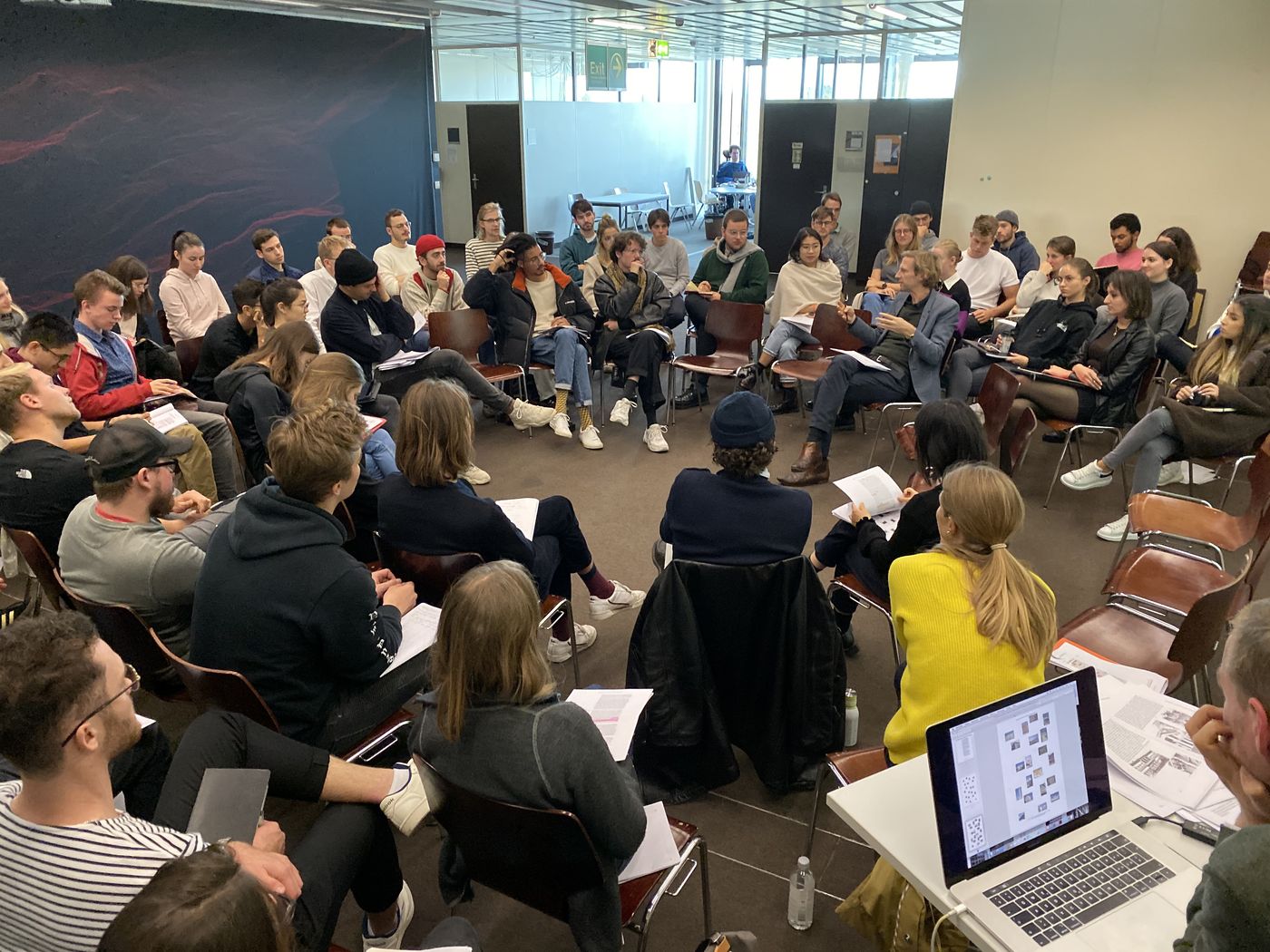
DEC 17, 6.30PM. HIL F41, HÖNGGERBERG, ETHZLECTURE EMANUEL CHRIST: “IN CONVERSATION WITH STUDENTS”
NOV 26, 6PM. HIL E4, HÖNGGERBERG, ETHZ
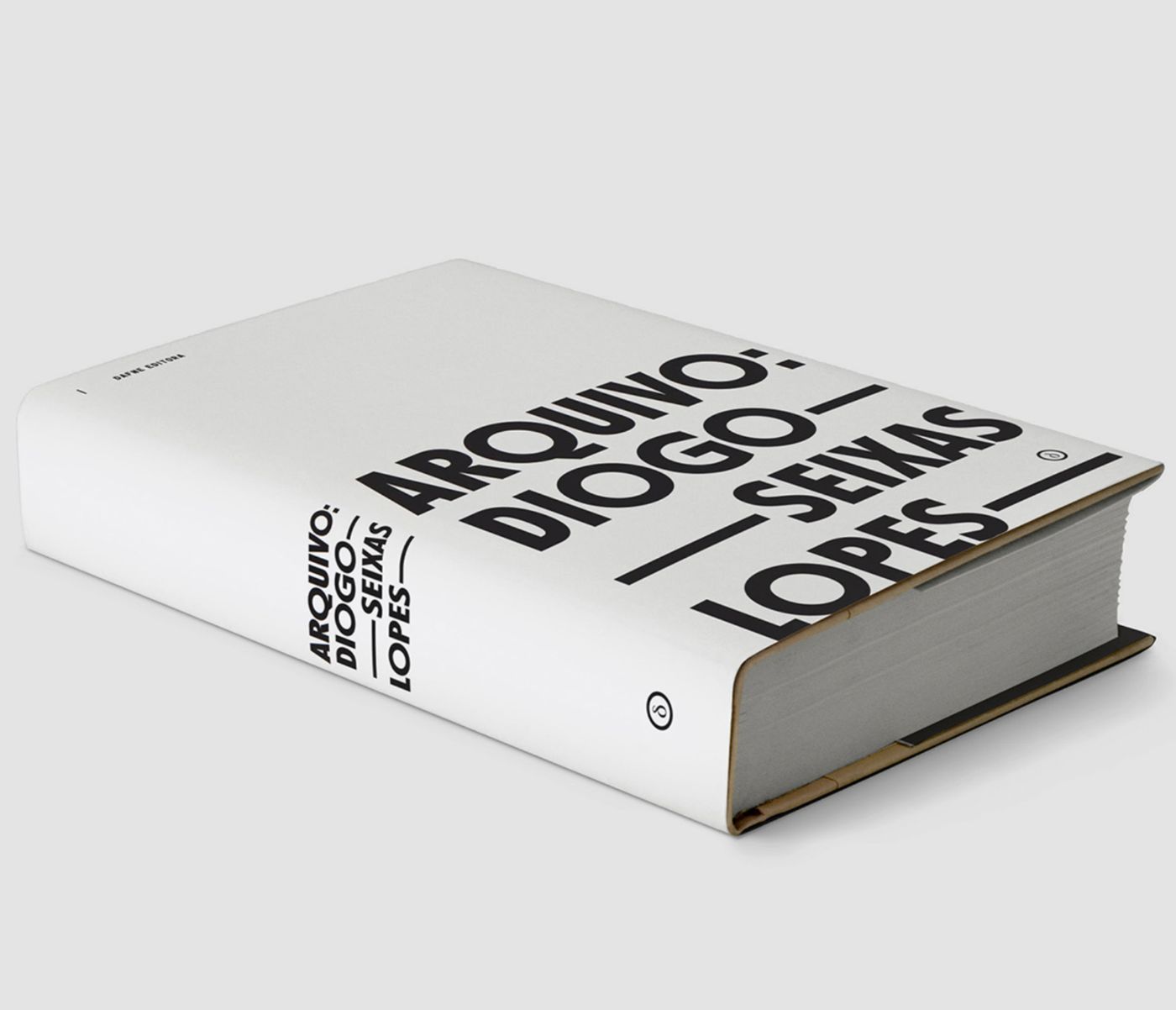
MORE INFORMATIONBOOK LAUNCH “ARQUIVO DIOGO SEIXAS LOPES”
WITH VICTORIA EASTON & CHRISTOPH GANTENBEIN
NOV 22, 7PM. SPIEGELGASSE 18, ZURICH
NEVER STOP READINGSTUDIO REVIEW “TYPE”
NOV 19 – 20. HIL F41. HÖNGGERBERG, ETHZ
MORE INFORMATIONLECTURE EMANUEL CHRIST
NOV 19, 7PM. THE GREAT HALL, THE COOPER UNION
THE ARCHITECTURAL LEAGUE OF NEW YORK
MORE INFORMATIONLECTURE EMANUEL CHRIST
NOV 18, 6.30PM, COLUMBIA UNIVERSITY, NEW YORK CITY
COLUMBIA GSAPP
MORE INFORMATION© HERZOG & DE MEURON ALL RIGHTS RESERVED
LECTURE CHRISTOPH GANTENBEIN: “GEBAUTE NATUR”
NOV 6, 8.15AM. HIL E4, HÖNGGERBERG, ETHZ
MORE INFORMATION© ALEJANDRO DE LA SOTA ALL RIGHTS RESERVED
LECTURE CHRISTOPH GANTENBEIN: “NO HACER ARQUITECTURA”
OCT 30, 8.15AM. HIL E4 HÖNGGERBERG, ETHZ
MORE INFORMATIONSTUDIO REVIEW “BODY”
OCT 29 – 30. HIL F41, HÖNGGERBERG, ETHZ
MORE INFORMATION© ARMIN LINKE ALL RIGHTS RESERVED
LECTURE CHRISTOPH GANTENBEIN: “JENSEITS DER KONSTRUKTION”
OCT 16, 8.15AM. HIL E4, HÖNGGERBERG, ETHZ
MORE INFORMATIONSTUDIO REVIEW “PORTRAIT”
OCT 8. HIL F41, HÖNGGERBERG, ETHZ
MORE INFORMATIONEXHIBITIONS CHRIST & GANTENBEIN: “ECONOMY OF MEANS” & “WHAT IS ORNAMENT”
OCT 10 – DEC 12. LISBON ARCHITECTURE TRIENNALE
MORE INFORMATIONSTUDIO TRIP CHRIST & GANTENBEIN: GENOVA
SEPT 23 – 25. DESIGN STUDIO FALL 19, “FROM STRADA NUOVA”
MORE INFORMATIONLECTURE VALTER SCELSI: “UNVARNISHED QUEEN”
SEPT 18, 10AM. HIL F41, HÖNGGERBERG, ETHZ
DESIGN STUDIO FALL 19, “FROM STRADA NUOVA”
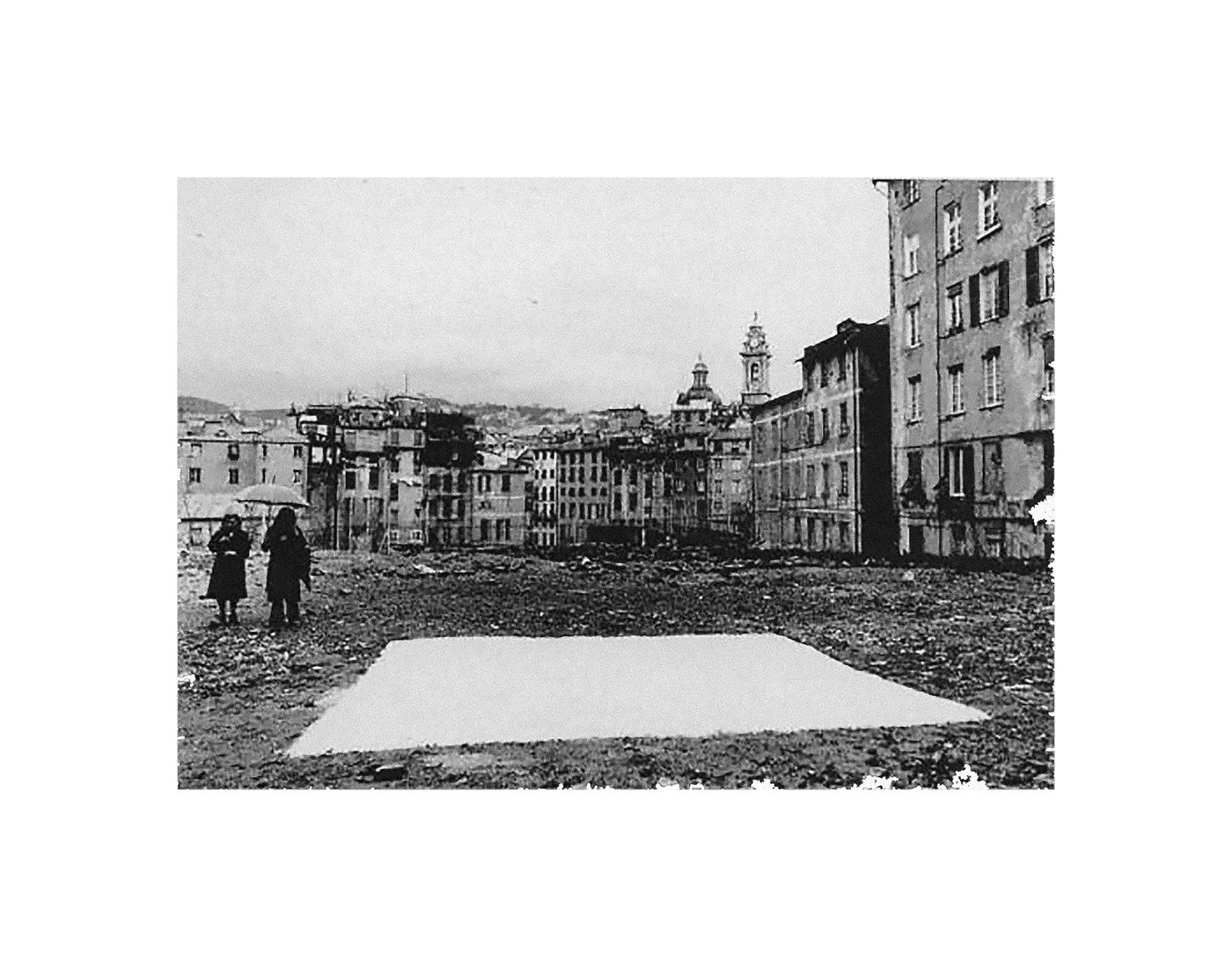
(IMAGE: MARIA NORDMAN, GENOVA, 1976)EXHIBITION CHRIST & GANTENBEIN: “ALTERNATIVE HISTORIES”
SEPT 7 – 29. THE CIVA, BRUSSELS
MORE INFORMATIONLECTURE CHRIST & GANTENBEIN: “TYPOLOGY”
JUNE 11, 1:30PM
ECOLE D’ARCHITECTURE DE MARNE-LA-VALLÉE, PARISLECTURE EMANUEL CHRIST
JUNE 5, 7.30PM. SOMMER GALLERY, TEL AVIV
JUNE 6, 1:30PM, TECHNION, HAIFAFINAL REVIEW “REAL ARCHITECTURE”
WITH ANNE-JULCHEN BERNHARDT, MIA HÄGG AND ÉRIC LAPIERRE
MAY 28 – 29, 9 PM, ETH HÖNGGERBERG, ZURICH, HIL F41.4LECTURE EMANUEL CHRIST: “EX-LIBRIS”
DISCUSSION WITH PHILIP URSPRUNG
MAY 23, 7PM, UAA UNGERS ARCHIV FÜR ARCHITEKTUR¬WISSENSCHAFT, COLOGNE
MORE INFORMATIONDESIGN STUDIO
FROM STRADA NUOVA
topic 1
LOREM IPSUM DOLOR SIT AMET
Lorem ipsum dolor sit amet, consectetur adipiscing elit. Aliquam in nisi sed orci pharetra elementum a laoreet erat. Fusce facilisis nisi eu elit tempor, eu eleifend lorem commodo. Orci varius natoque penatibus et magnis dis parturient montes, nascetur ridiculus mus. Phasellus scelerisque urna ipsum, vulputate aliquet dolor dictum ac. Pellentesque non purus ex. Sed nec consequat quam, et sollicitudin erat. Sed eget ligula gravida, sagittis felis at, convallis nibh. In lorem purus, euismod et placerat in, eleifend nec tortor. Vivamus malesuada tempor magna, fringilla lobortis quam. Praesent ac orci vitae felis pretium feugiat. Donec vitae pretium odio. Aenean ut varius orci, at mollis magna. Morbi magna eros, rutrum vel est sit amet, luctus pharetra lacus. Sed sapien turpis, porta nec dignissim nec, viverra vel sem. Cras malesuada eleifend suscipit.
Donec euismod dui magna, sit amet aliquam felis tempor quis. Quisque finibus purus quam, vitae fringilla urna convallis in. Nam eget aliquam nulla, ut maximus turpis. In vel elementum purus, ac suscipit erat. Praesent feugiat quis ligula sit amet scelerisque. Donec vestibulum, tortor sit amet cursus feugiat, augue orci condimentum nunc, sed fringilla eros lacus ut metus. Quisque commodo velit eu volutpat venenatis. Vivamus sed maximus risus, ut mattis urna. Pellentesque ultrices lacus vel lacus convallis luctus. Etiam tortor metus, fringilla sed lectus ut, lacinia gravida ex. Vivamus quis laoreet libero. Fusce eu mollis magna.
Aliquam congue lacinia pretium. Vivamus at turpis luctus, vehicula nisi ornare, volutpat velit. Quisque laoreet euismod dapibus. Pellentesque habitant morbi tristique senectus et netus et malesuada fames ac turpis egestas. Mauris scelerisque lacus sed consectetur viverra. Nullam a fermentum lorem. Pellentesque auctor vestibulum molestie. Ut mollis euismod imperdiet.
In suscipit sem eget sem hendrerit, pellentesque convallis turpis condimentum. Pellentesque condimentum elementum quam, rutrum volutpat tellus mattis nec. Phasellus accumsan, felis id sagittis tempus, velit libero egestas arcu, vitae accumsan massa lorem at neque. Nulla placerat imperdiet risus eget sagittis. Morbi tristique, felis ullamcorper tempus tempor, felis erat mattis metus, fermentum ullamcorper augue libero vestibulum dui. Proin commodo eros at ex euismod dapibus. In sit amet semper nulla. Vivamus rhoncus velit diam, in interdum ipsum porttitor ut. Donec fermentum libero lectus, at scelerisque quam congue eget. In dolor dolor, sollicitudin id mauris suscipit, congue blandit justo. Nunc vel bibendum mauris.
Duis quis commodo ligula. Quisque fermentum ut arcu ut malesuada. Nullam vestibulum mi ac justo gravida malesuada. Orci varius natoque penatibus et magnis dis parturient montes, nascetur ridiculus mus. Etiam eget commodo nunc. Lorem ipsum dolor sit amet, consectetur adipiscing elit. Nullam sit amet est nulla. Nullam vel pretium elit. Nulla scelerisque consequat diam, a congue ex semper eu. Aliquam feugiat enim eget ex venenatis cursus. Pellentesque non enim non velit cursus placerat. Suspendisse ornare enim vel posuere fermentum. Donec iaculis varius nibh, sit amet efficitur nisl volutpat non. Vestibulum ante ipsum primis in faucibus orci luctus et ultrices posuere cubilia Curae;
topic 2
LOREM IPSUM DOLOR SIT AMET
Lorem ipsum dolor sit amet, consectetur adipiscing elit. Aliquam in nisi sed orci pharetra elementum a laoreet erat. Fusce facilisis nisi eu elit tempor, eu eleifend lorem commodo. Orci varius natoque penatibus et magnis dis parturient montes, nascetur ridiculus mus. Phasellus scelerisque urna ipsum, vulputate aliquet dolor dictum ac. Pellentesque non purus ex. Sed nec consequat quam, et sollicitudin erat. Sed eget ligula gravida, sagittis felis at, convallis nibh. In lorem purus, euismod et placerat in, eleifend nec tortor. Vivamus malesuada tempor magna, fringilla lobortis quam. Praesent ac orci vitae felis pretium feugiat. Donec vitae pretium odio. Aenean ut varius orci, at mollis magna. Morbi magna eros, rutrum vel est sit amet, luctus pharetra lacus. Sed sapien turpis, porta nec dignissim nec, viverra vel sem. Cras malesuada eleifend suscipit.
Donec euismod dui magna, sit amet aliquam felis tempor quis. Quisque finibus purus quam, vitae fringilla urna convallis in. Nam eget aliquam nulla, ut maximus turpis. In vel elementum purus, ac suscipit erat. Praesent feugiat quis ligula sit amet scelerisque. Donec vestibulum, tortor sit amet cursus feugiat, augue orci condimentum nunc, sed fringilla eros lacus ut metus. Quisque commodo velit eu volutpat venenatis. Vivamus sed maximus risus, ut mattis urna. Pellentesque ultrices lacus vel lacus convallis luctus. Etiam tortor metus, fringilla sed lectus ut, lacinia gravida ex. Vivamus quis laoreet libero. Fusce eu mollis magna.
Aliquam congue lacinia pretium. Vivamus at turpis luctus, vehicula nisi ornare, volutpat velit. Quisque laoreet euismod dapibus. Pellentesque habitant morbi tristique senectus et netus et malesuada fames ac turpis egestas. Mauris scelerisque lacus sed consectetur viverra. Nullam a fermentum lorem. Pellentesque auctor vestibulum molestie. Ut mollis euismod imperdiet.
In suscipit sem eget sem hendrerit, pellentesque convallis turpis condimentum. Pellentesque condimentum elementum quam, rutrum volutpat tellus mattis nec. Phasellus accumsan, felis id sagittis tempus, velit libero egestas arcu, vitae accumsan massa lorem at neque. Nulla placerat imperdiet risus eget sagittis. Morbi tristique, felis ullamcorper tempus tempor, felis erat mattis metus, fermentum ullamcorper augue libero vestibulum dui. Proin commodo eros at ex euismod dapibus. In sit amet semper nulla. Vivamus rhoncus velit diam, in interdum ipsum porttitor ut. Donec fermentum libero lectus, at scelerisque quam congue eget. In dolor dolor, sollicitudin id mauris suscipit, congue blandit justo. Nunc vel bibendum mauris.
Duis quis commodo ligula. Quisque fermentum ut arcu ut malesuada. Nullam vestibulum mi ac justo gravida malesuada. Orci varius natoque penatibus et magnis dis parturient montes, nascetur ridiculus mus. Etiam eget commodo nunc. Lorem ipsum dolor sit amet, consectetur adipiscing elit. Nullam sit amet est nulla. Nullam vel pretium elit. Nulla scelerisque consequat diam, a congue ex semper eu. Aliquam feugiat enim eget ex venenatis cursus. Pellentesque non enim non velit cursus placerat. Suspendisse ornare enim vel posuere fermentum. Donec iaculis varius nibh, sit amet efficitur nisl volutpat non. Vestibulum ante ipsum primis in faucibus orci luctus et ultrices posuere cubilia Curae;
FROM STRADA NUOVA

FROM STRADA NUOVA
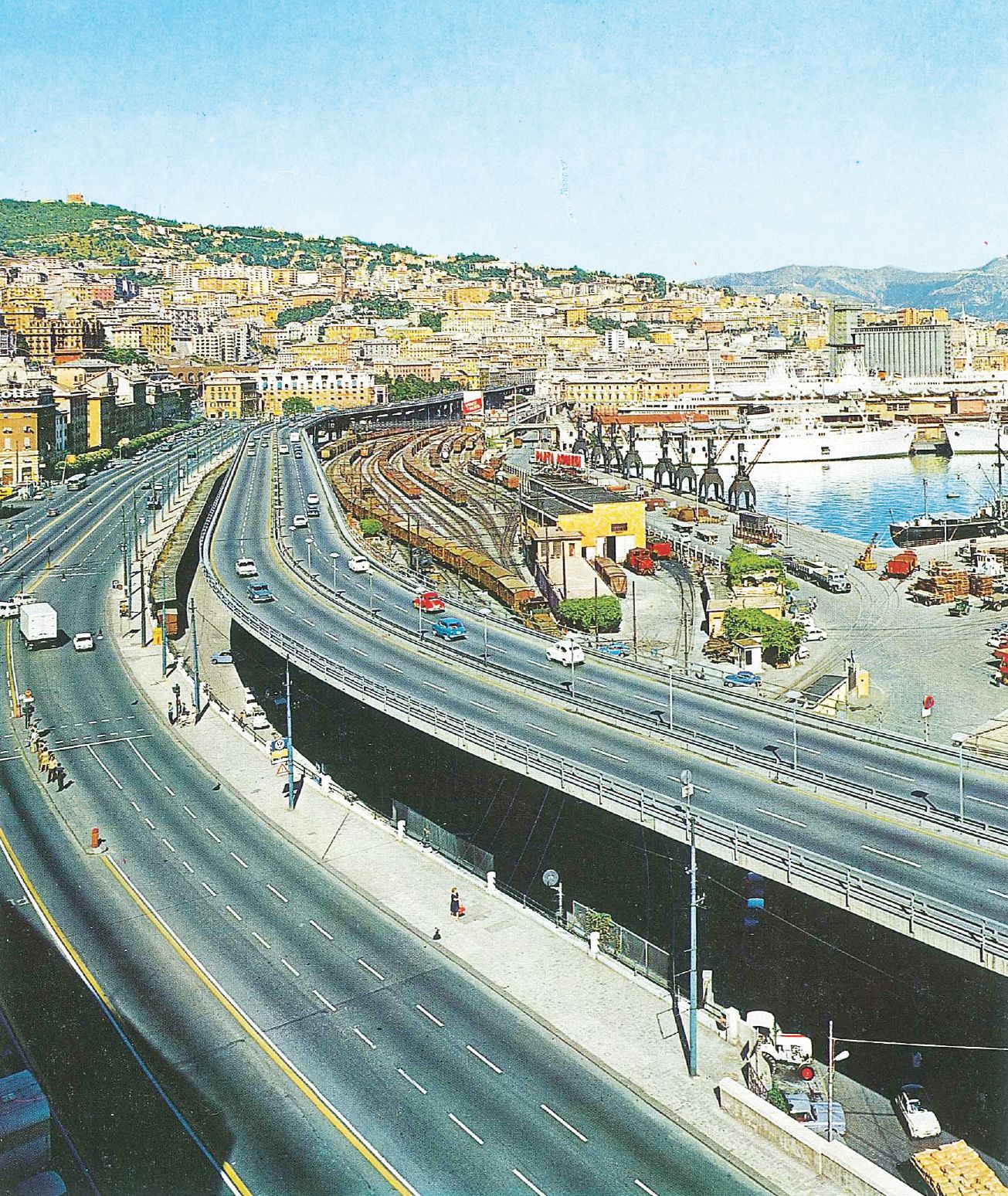
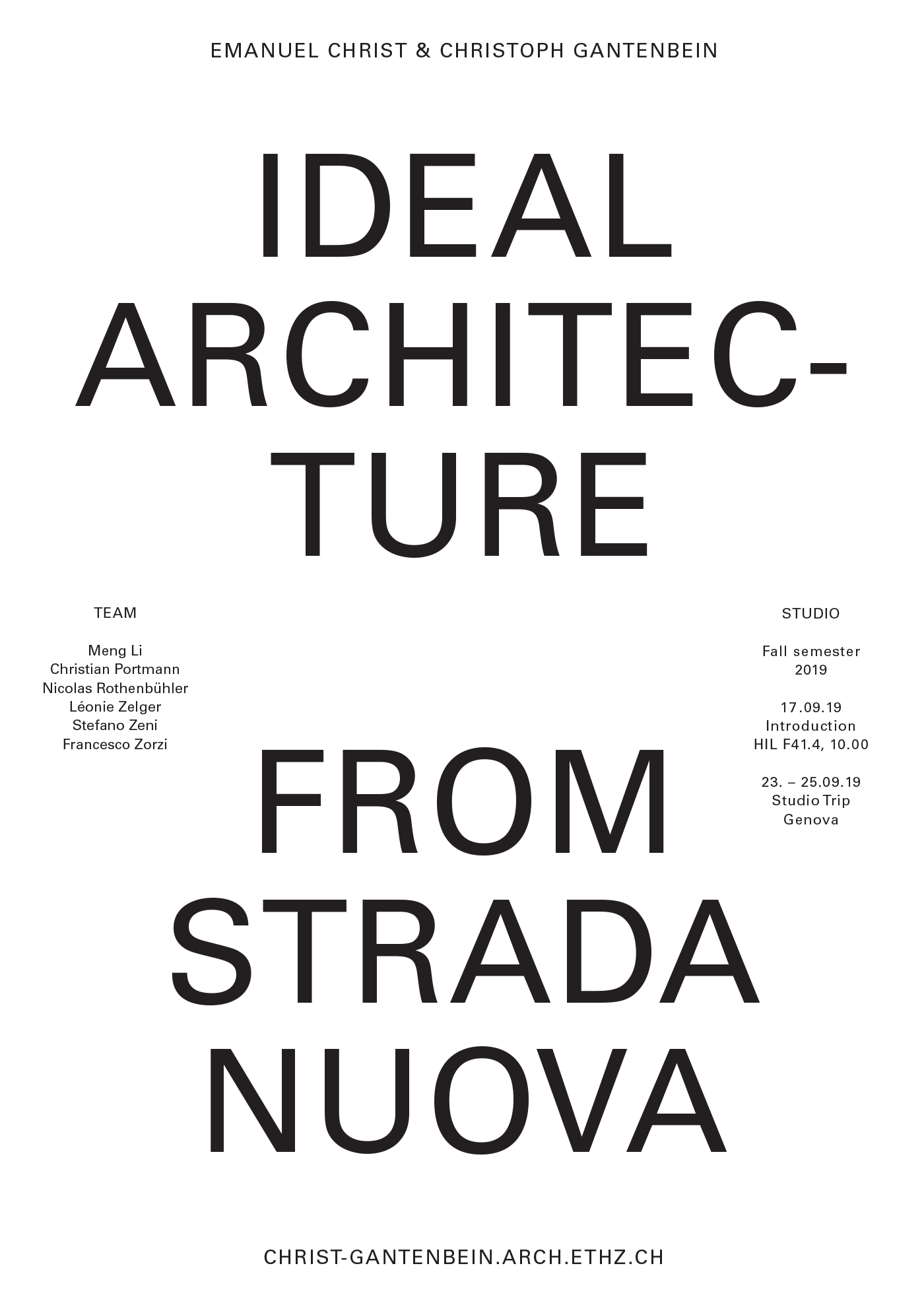
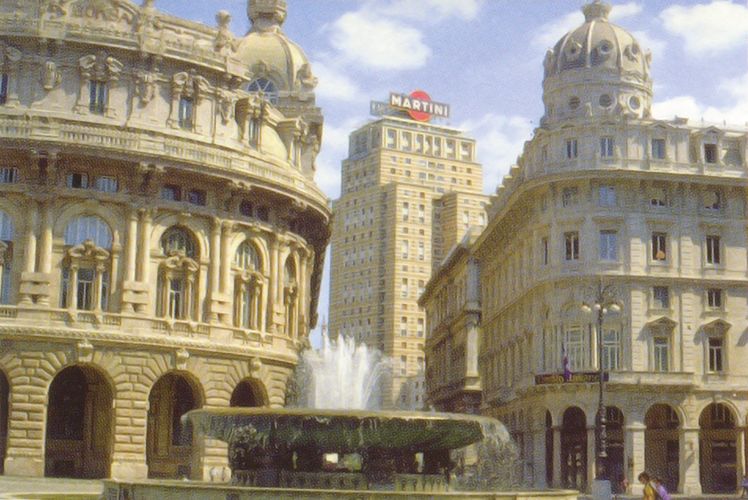
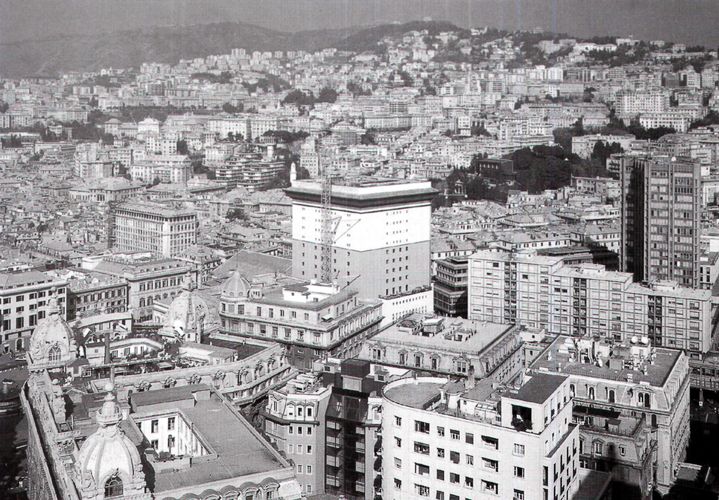
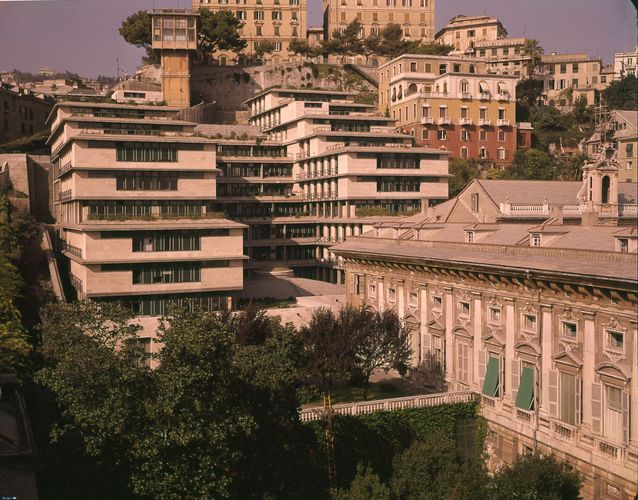
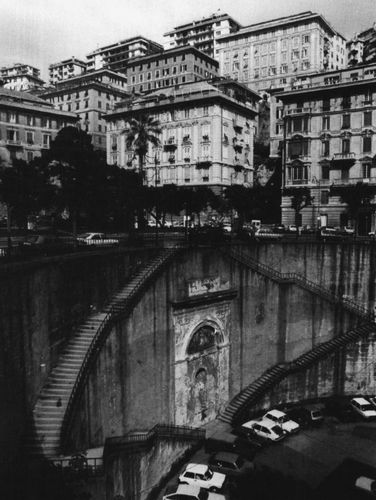
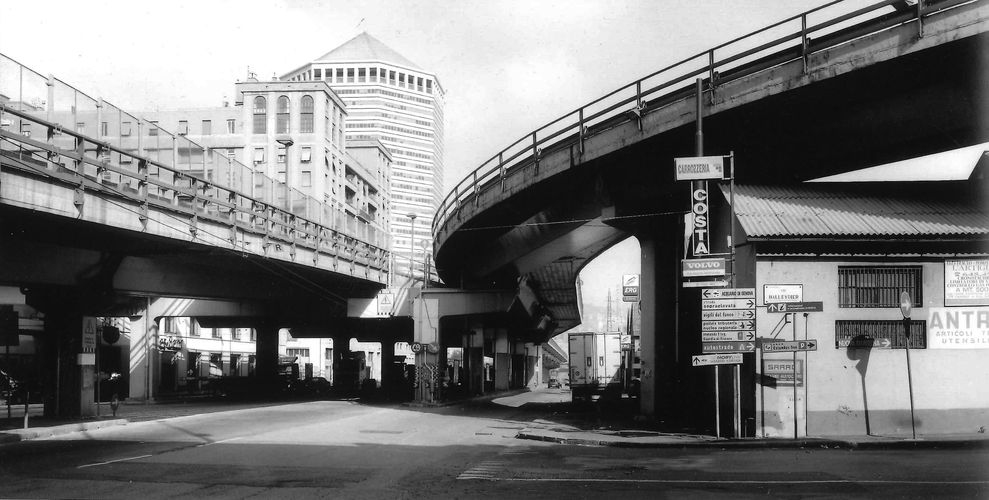
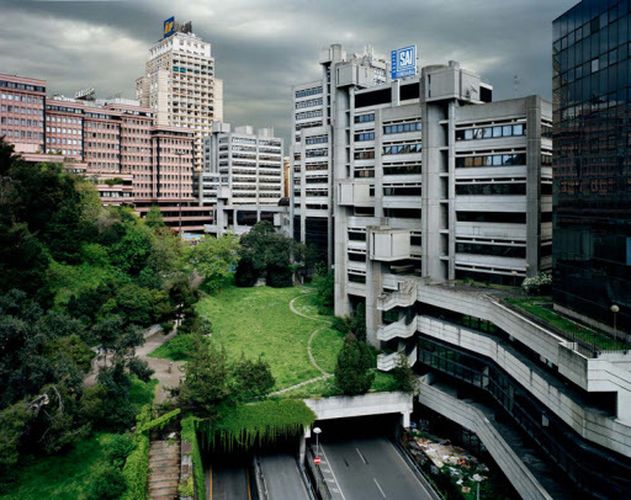
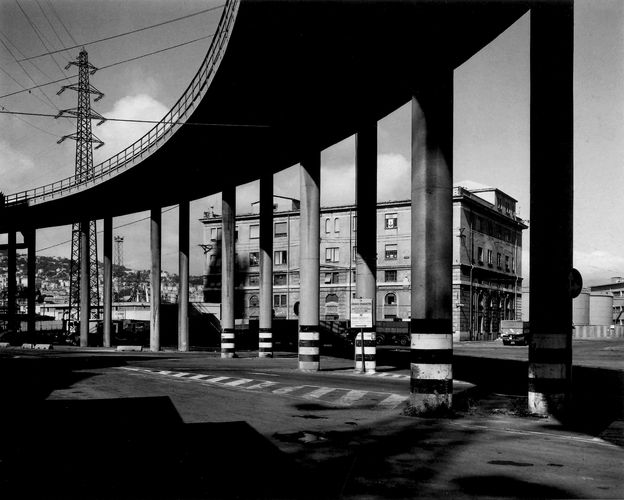
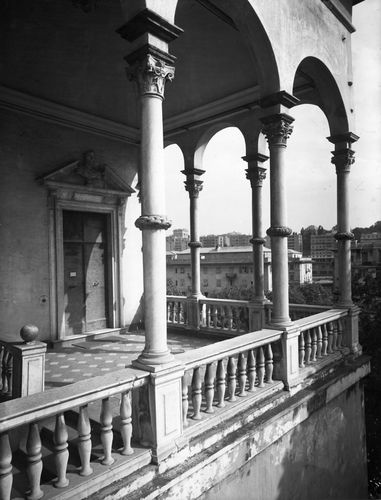
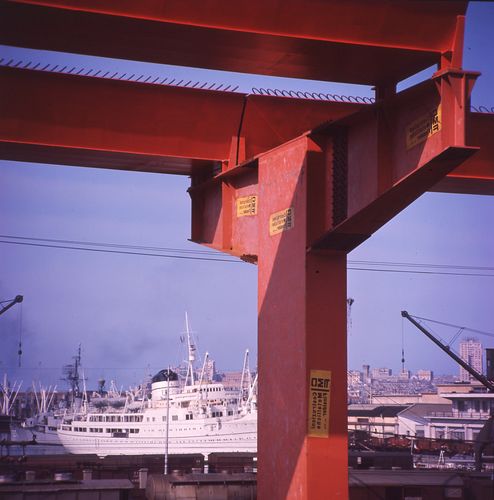
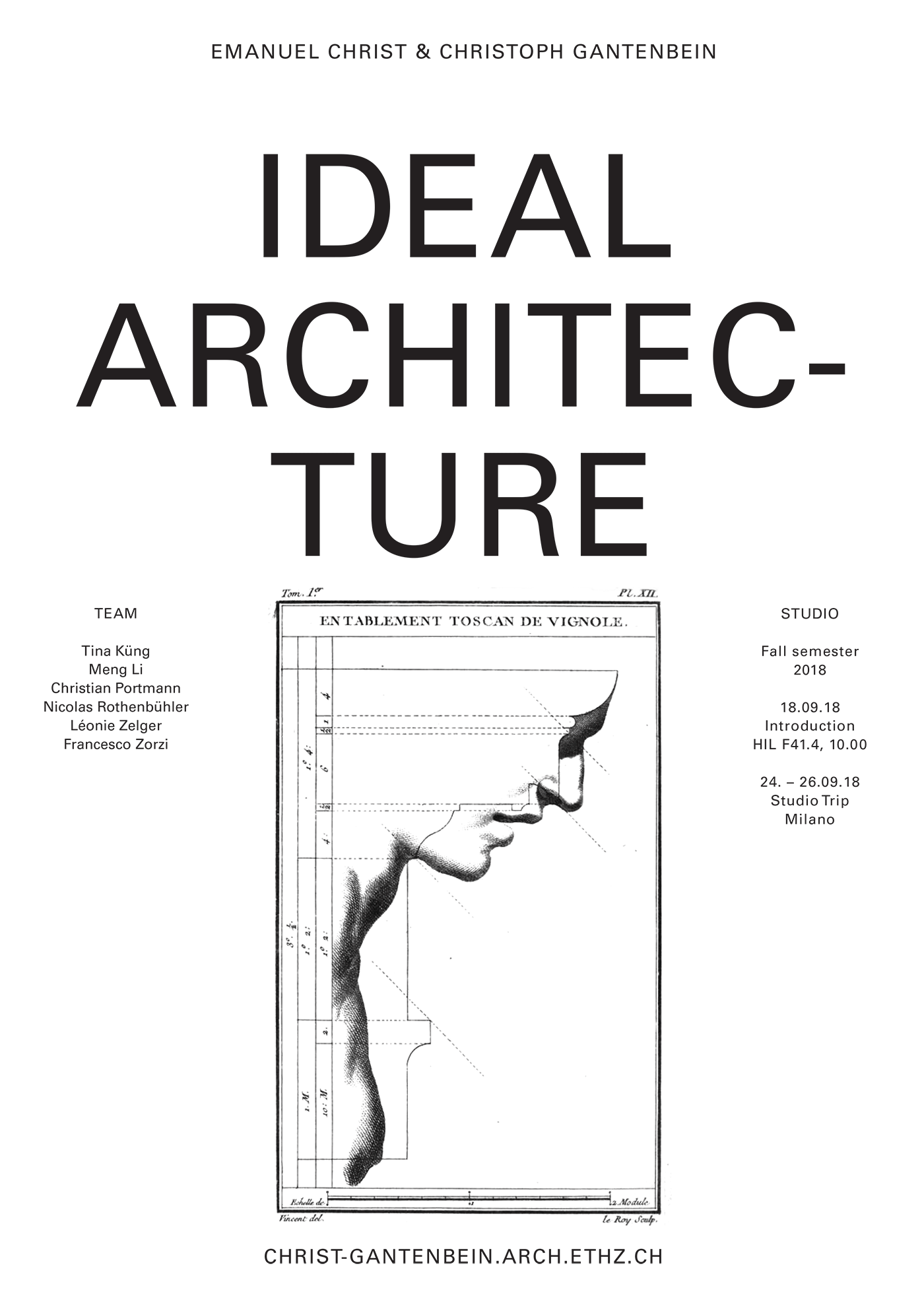
We start the semester with a three-day excursion to Genoa, where we will study the basic principles of a timeless, urban architecture on the basis of selected buildings. Genoa is a dense and varied port city with spectacular waterfront infrastructure and buildings high up in the steep hills above the sea. Genoa is also the city of the famous “Strada Nuova”, a Renaissance and Baroque street that is still praised today as an ideal of urban architecture.
This is where we begin our common journey of discovery, open and experimental, but also analytical and critical. The design process will follow three steps: First the documentation of the Genoese example, then the formulation of architectural principles and finally, building on these principles, a new design, the project for an ideal architecture. It is not about a place or a concrete program, but about the essence of the architectural form: body, space, type, structure and material.
Finding his or her own architectural language is the most important but also most difficult task for an architect. Because the lack of architectural vocabulary – or images, forms, structures and principles – leaves the architect speechless. This language, this repertoire of architectural forms and principles is what our studio is all about: All students develop their repertoire during the course of the semester to figure out their own notion of an ideal architecture. But ideal doesn’t only mean beautiful, perfect and aspirational, but also and foremost “based on an idea”. The students will develop individual architecture-ideas, which shall always be available and newly applicable while designing.
This process will be facilitated by references and examples – in this semester from Genoa – because architecture is learnt by studying other buildings and designs and translating them into one’s own images. The first step is to travel, go there and look. Thereby, it is crucial to understand “seeing” as the first creative act. Invention emerges from contemplation. Documenting becomes designing. And so we design new architecture by creatively and critically dealing with the forms which architectural history handed down to us.
STUDIO
Fall semester
201917.09.19
Introduction
HIL F41.4, 10.00
23. – 25.09.19
Studio Trip
GenovaPeter Fischli / David Weiss: Genua (1992)
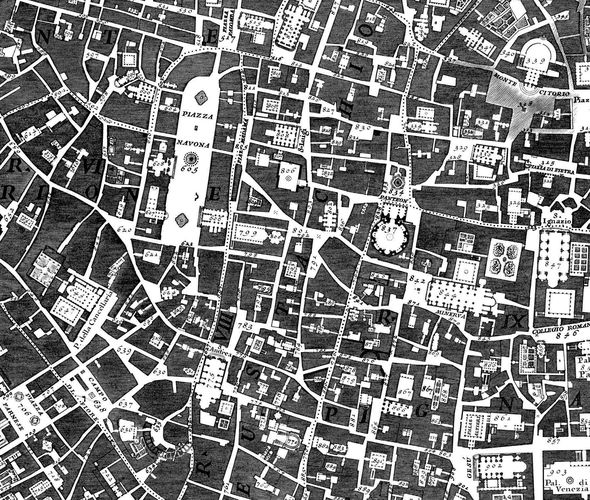
Giovanni Battista Nolli: Topografia di Roma (1748)
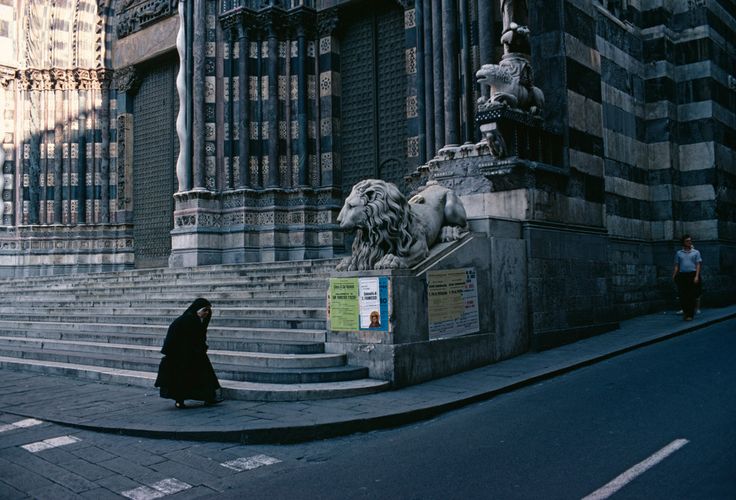
Bruno Barbey: The Cathedral of San Lorenzo, Genoa (1983)
Camillo Sitte: Der Städtebau nach seinen künstlerischen Grundsätzen (1889)
Peter Fischli / David Weiss: Genova (1992)
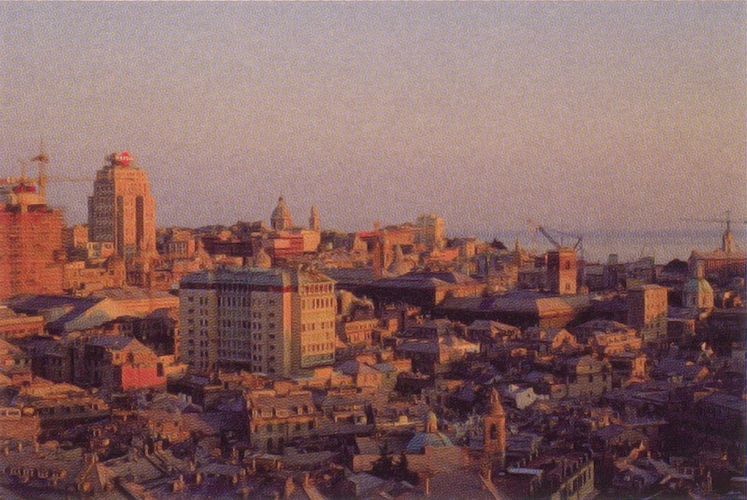
Stefano Topuntoli: Aerial view of Genoa (1990)
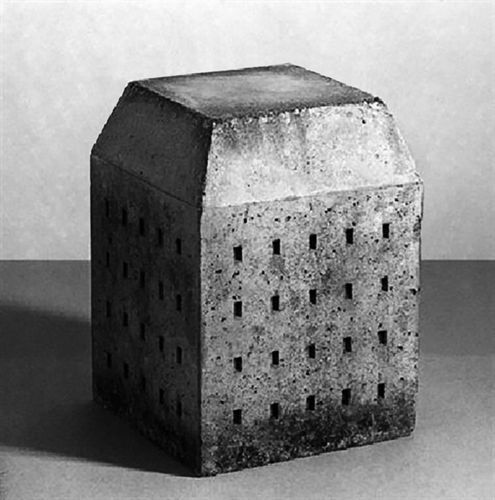
Hubert Kiecol: Haus mit vielen Fenstern (1984)
Johann Nussbiegel: Untersuchungen über den Charakter von Gebäuden (1788)
Paolo Monti: Genova (1964)
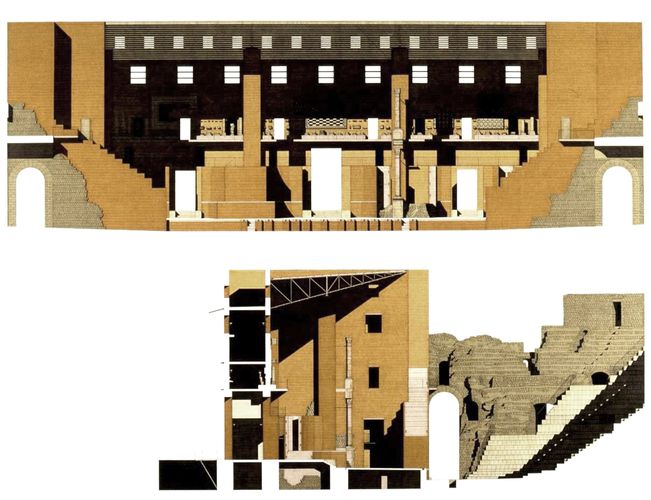
Giorgio Grassi: Theater of Sagunto (1985)
Roberto Melai: Stairway Via Pertinace (1988)
Gabriele Basilico: Genova (1985)
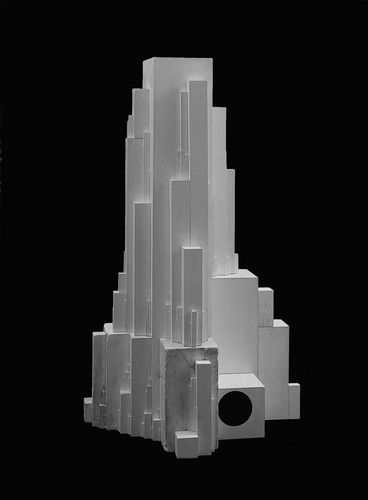
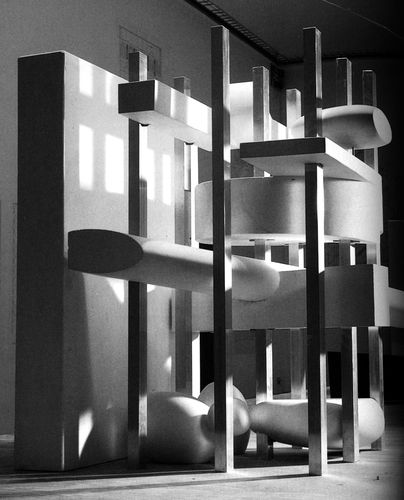
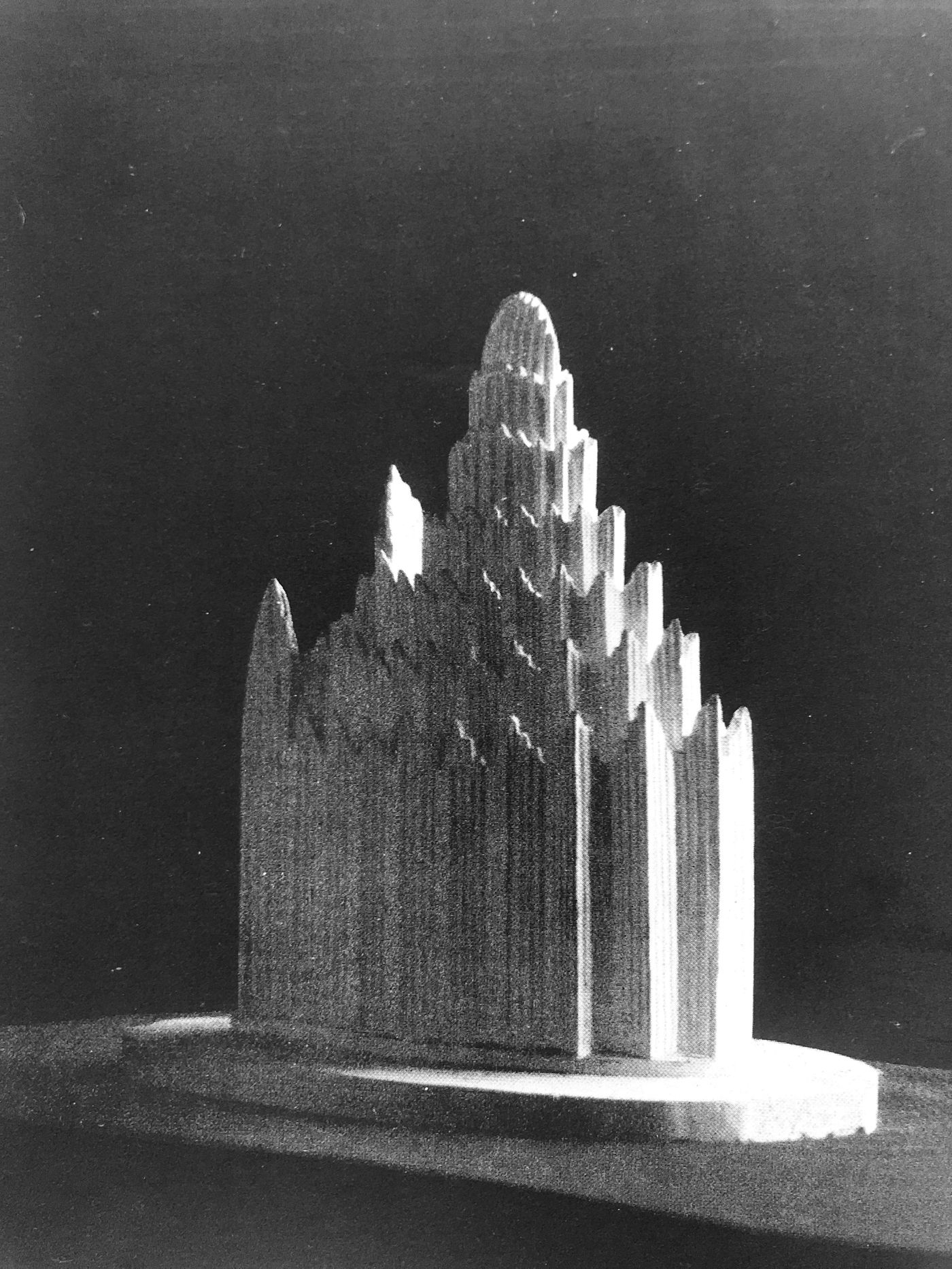
Kazimir Malevich: Arkhitekton Gota (1923)
Stefan Burger: Bildhalde (Genua) (2010)
Arata Isozaki: City Council Tokyo (1986)
Gabriele Basilico: Genova (1985)
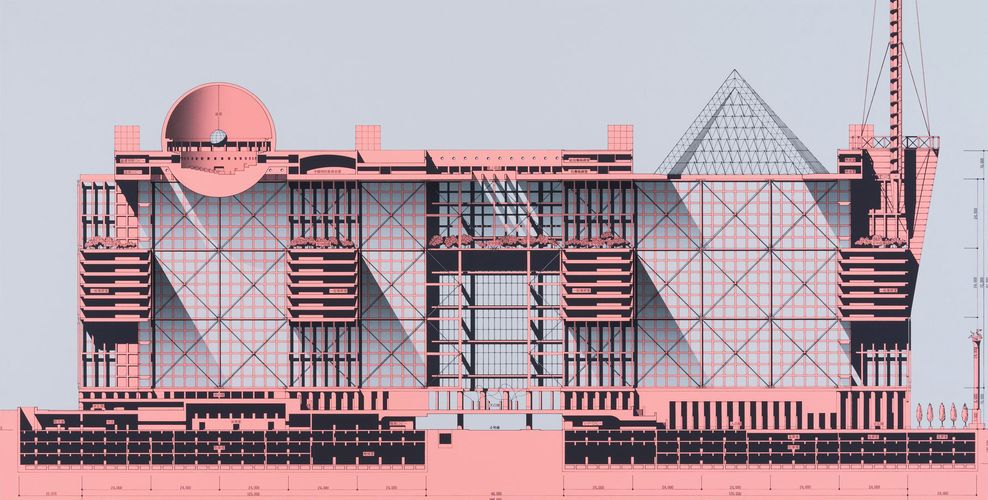
OMA: Très Grande Bibliothèque (1989)
Paolo Monti: Genova (1963)
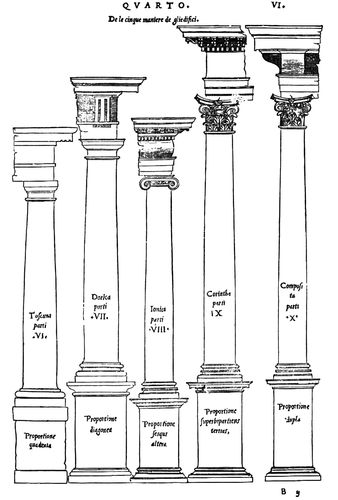
Sebastiano Serlio: Five orders (1537)
Paolo Monti: Genova (1964)
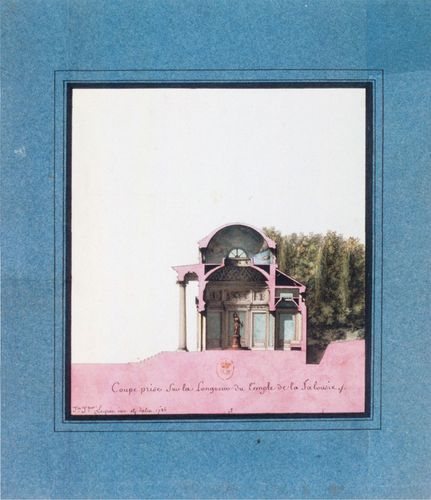
Jean Jacques Lequeu: Coupe prise sur la longeur du Temple de la Jalousie (1786)
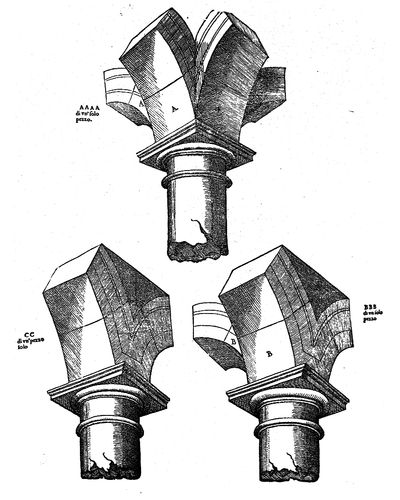
Leon Battista Alberti: De re aedificatora (1550)
Paolo Monti: Genova (1964)
TO MAIN STREET
TO MAIN STREET
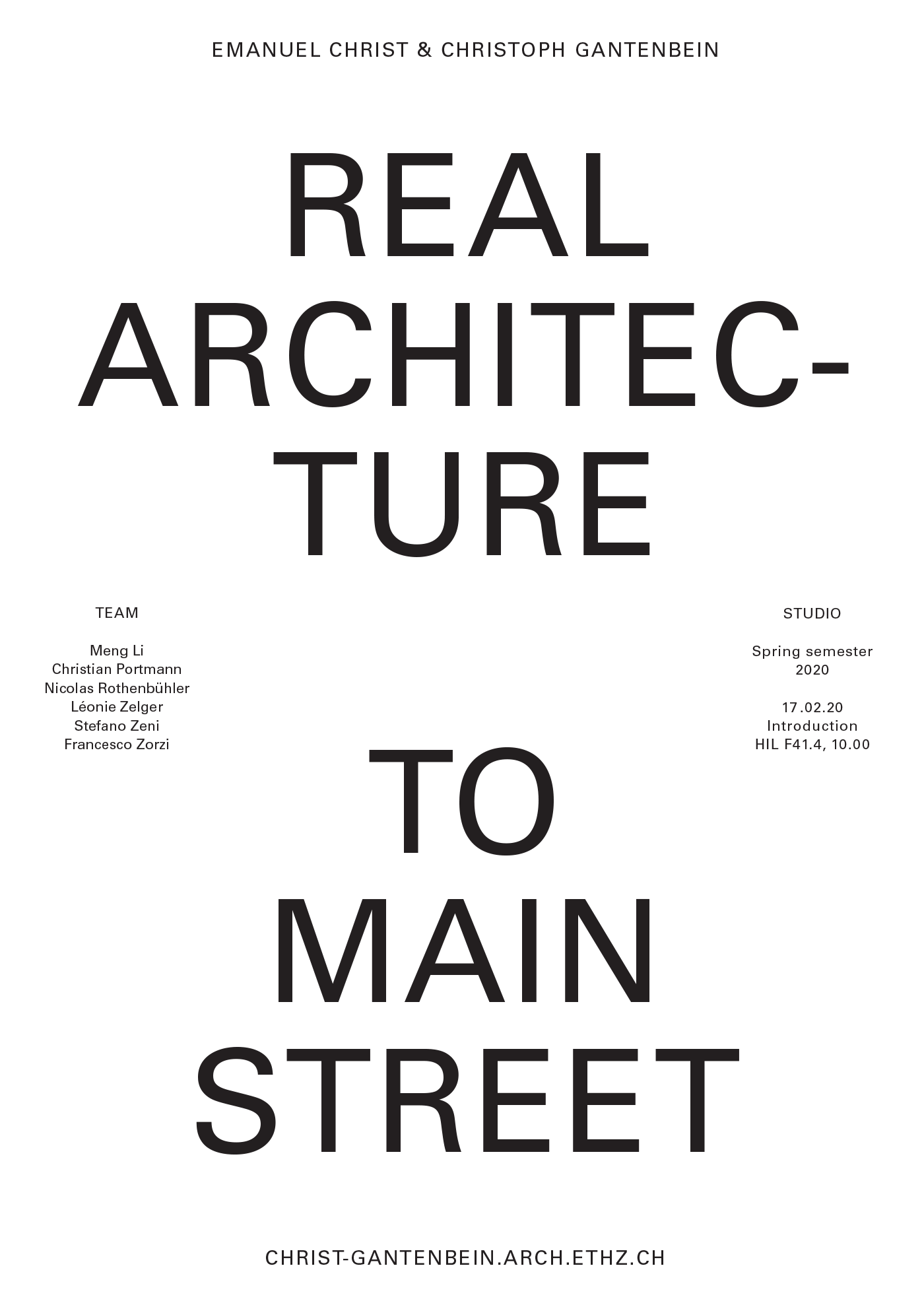
The second semester of our studio is the conceptual counterpart to the first semester: The ideal form without place and time is contrasted with the real project in a real environment in the here and now. The Prachtsstrasse becomes the “Main Street”.
In the context of Basel's inner city, we examine the phenomenon of the shopping streets. The “Main Street“, the paradigm of the street as a place of exchange for civil society, is challenged today. The task is to find a visionary scenario for the contemporary needs of urban life and to create an architectural form for it. In which buildings, in which spaces do we want to shop, live, work, spend our leisure time? All students will design a concrete project, a building for the “Main Street” of the future.“
Real Architecture” studio methodically refers to “Ideal Architecture” studio: the principles are adopted from the first semester and further developed in order to be linked with the specific aspects of site and function. The abstract idea of architectural form is thus translated into a concrete and specific phrasing. And here in its concrete use, form will gain its social, economical as well as political relevance. And the ideal should become real.
STUDIO
Spring semester
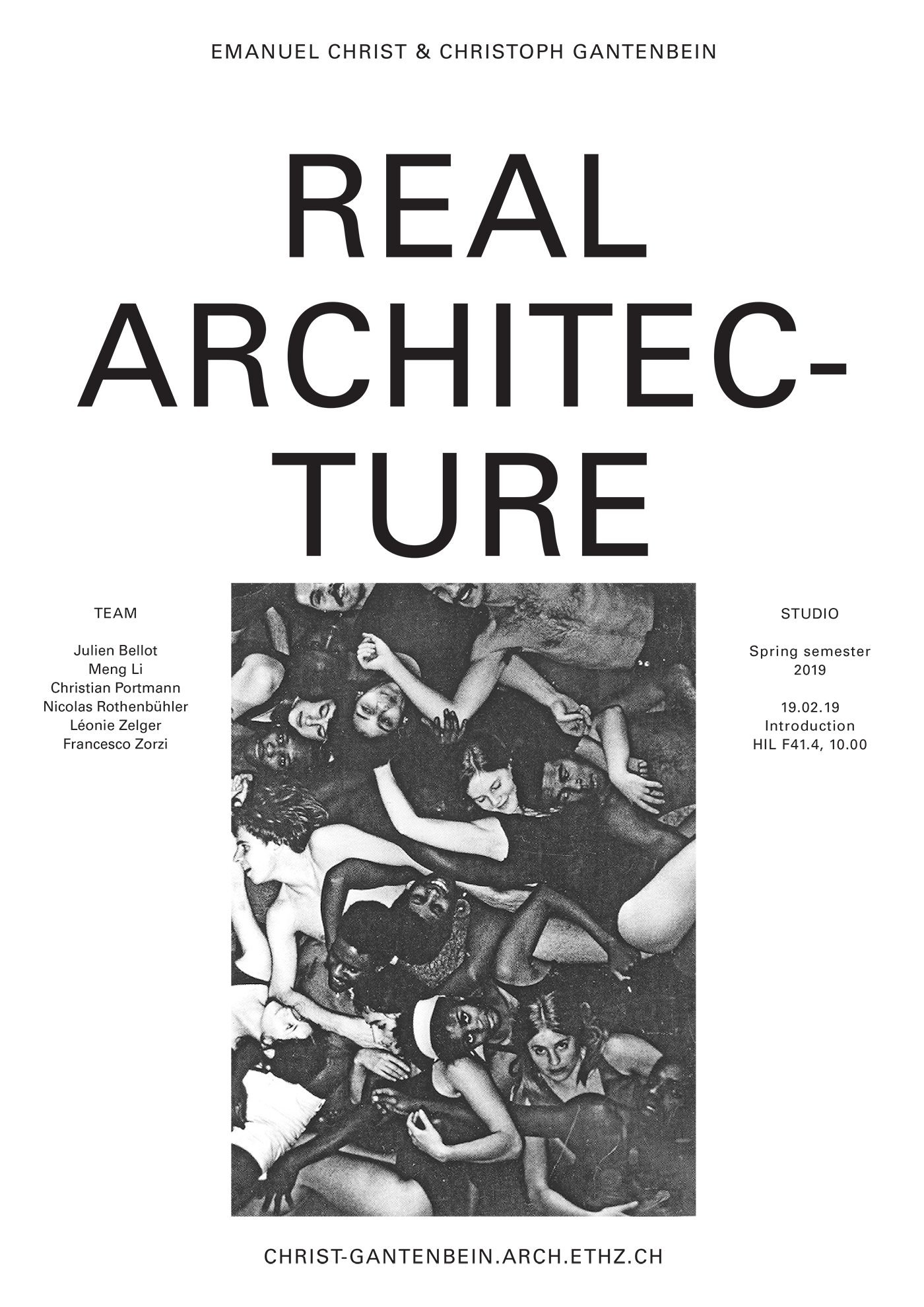
202017.02.19
Introduction
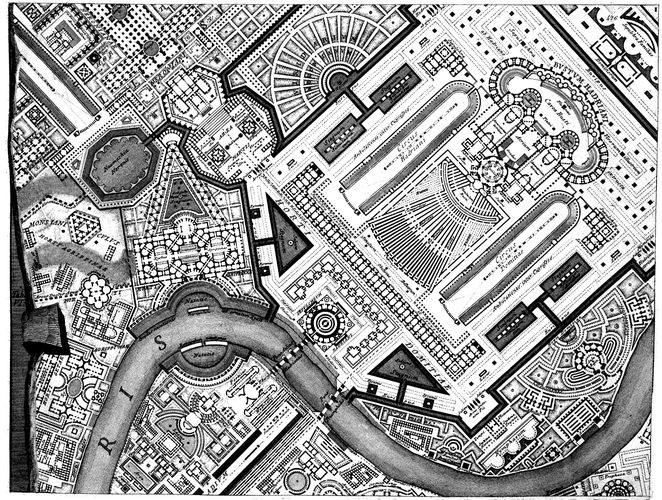
HIL F41.4, 10.00Giovanni Battista Piranesi: Campo Marzio (1762)
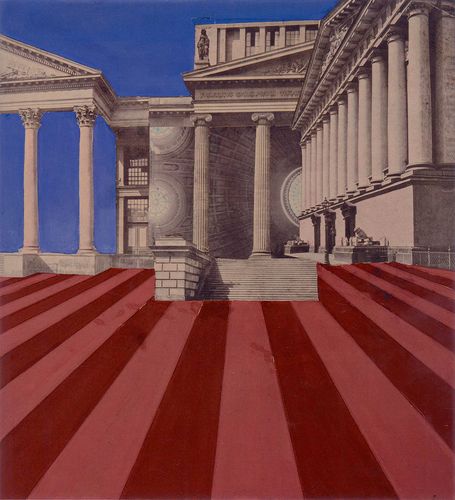
Xanti Schawinsky: Untitled (1926)
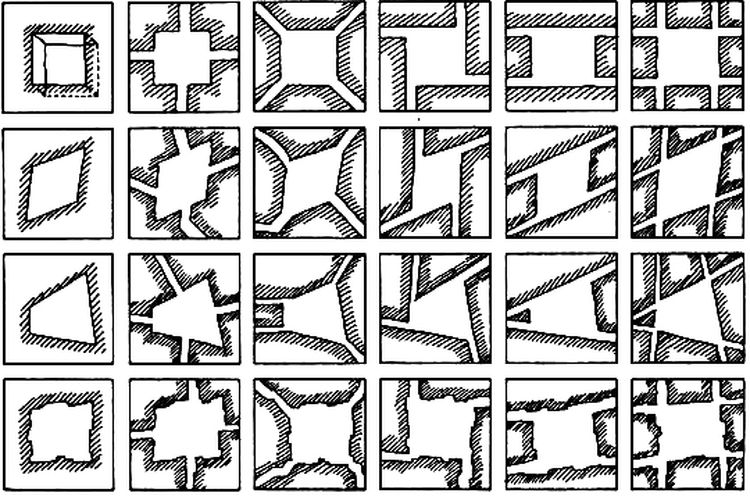
Robert Krier: Morphological Series of Urban Spaces (1979)
Arata Isozaki: Tsukuba Center Building (1985)
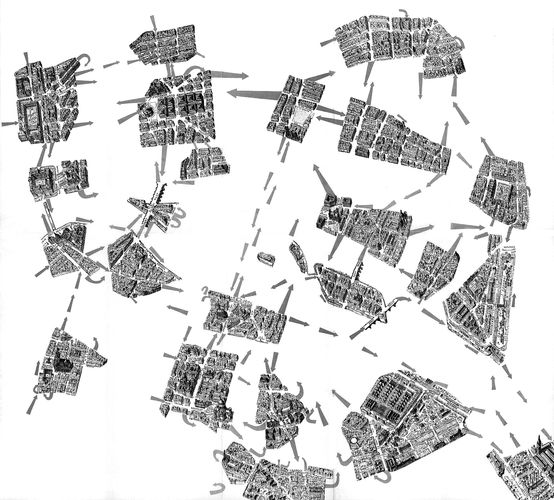
Guy Debord: Plans psychogéographiques de Paris (1957)
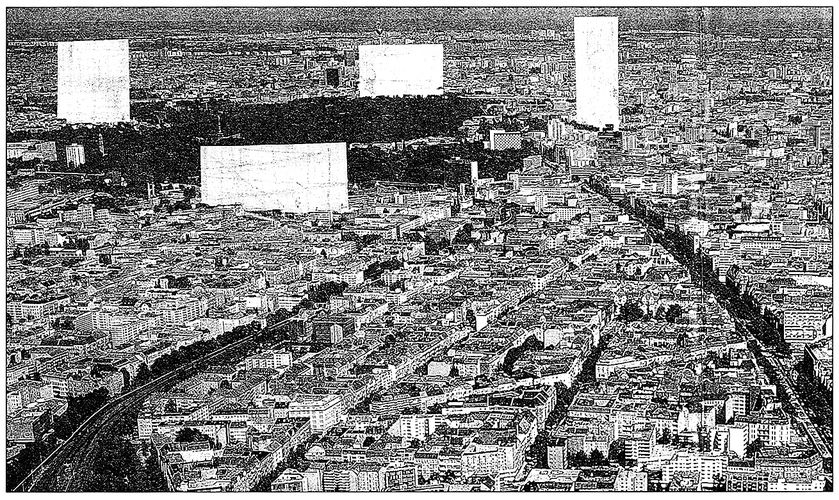
Jacques Herzog, Pierre de Meuron, Rémy Zaugg: Berlin Zentrum (1988)
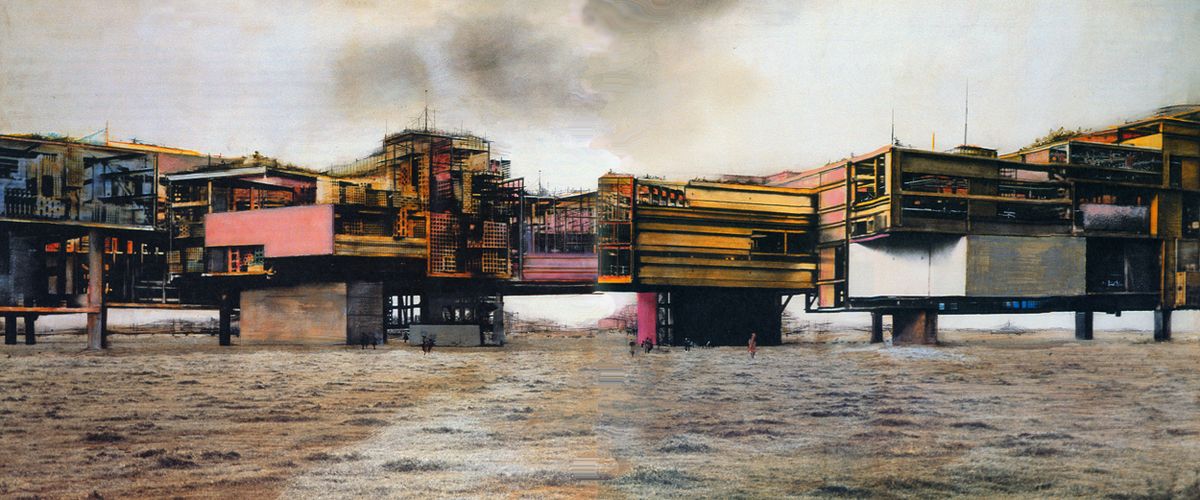
Constant: New Babylon (1956 – 74)
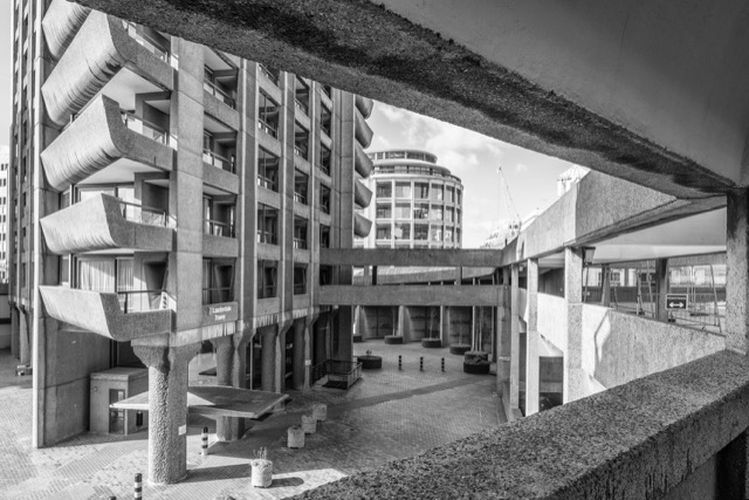
Chamberlin, Powell and Bon: Barbican Estate (1983)
Lienhard Lötscher: Klybeck-Nord und Kleinhüningen als Lebensraum (1984)
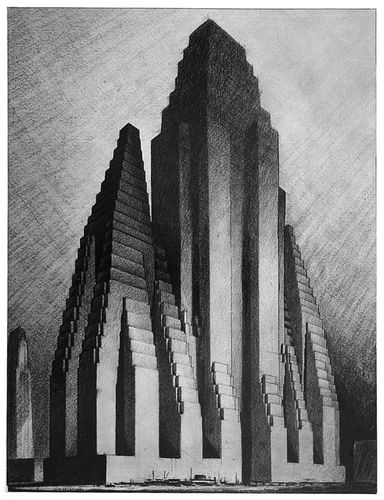
Hugh Ferris: Metropolis of Tomorrow (1929)
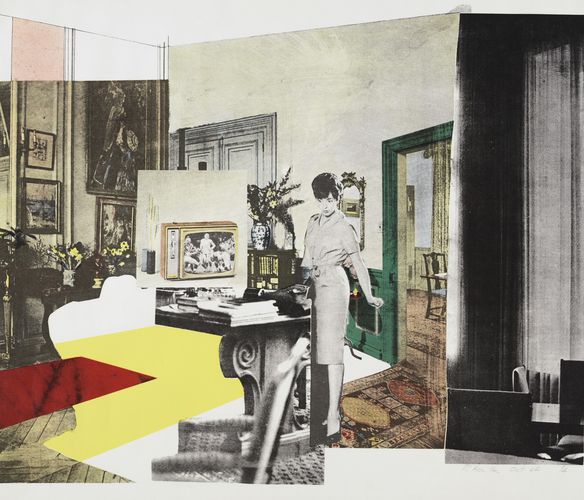
Richard Hamilton: Interior (1964)
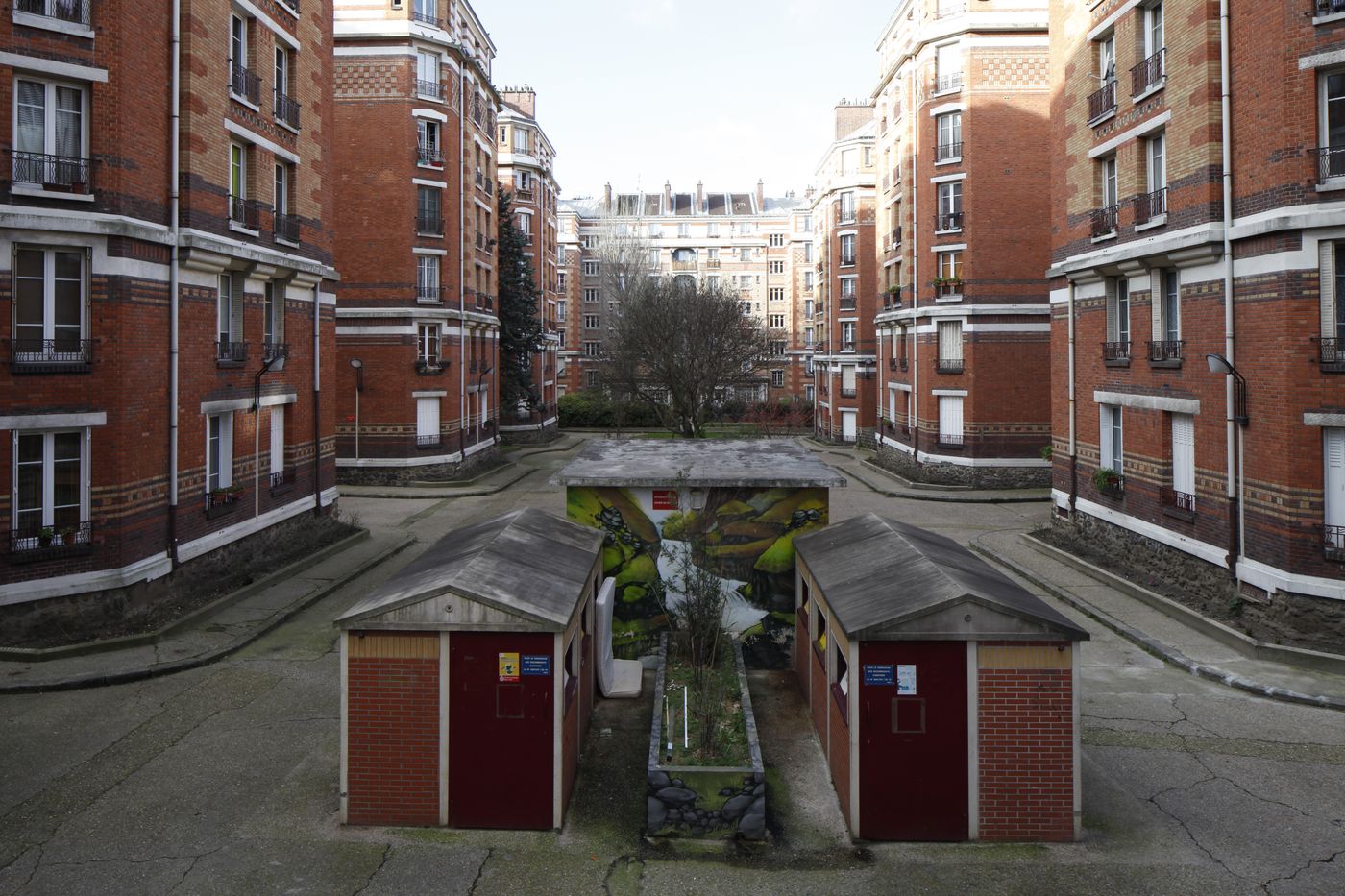
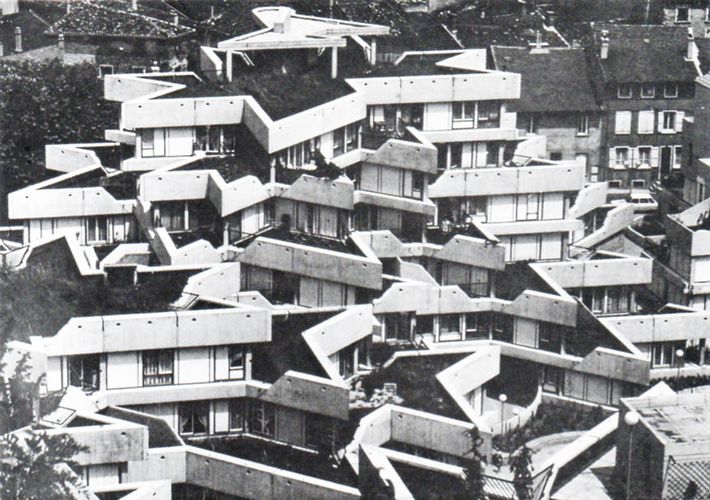
Renée Gailhoustet, Jean Renaudie: Ivry sur Seine (1969 – 75)
Mies van der Rohe: Skyscraper Berlin Friedrichstrasse (1921)
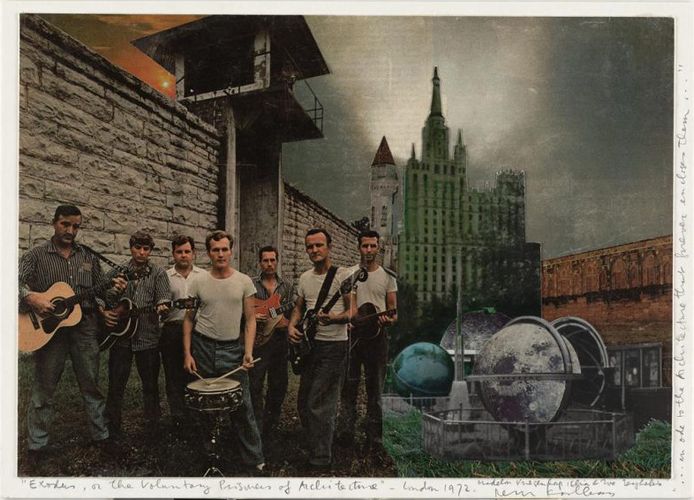
Rem Koolhaas: Voluntary Prisoners (1972)
Louis Henry Sullivan: Setback Skyscraper City (1891)
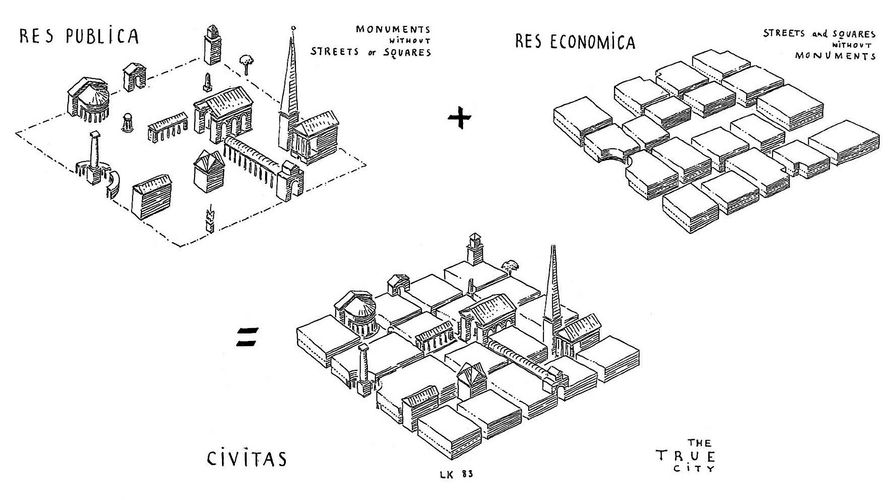
Leon Krier: Res Publica, Res Economica, Civitas (1983)
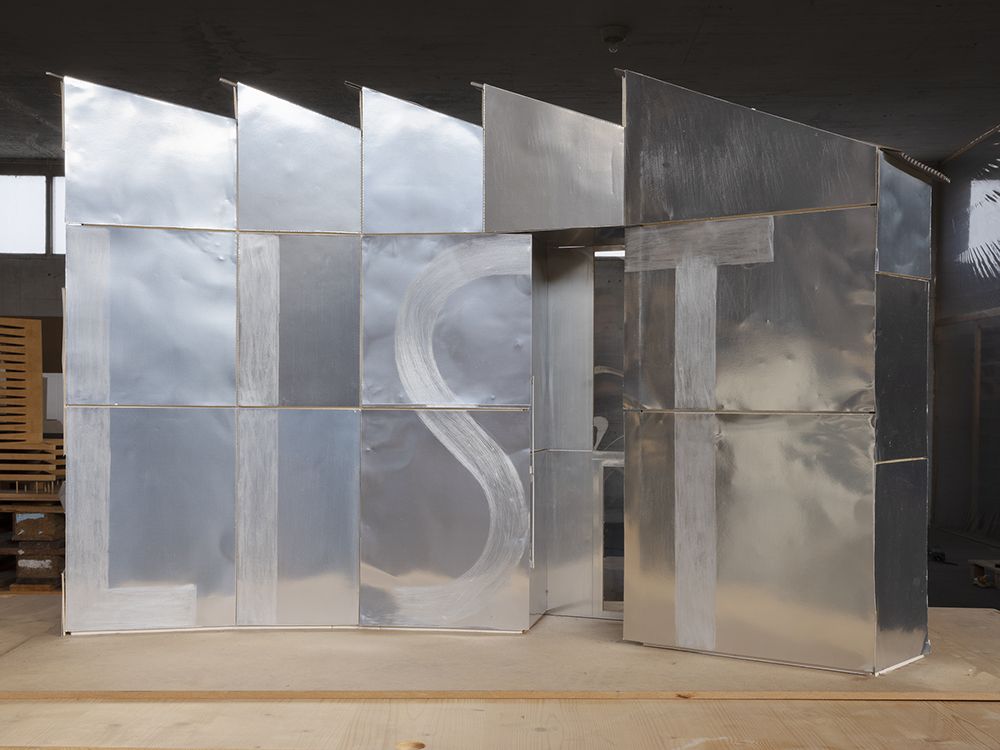
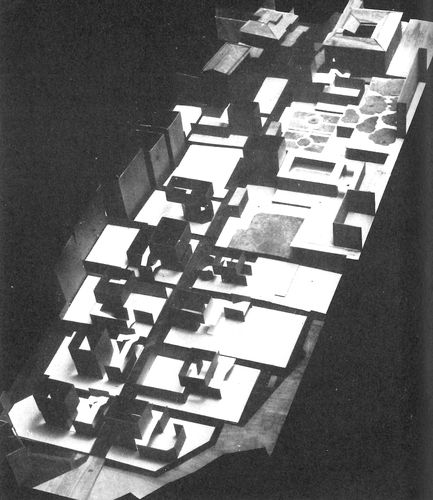
Strada Nuova, Genoa (Model)
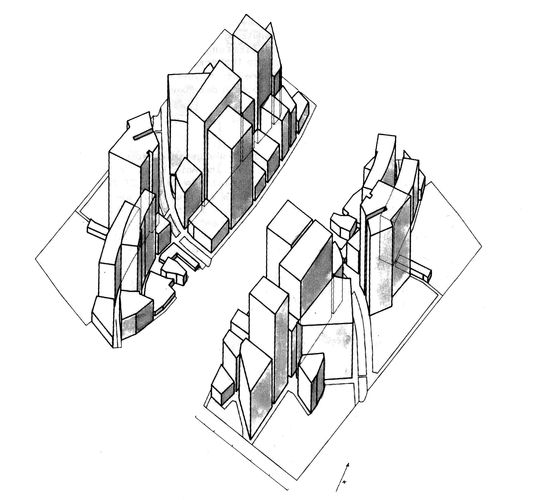
Alison and Peter Smithson: Urban Structuring (1967)
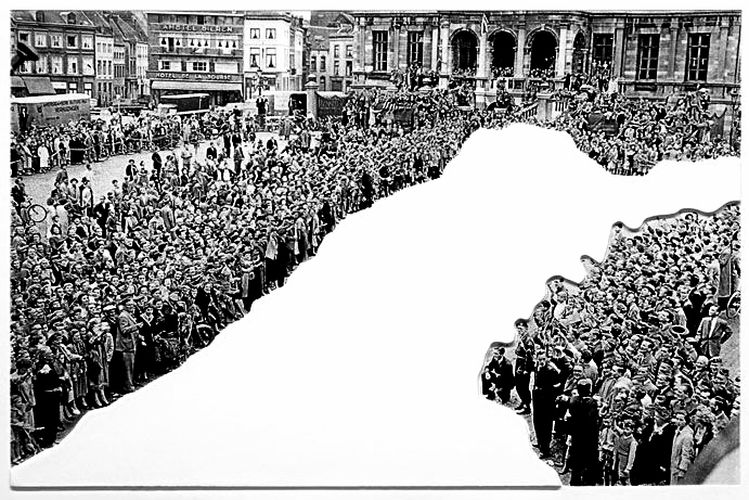
John Baldessari: Crowds with Shape of Reason Missing (2012)
Leonardo Da Vinci: Fortification (1600)
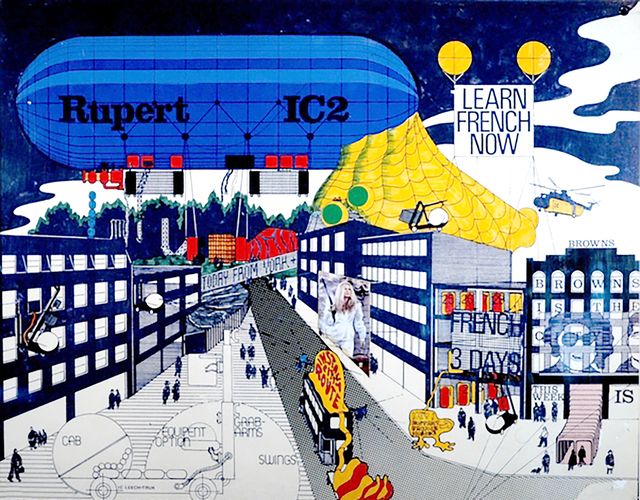
Archigram: Instant City Program (1970)
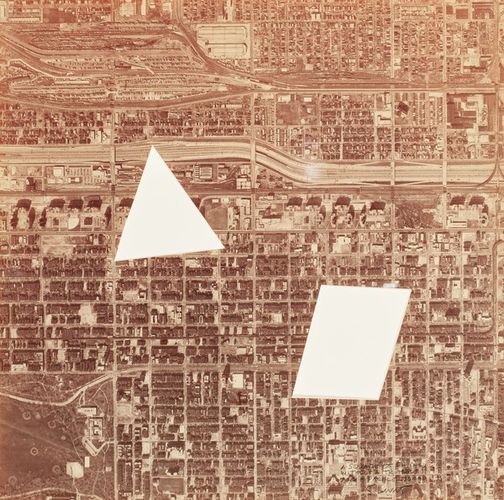
Sol LeWitt: A square of Chicago without a triangle and a parallelogram (1979)
SPRING 19
REAL ARCHITECTURE
KLYBECK
Spring semester 2019
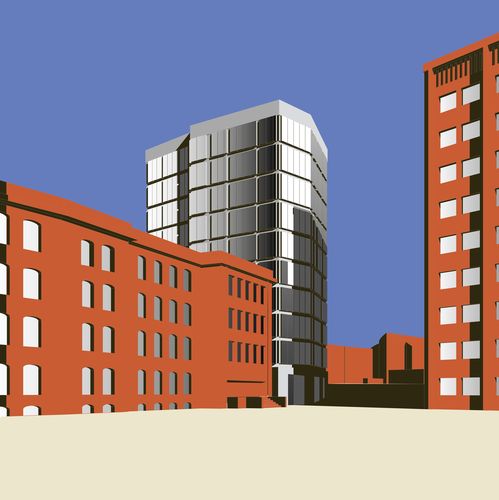
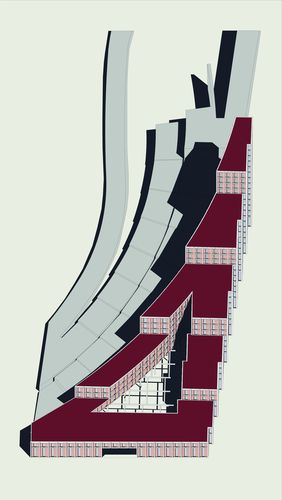
(Selection)Drawing on the principles identified in the previous semester in Milan, a new project is designed in a former industrial area on the outskirts of Basel. This confrontation with a real context here and now, allows tackling contemporary dilemmas such as how living, working and producing could be combined in an urban realm, and aims to project a potential urban future.
A collection of drawings will be published in autumn 2019.
Leo Graf / Manuel Lorz
Sereina Fritsche / Senga Grossmann
Leonie Huber / Rico Muth / Eileen Welzel
Natalie Carroll / Céline Ryffel
Meret Heeb / Zoé Rüttimann
Stephanie Nünlist / Besjana Ramadani
Dzulija Jakimovska / Julia Kobzar
Leon Beck / Vasco Medici
Sarah Rüegg / Pauline Sauter
Adrienne Enz / Hannah Kilian
Timothy Schärer / Lukas Schütz
Anita Cantieni/ Halima Hassan
FALL 18
IDEAL ARCHITECTURE
MILAN
Fall semester 2018
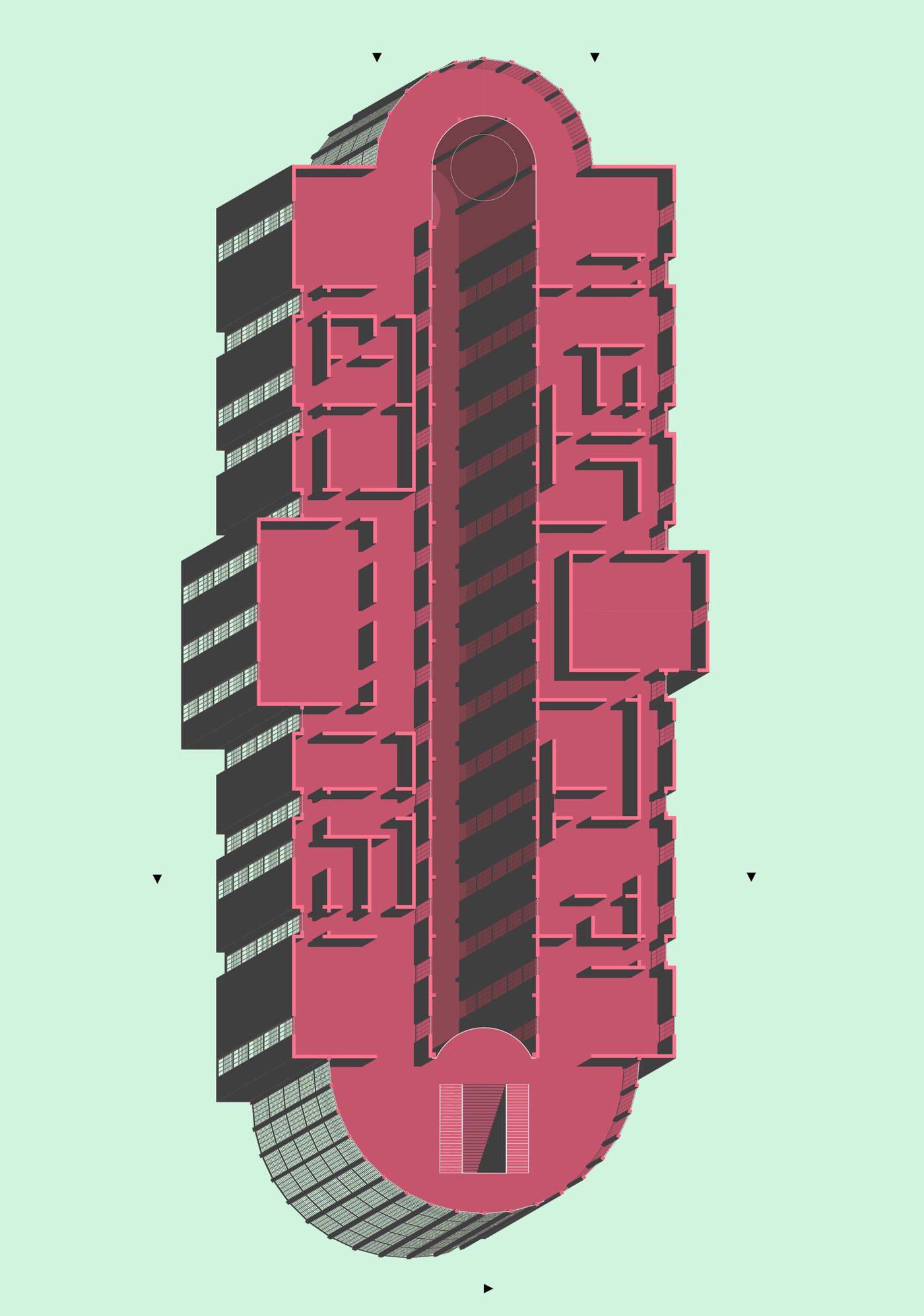
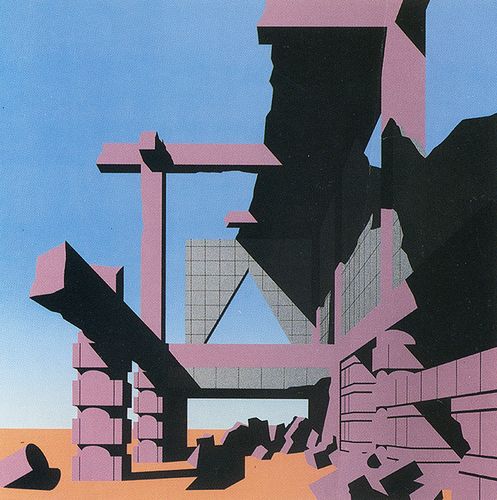
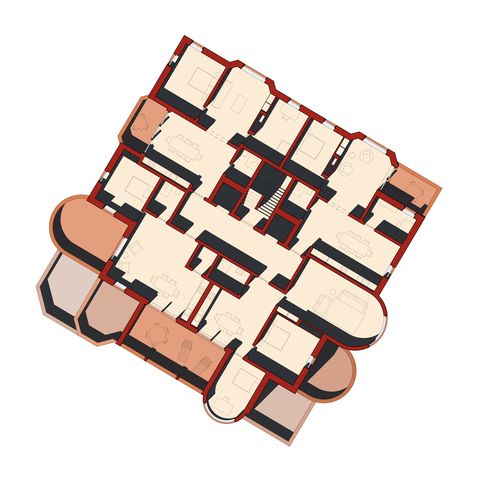
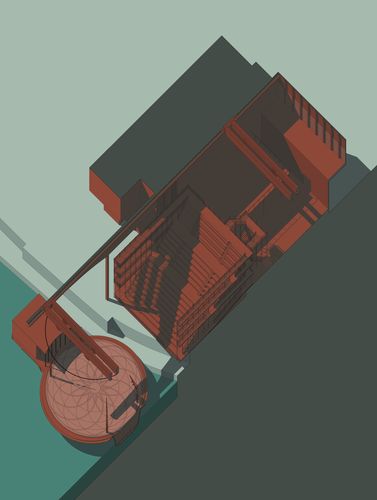
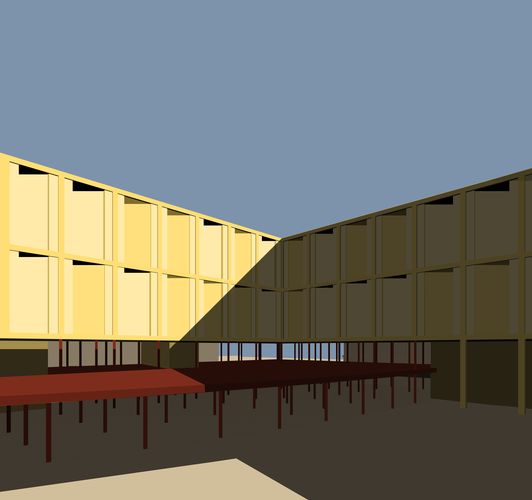
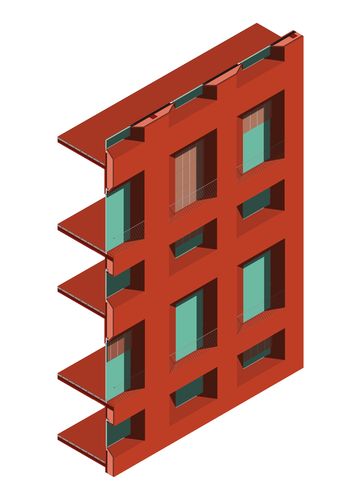
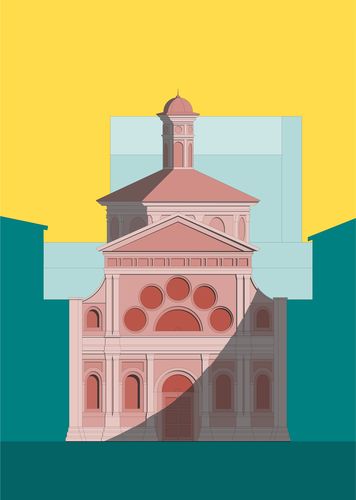
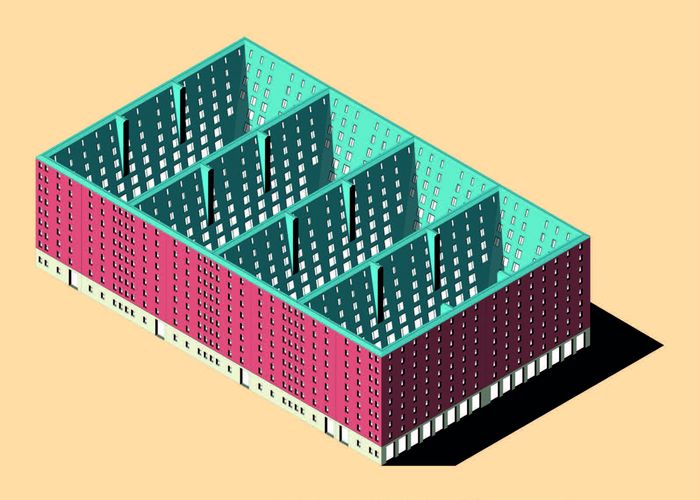
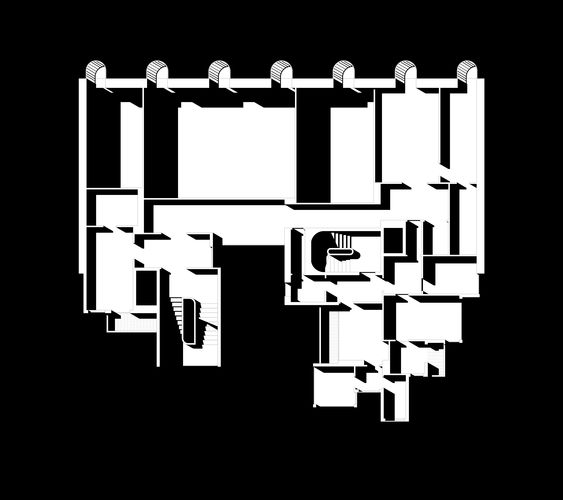
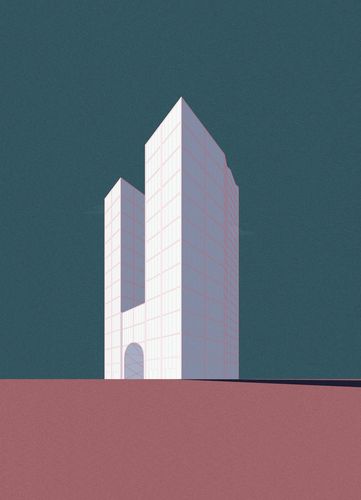
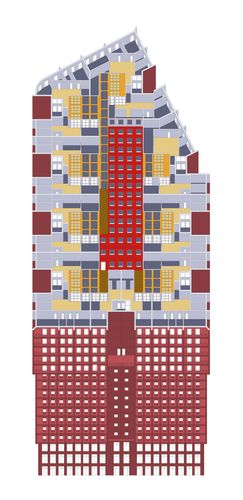
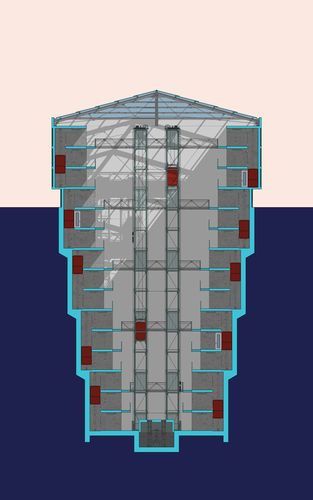
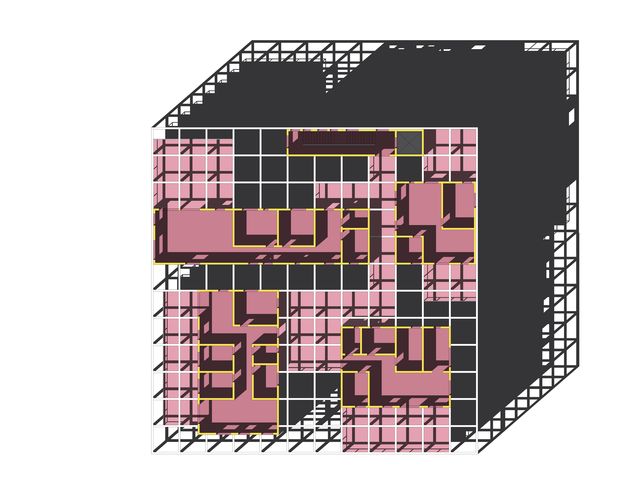
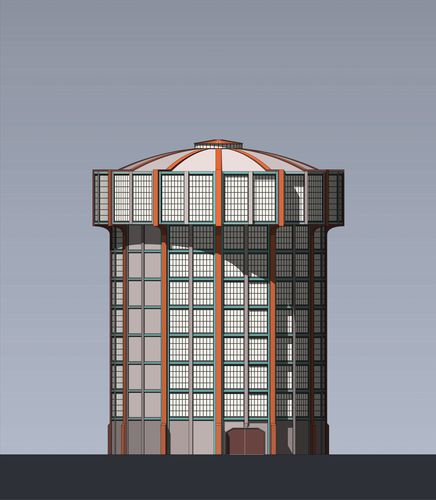
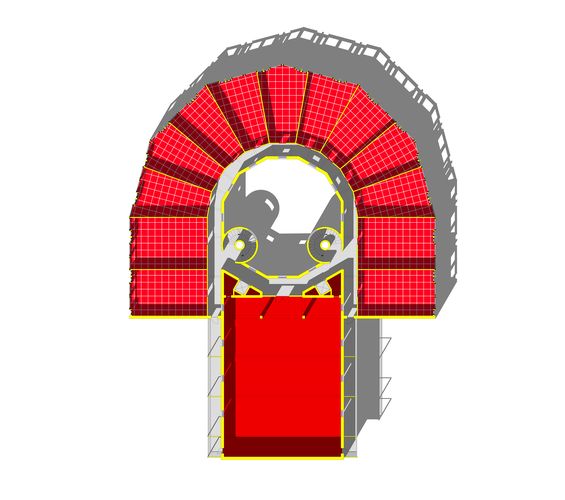
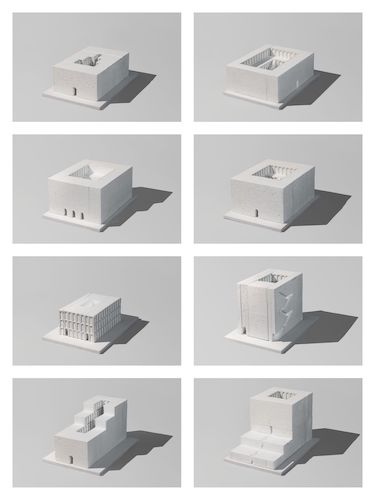
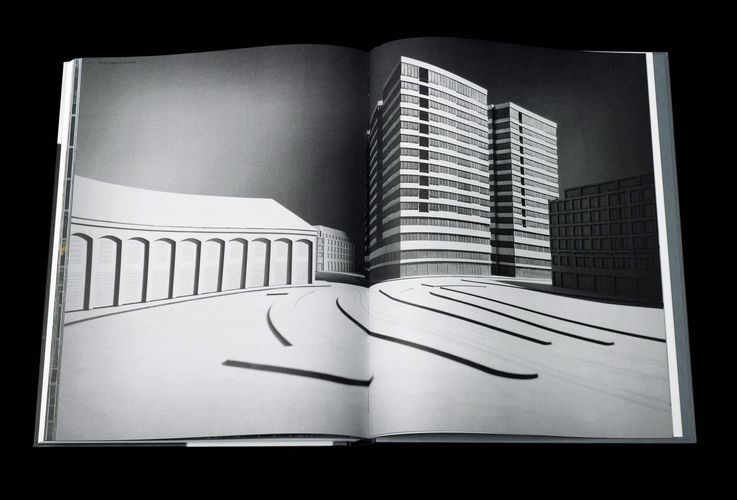
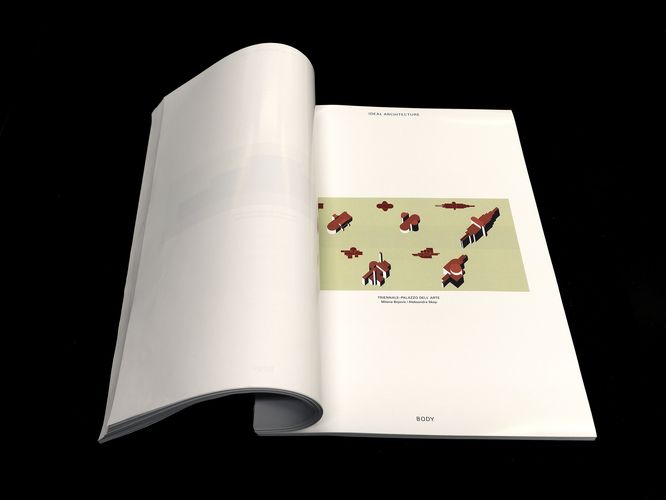
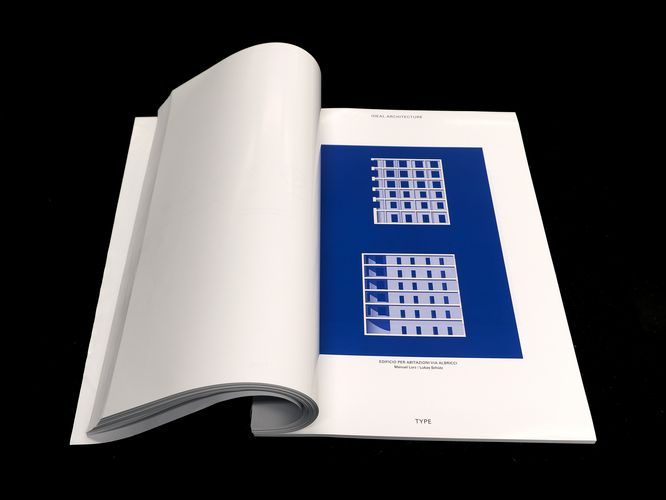
(Selection)40 exceptional Milanese architectures were selected and analysed, to extract basic principles of architecture. The fundamental means of architectural design picked out from each precedent, were rearranged into a new project with no functional needs and no particular location: ideal architecture. A particular attention is set on the graphical representation of both the existing and the new project by means of suggestive colours and strong shadows, in order to highlight physical and spatial qualities of each design.
A collection of drawings will be published in autumn 2019.
Sereina Fritsche / Senga Grossmann
Gjokë Daka
Daniel Epprecht / Timothy Schärer
Lorenz Strologo / Jierui Yu
Flavia Kläy / Marina Mezzasalma
Tobias Etter / Nicola Graf
Stephanie Nünlist / Besjana Ramadani
Gabriele Arba / Tobias Sandbichler
Jan Bauer / Mara Horváth
Milena Bojovic / Aleksandra Skop
Max Schubert / Marino Weber
Sandro Fritschi / Konrad Kramer
Aileen Geistlich / Anina Schmid
MASTER PROJECTS
JACK & JILL
RANDOM CAPTION
RANDOM CAPTION
RANDOM CAPTION
RANDOM CAPTIONJOHN & JANE
ALICE & BOB
SEMINAR WEEK
MAHALLA REPORT
UZBEKISTAN
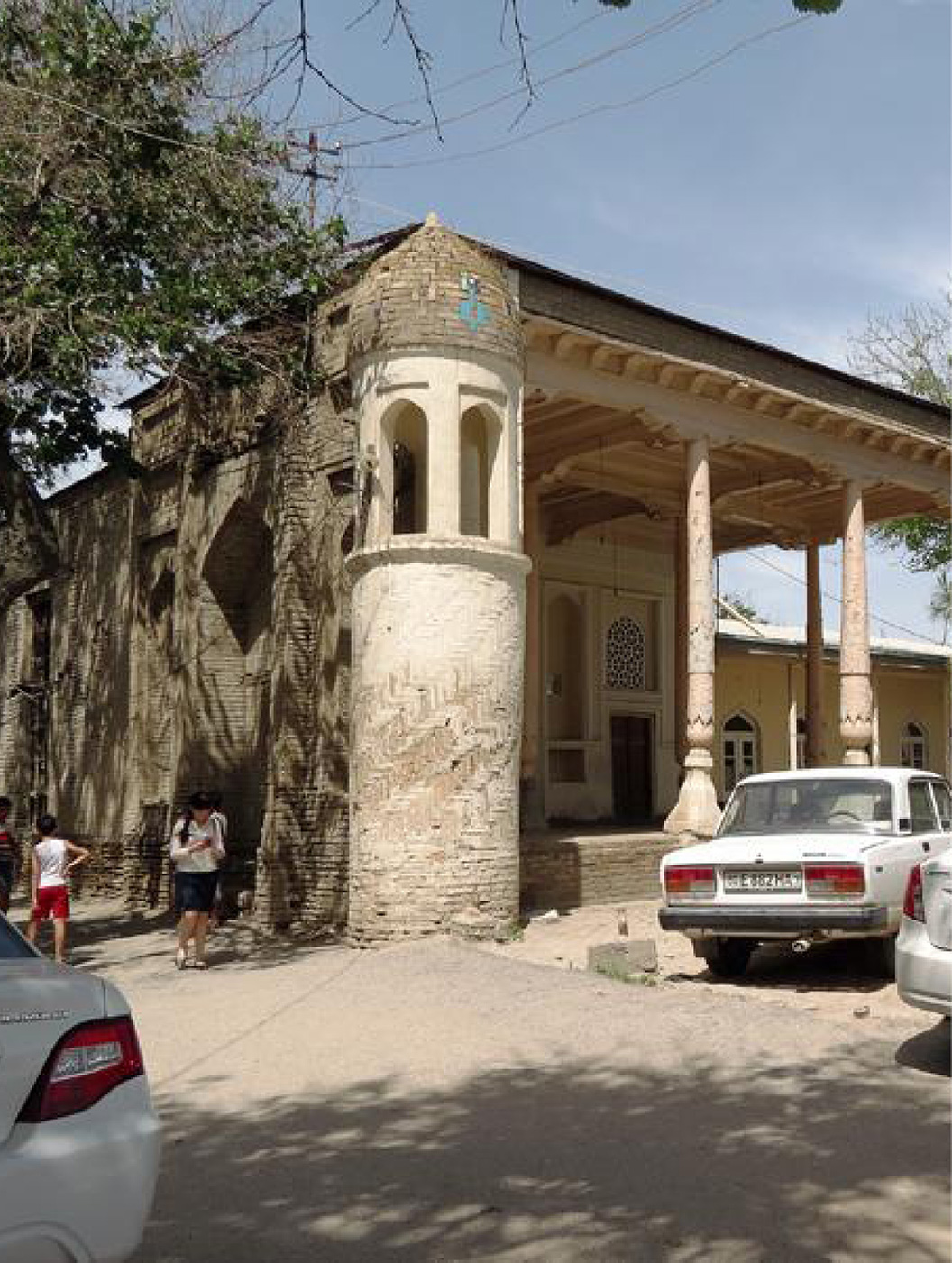
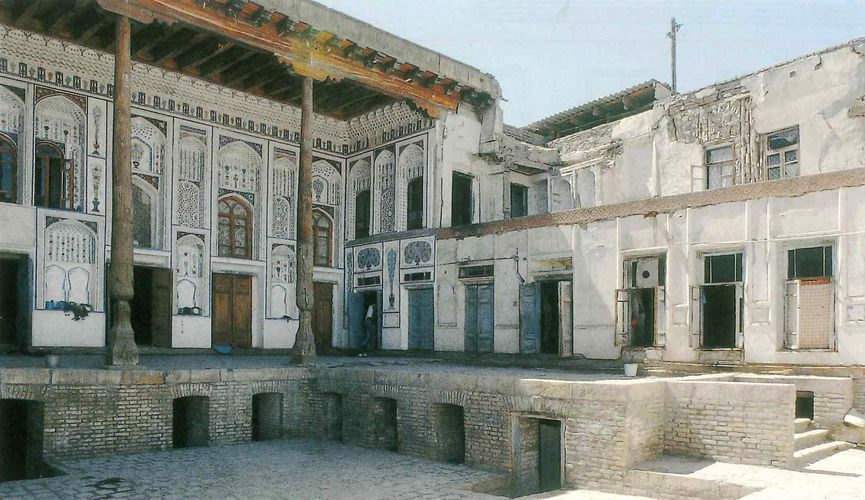
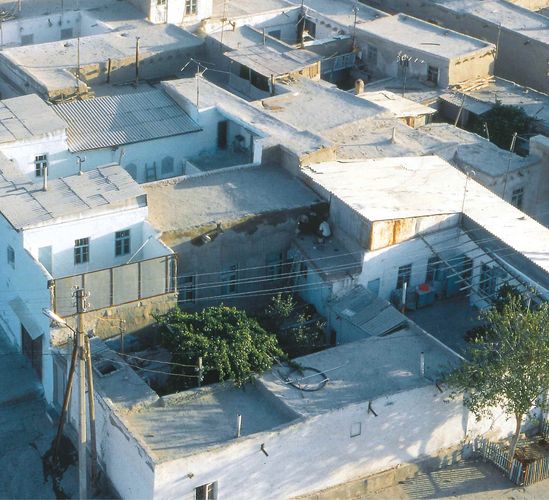
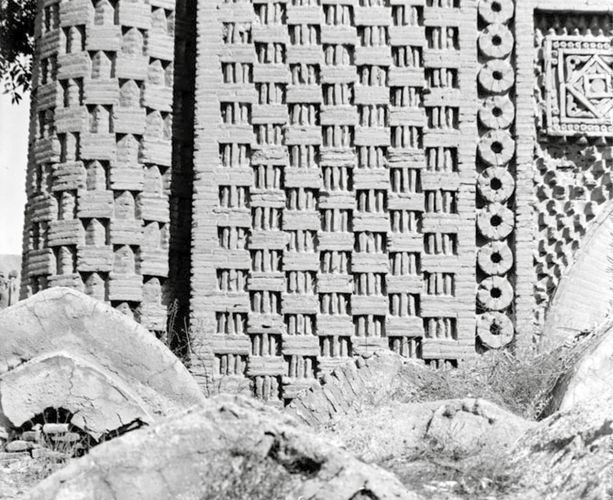
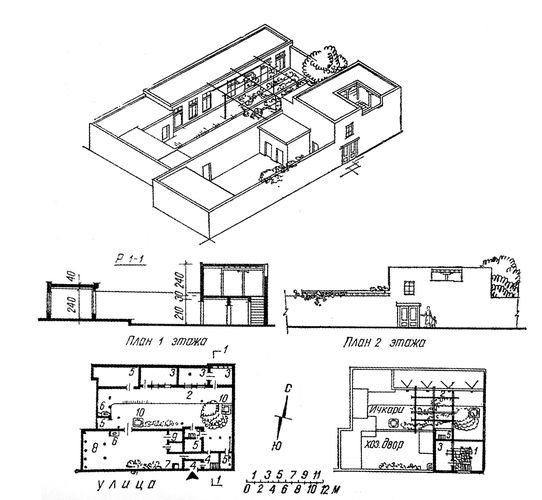
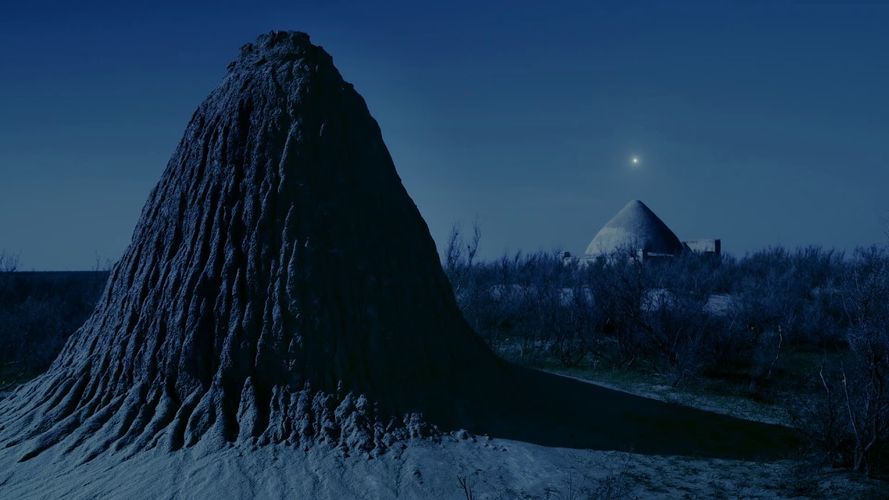
MAHALLA REPORTMahallas are an ancient form of „living together“, historically built around family ties and the daily life of the community. They are even integrated into the modern Uzbek constitution, which allows them to deal independently with all matters falling within their jurisdiction. Weddings, funerals, conflict resolution in the quarter and in the family, administrative activities and community celebrations take place in these neighbourhoods, which are still home to a large part of the Uzbek population. To date there are almost 10,000 Mahallas in Uzbekistan with an average of about 2,000 inhabitants. Depending of local culture, tradition, region and climate, various types of Mahallas developed over the centuries. But many Mahallas are disappearing due to high economic pressure, changed habits and lack of modern infrastructure.
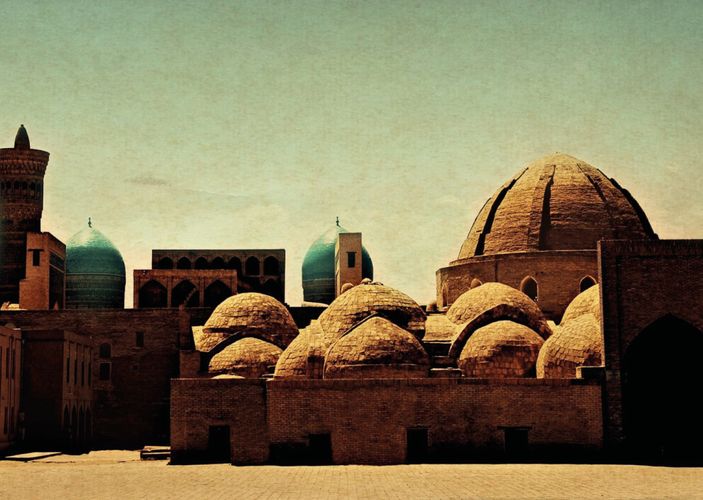
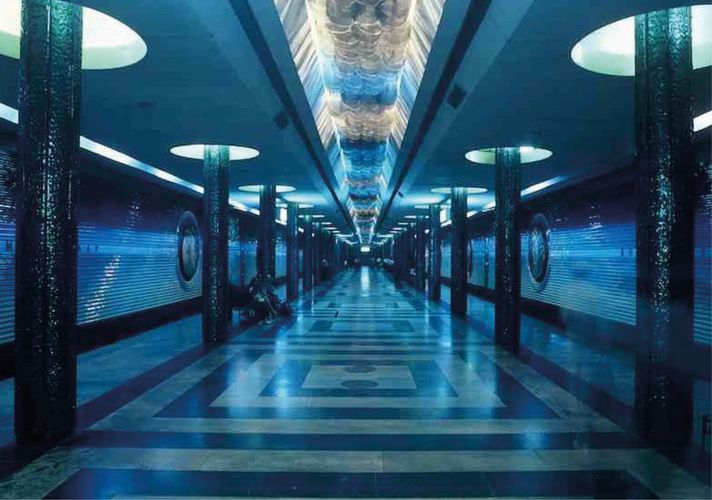
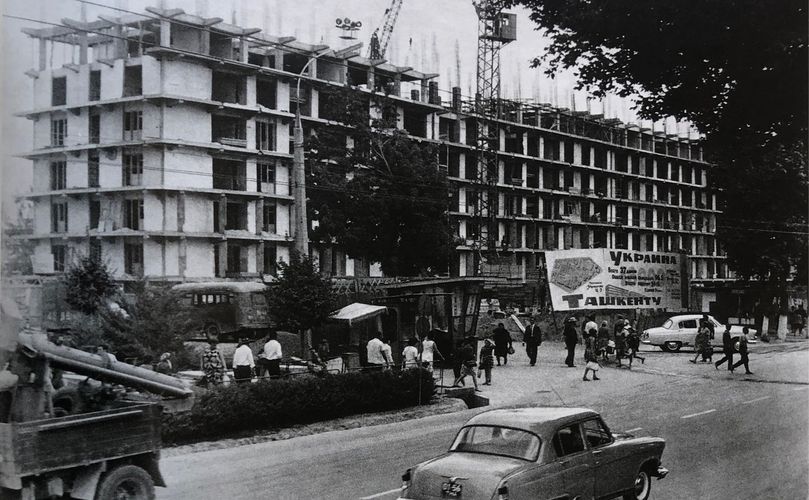
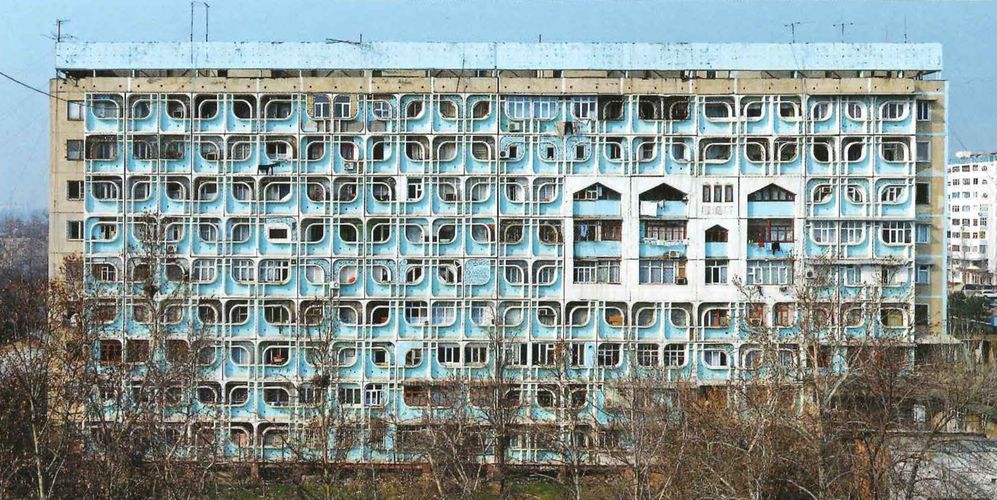
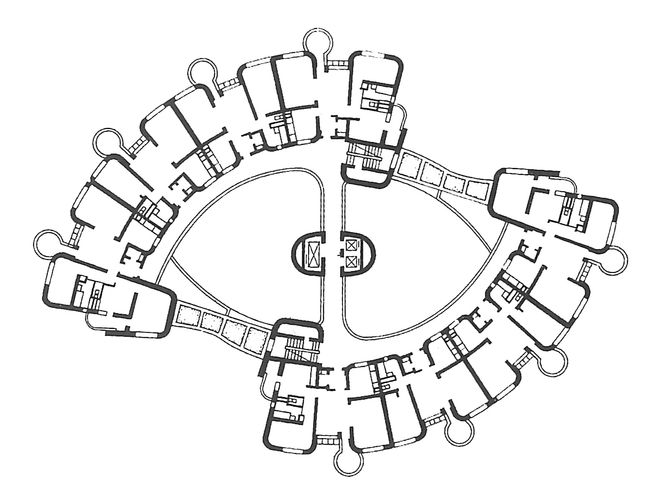
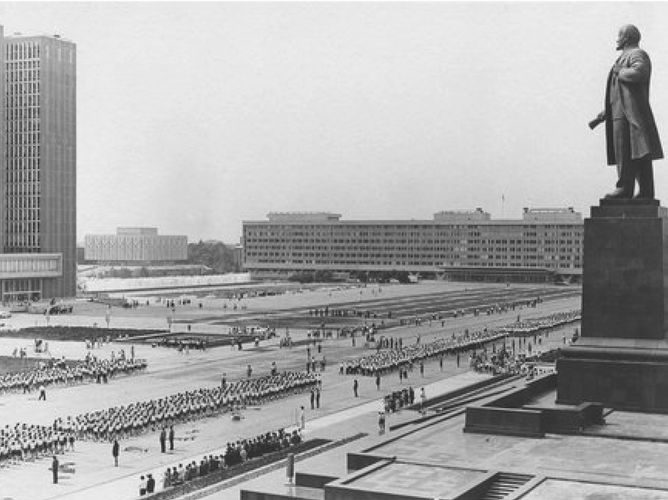
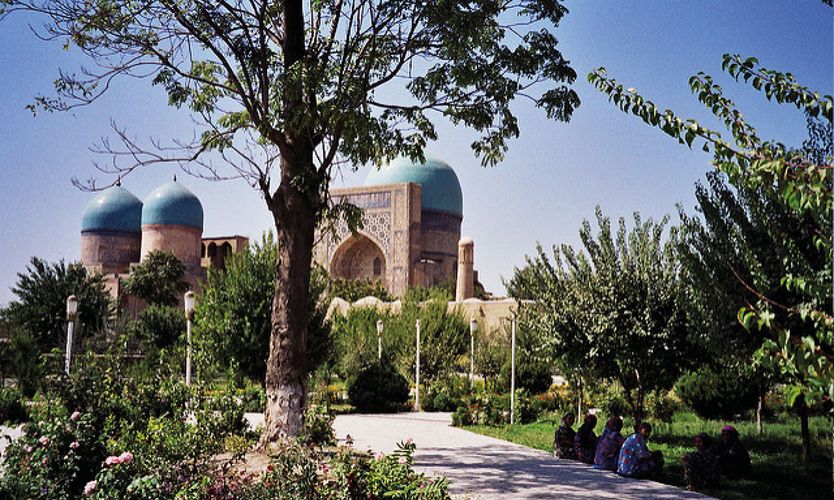
A focus of our journey will therefore be the different types of Mahallas throughout Uzbekistan. On our journey along the Silk Road from Tashkent to the West we will not miss to visit important cultural sites and buildings in the cities of Tashkent, Samarkand, Bukhara and Khiva. From the monumental Koranic schools of the 15th century to the Soviet reconstruction of Tashkent after the 1966 earthquake.
The social organization of the Mahallas and their various architectural forms are of high interest because they represent alternative models of urban society. At a time when the anonymous megacity and its ecosystem are literally reaching their limits, the need for an alternative is greater than ever. The example of the Mahalla can make an important contribution to this.
With photography and film, we will capture our journey and especially the Mahallas. The internationally renowned Uzbek contemporary artist Saodat Ismailova, whose film work revolves around the ancestral traditions of Uzbek society, will accompany and support us through the trip. The photographer and publisher Giovanna Silva will also be part of the journey and help us to capture these communities and their fascinating habitat.
SEMINAR WEEK
14. – 22.03.2020
Expense category E
(max. CHF 1’200)
max. 16 participants
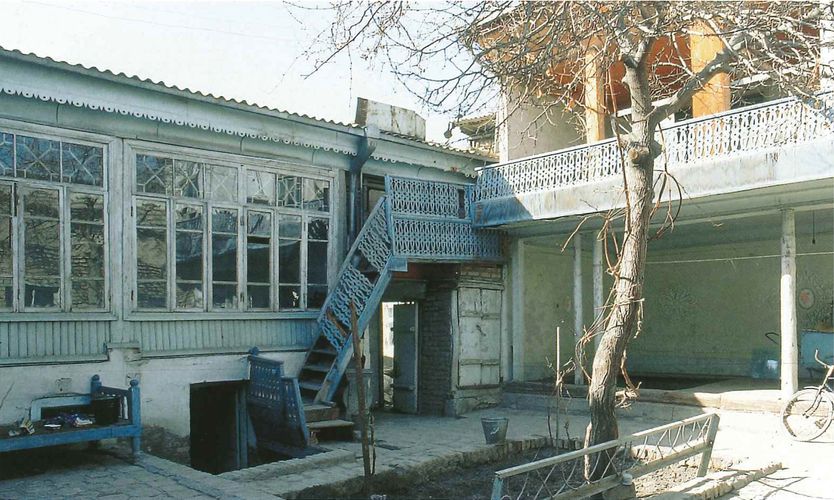
zelger@arch.ethz.chCourtyard of a large Bukharian house
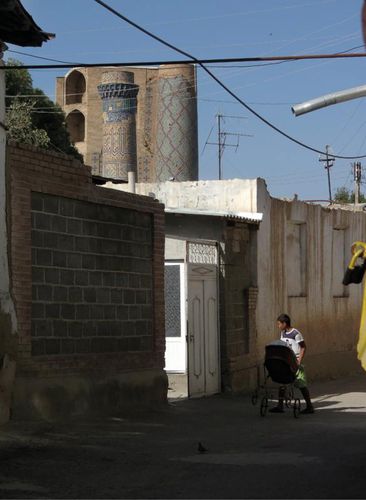
Old city, Bukhara
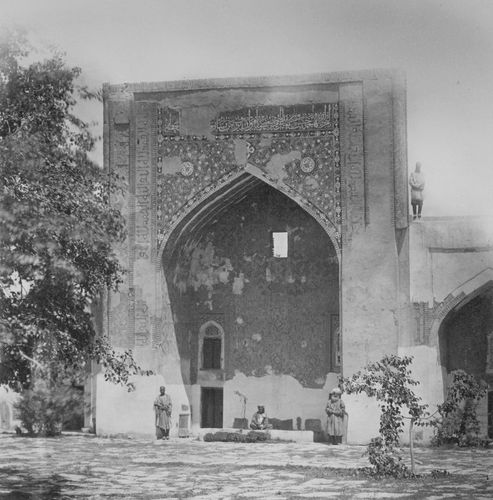
Toqi Zargaron, Bukhara (15th century)
Samanid Mausoleum, Bukhara (10th century)
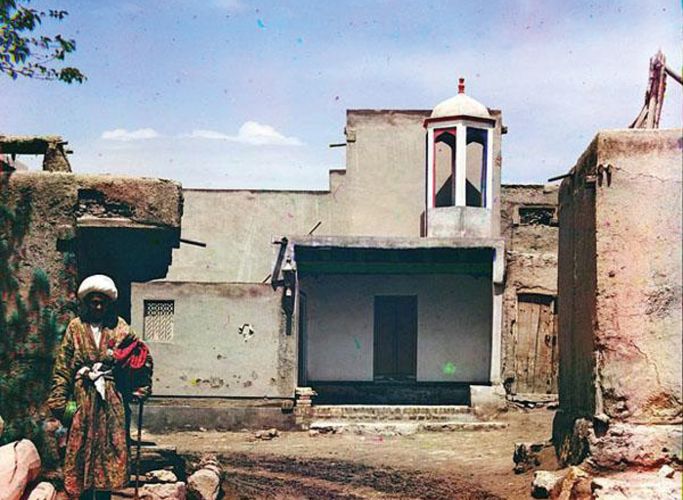
Archive Prokudin-Gorsky, Bukhara
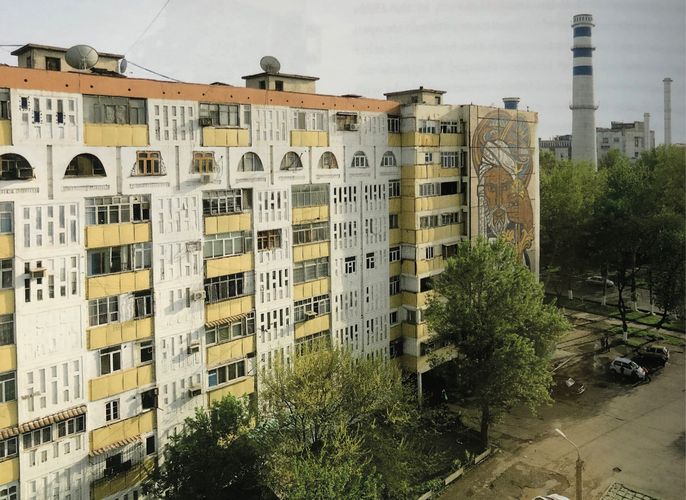
Metro station “Kosmonavtlar”, Tashkent (1984)
Samanid Mausoleum, Bukhara (end of 10th century)
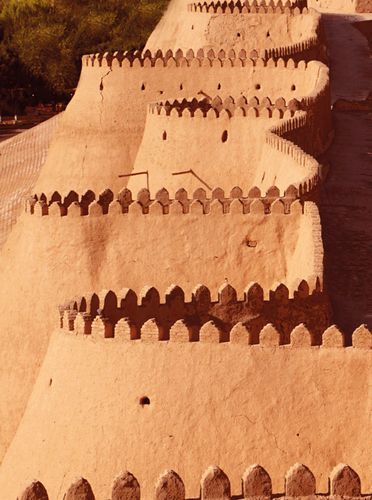
City wall, Khiva (18th century)
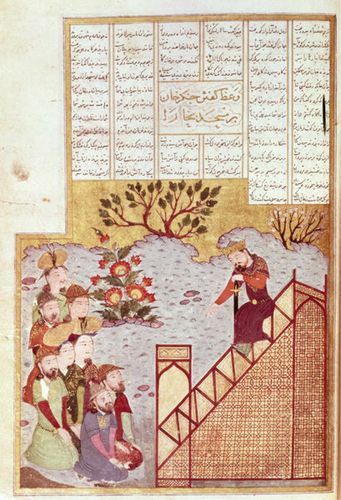
Genghis Khan addressing a congregation at the mosque in Bukhara (1397)
ZNIIEP schilischtscha, 2-storey residential buildings in microrajon Z-5,Tashkent (1967)
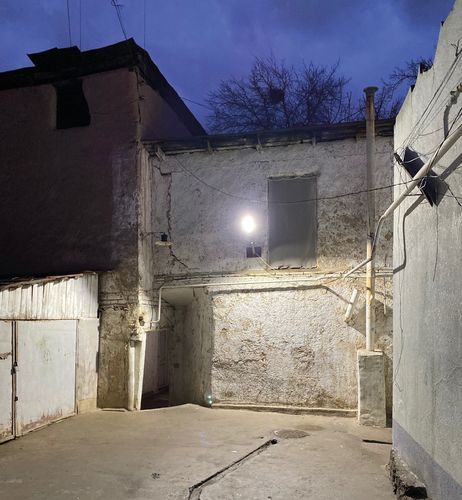
Street at night,Tashkent
A.W. Kosinskji, Serie 1T-SP, Bobur Kochasi (1974)
Madrasah of Tillia Kari, Inner Courtyard, Samarkand (1868)
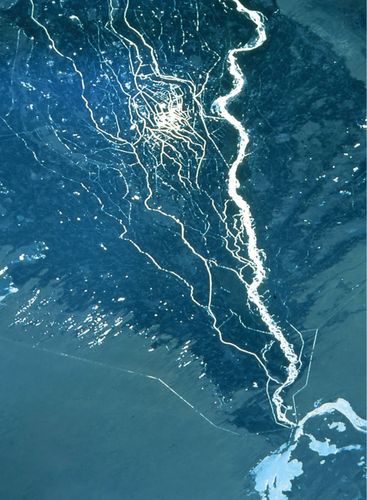
Irrigation on Amu Darya Delta, Uzbekistan
KievZNIIEP, Construction of a residential building,Tashkent (1967)
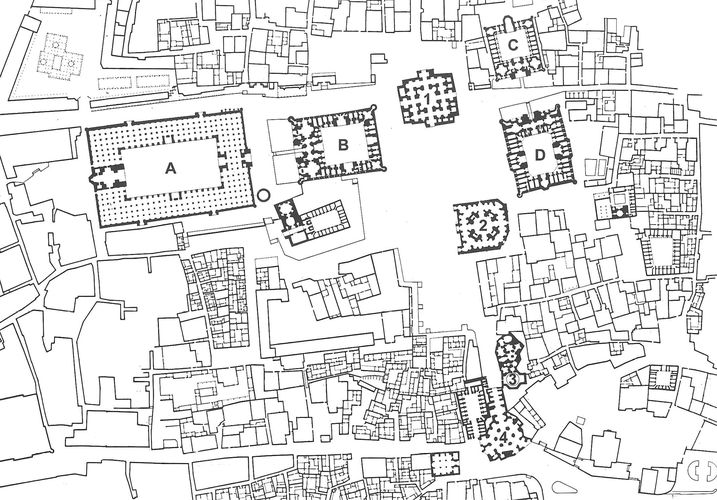
Plan of old city with major monuments, Bukhara
Street in Samarkand
Map of mediaeval commerce in Asia
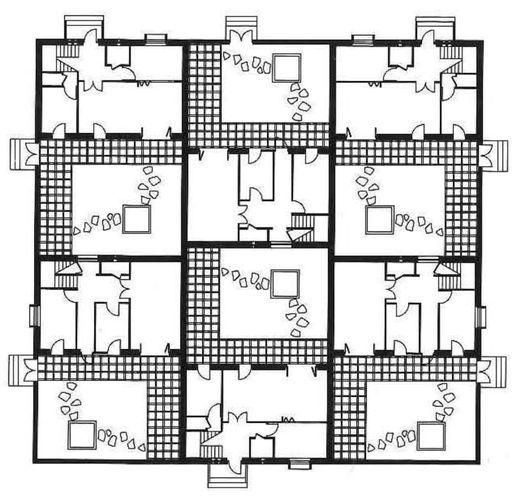
Courtyard houses, Bukhara
Courtyard houses, Tashkent
Nine-storey residential building, 1T-SP series,Tashkent (1973)
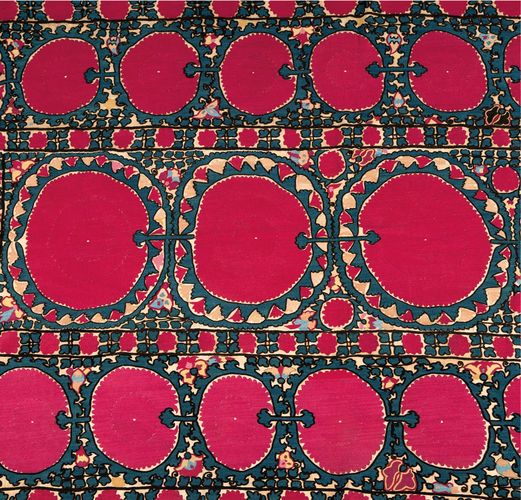
Suzani, Cotton with embroidered silk (19th century)
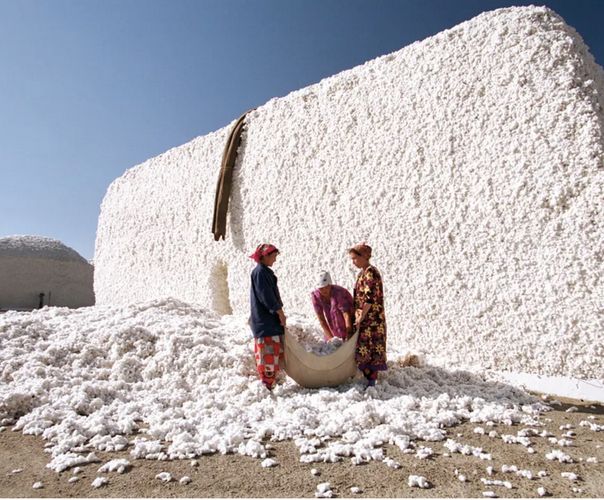
Cotton harvest
Filmstill Qo’rg’on Chiroq by Saodat Ismailova (2019)
Odetta Aidinova, 16-storey residential building,Tashkent (1985)
Lenin Square,Tashkent (reconstruction after 1966)
Kok Gumbaz Mosque, Shahrisabz (15th century)
FALL 19
GRAND TOUR
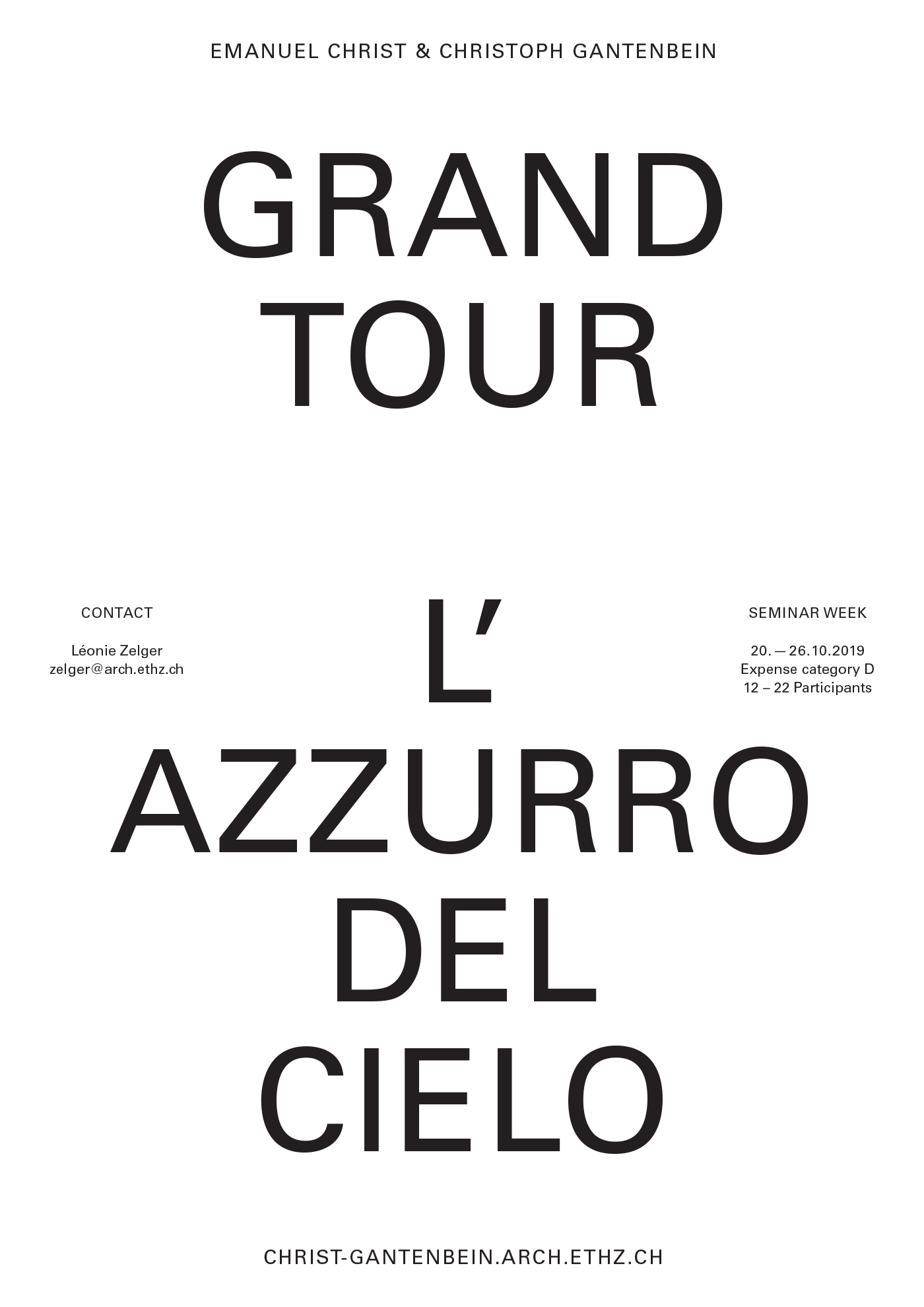
L’AZZURO DEL CIELO
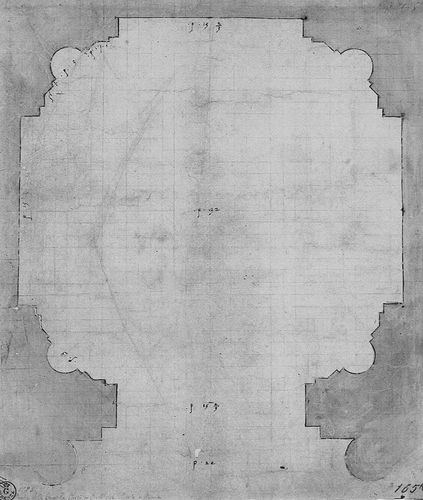
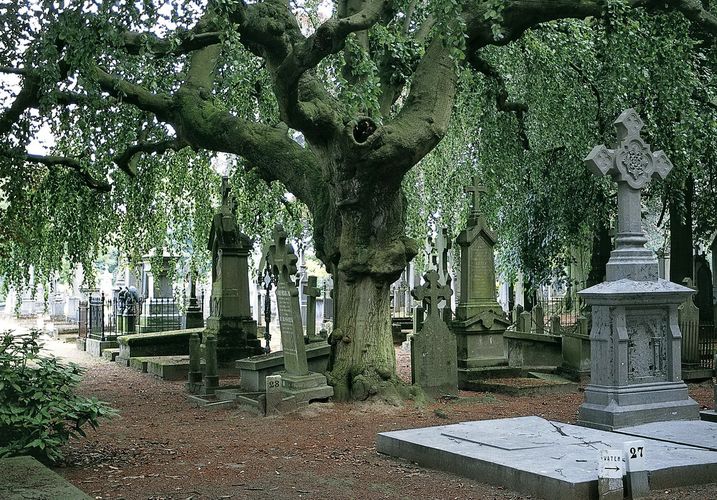
FUNERARY MONUMENTS AND SPACES OF COMMEMORATION IN ITALY«Wenn wir im walde einen hügel finden, sechs schuh lang und drei schuh breit, mit der schaufel pyramidenförmig aufgerichtet, dann werden wir ernst und es sagt etwas in uns: Hier liegt jemand begraben. Das ist architektur.»
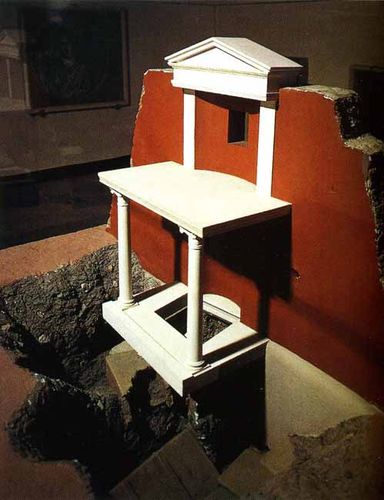
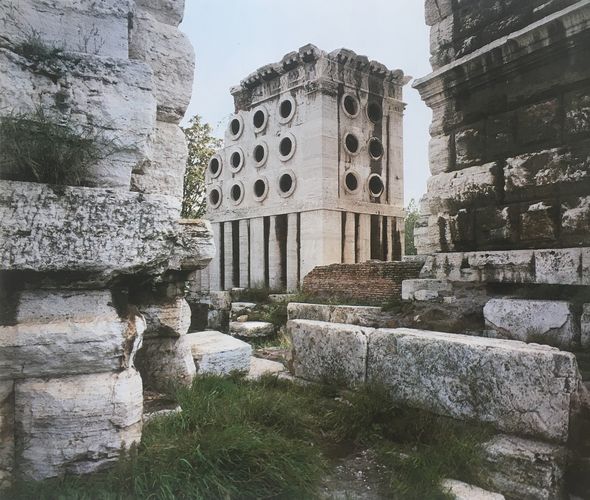
Adolf Loos, Architektur, 1910According to Adolf Loos, only a very specific realm of architecture belongs to the discipline of art: the monument, and the tombstone. Hereby he points to the latent a-functionality of these architectures, whose built form serves a merely representational function. The site and form of the final resting place has evolved throughout history from the pyramids to the rental of a tree for burial of ashes. To the variety of rituals enacted according to different religious customs, corresponds the great extent of architectural and urban translations of the funeral monument. From the tomb to the catacomb, from the tumulus to the mausoleum, from the catafalque to the crypt, from the cemetery to the necropolis, the typology of the architectures of Death essentially evokes the idea of shelter, while serving as a tribute to past greatness, emphasized by the suggestive and allegorical meaning of art.
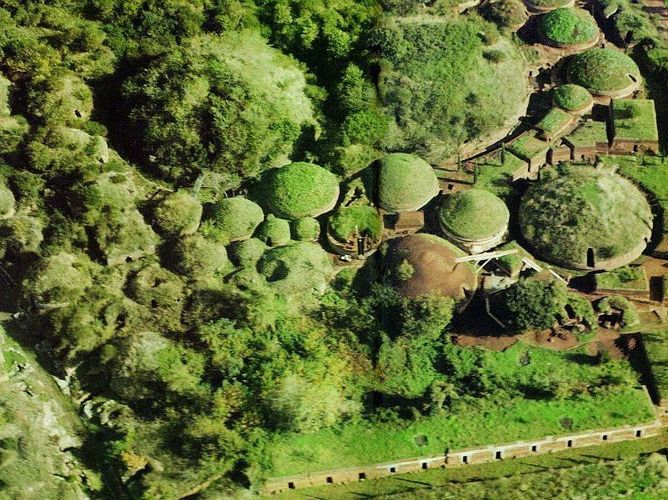
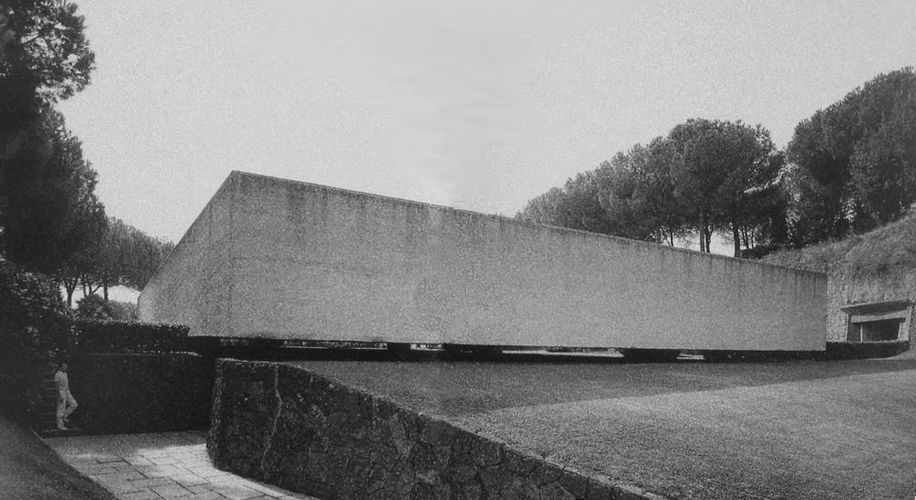
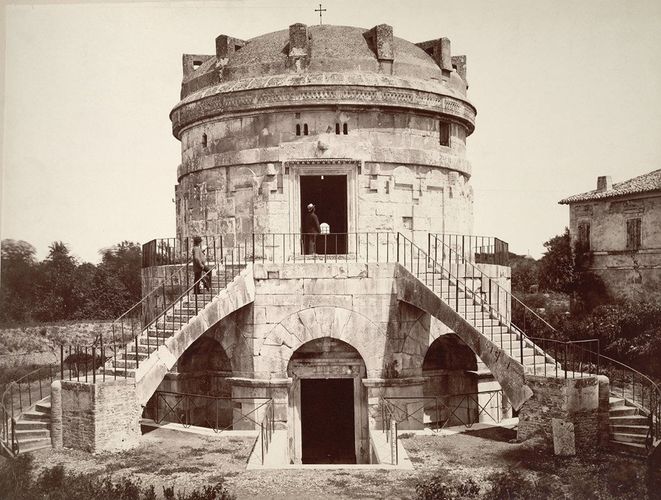
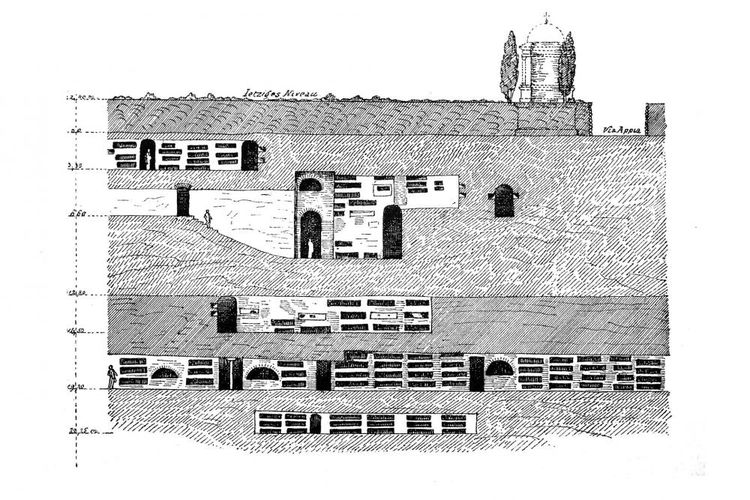
As a basin of cultures and religions, Italy showcases the powerful and singular position death has always occupied within society and the city. This role is translated in a collection of funerary monuments, which are paramount to the understanding of Architecture, from the Etruscan obsession with death to the Rossian urbanism of melancholy. Re-enacting a possible Grand Tour through Italian cities – and landscapes – we will visit mausoleums of the great emperors, the vast and urban Etruscan necropolis, labyrinthine Neapolitan catacombs, the Piranesian tombs on the via Appia, family chapels of the Renaissance, 19th century monumental cemeteries as well as their contemporary interpretations, in search for the fields, spaces, and devices of commemoration.
SEMINAR WEEK
20. – 26.10.2019
Expense category D
12 – 22 Participants
zelger@arch.ethz.chNecropoli della Banditaccia, Cerveteri (IX secolo a.C.)
Monumento ai Martiri delle Fosse Ardeatine, Roma (1944-1949)
Mausoleo di Teodorico, Ravenna (520 d.C.)
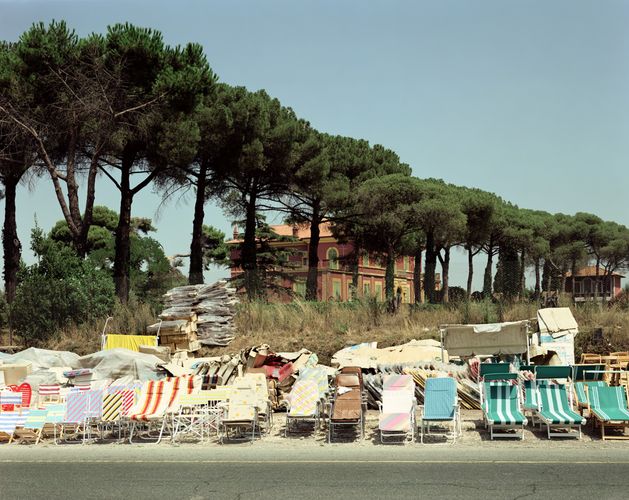
Joel Sternfeld: Via Appia Nuova, Statuario, Roma (1989)
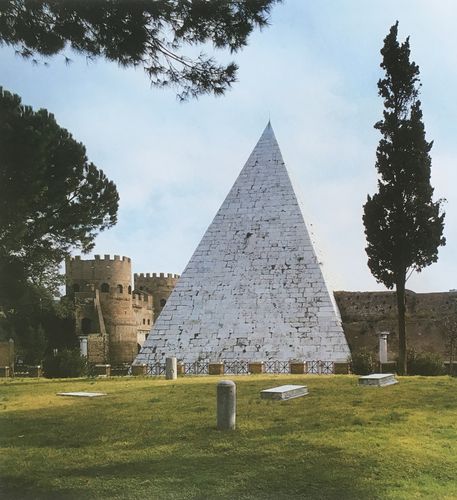
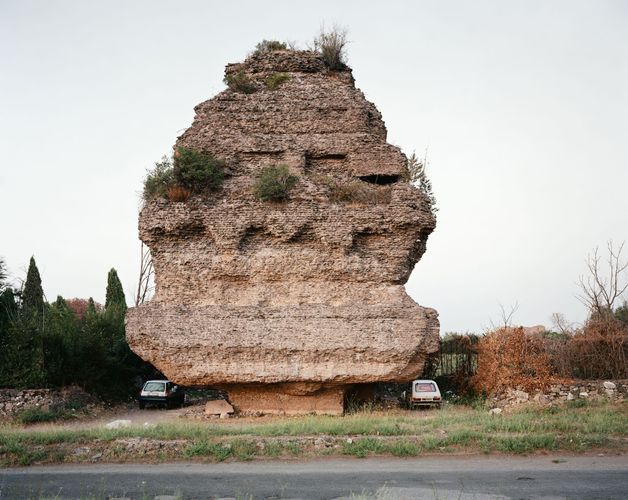
Piramide Cestia, Roma (I secolo a.C.)
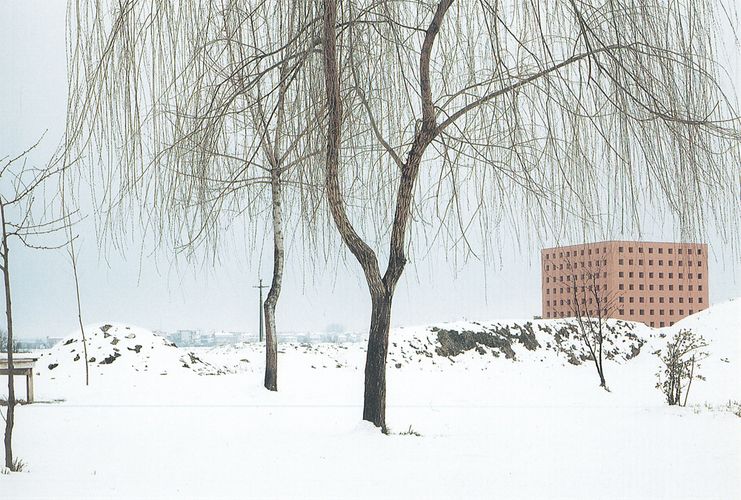
Aldo Rossi: Cimitero di San Cataldo, Modena (1971)
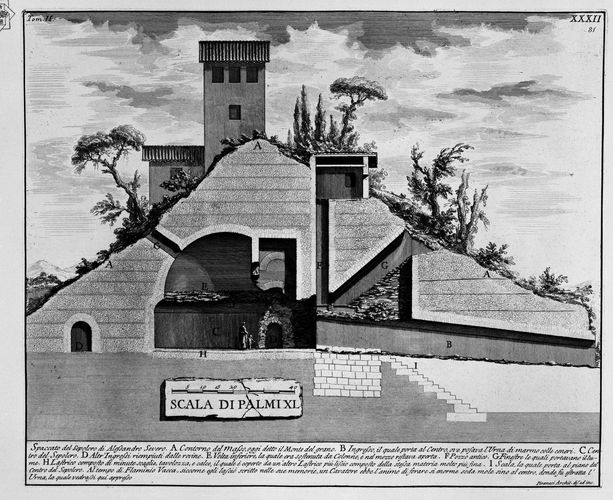
Mausoleo di Monte del Grano, Roma (222-235 d.C.)
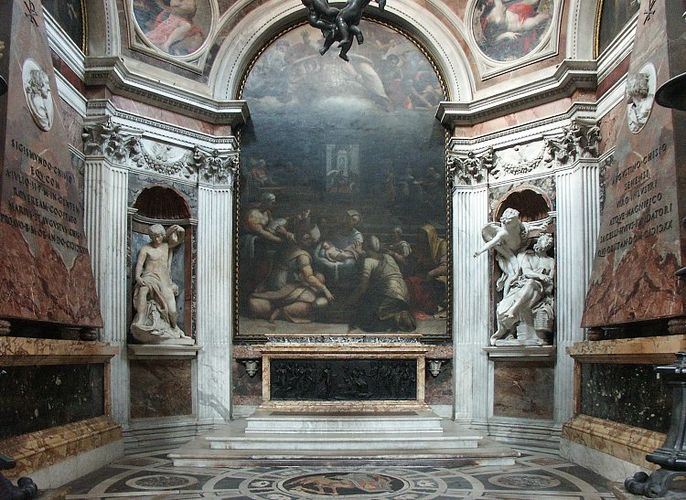
Raffaello, Bernini: Cappella Chigi, Roma (1507-1661)
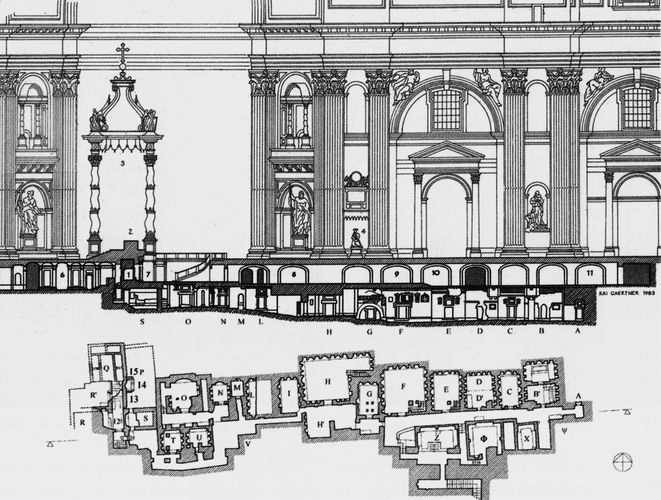
Necropoli Vaticana, Roma (I secolo a.C.)
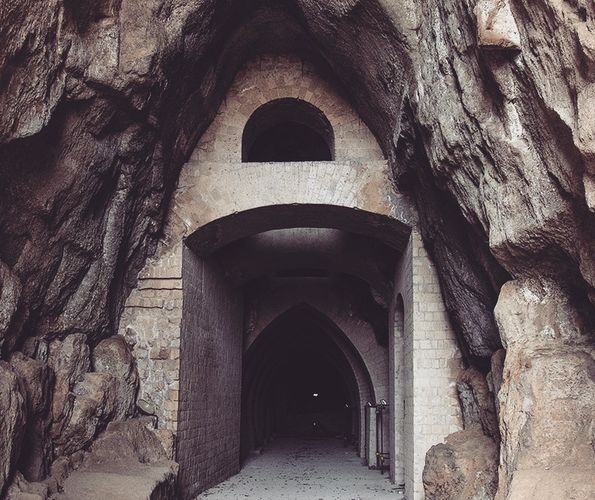
Via Cava Buia, Blera (IX secolo a.C.)
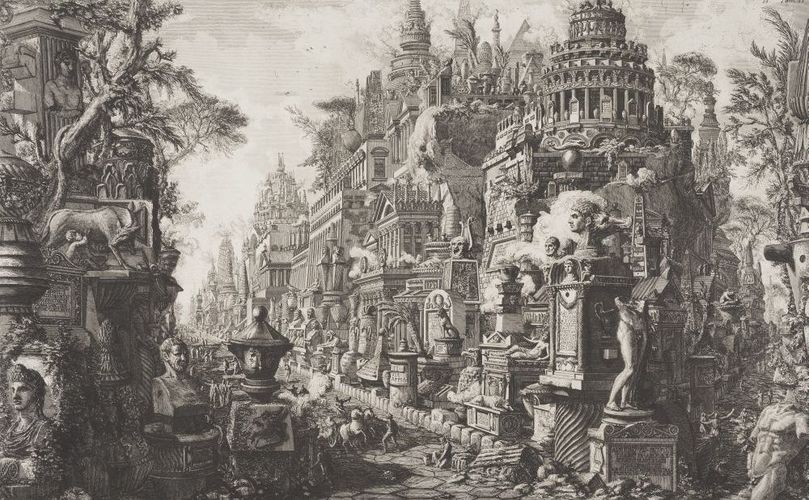
Giovanni Battista Piranesi: Via Appia Antica (1756)
Via Appia Antica, Roma
Raffaello, Bernini: Cappella Chigi, Roma (1507-1661)
Cimitero acattolico, Roma (1738)
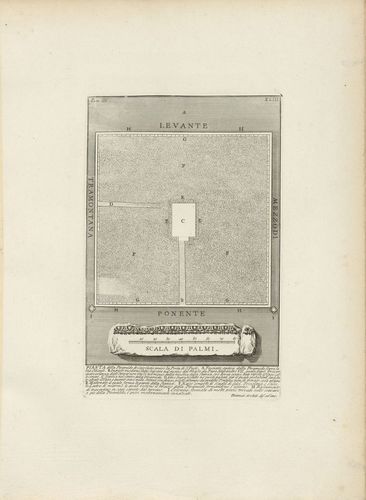
Giovanni Battista Piranesi: Pianta della Piramide Cestia, Roma (I secolo a.C.)
Aldo Rossi: Cimitero di San Cataldo, Modena (1971)
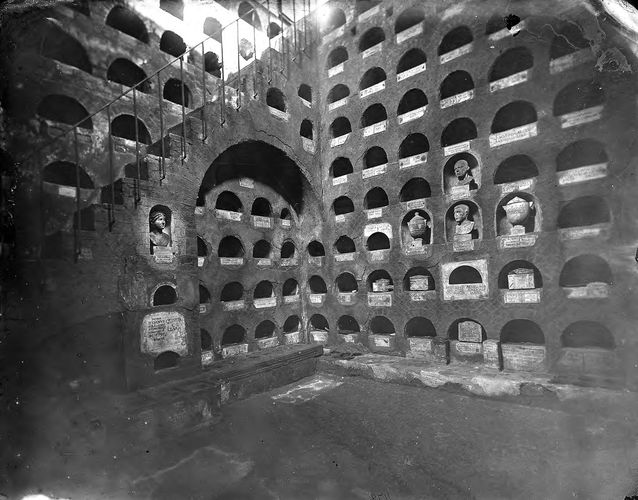
Columbarium di Vigna Codini, Roma (I secolo a.C.)
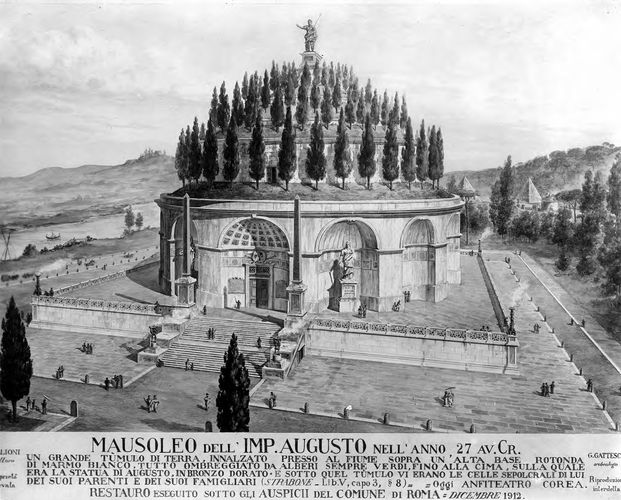
Mausoleo dell’Imperatore Augusto, Roma (I secolo d.C.)
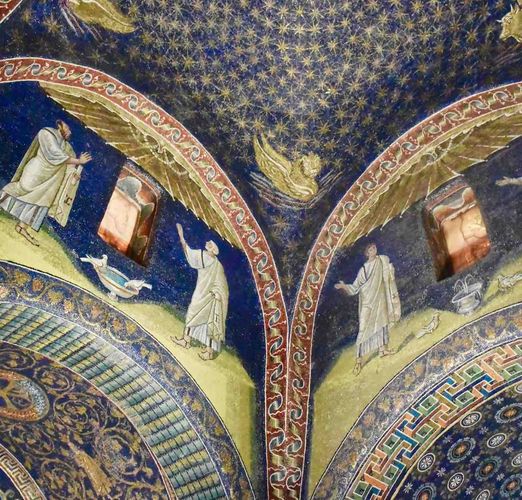
Mausoleo Galla Placidia, Ravenna (V secolo a.C.)
Parco Vergiliano, Tomba Virgilio, Napoli (1930)
Tropheo di Gaio, Roma (II secolo d.C.)
Sepolcro di Eurisace, Panarium, Roma (I secolo a.C.)
Catacombe di St. Callixtus, Roma (III secolo d.C.)
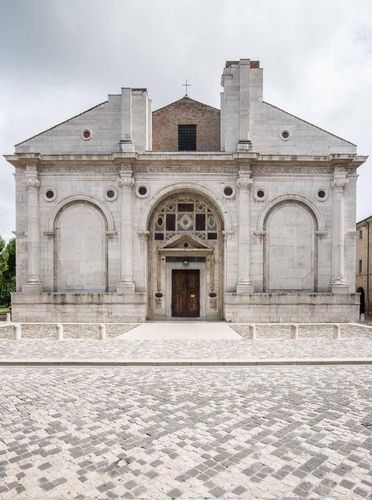
Leon Battista Alberti: Tempio Malatestiano, Rimini (1450)
Massimiliano Fuksas: Il cimitero nuovo di Civita Castellana (1985 -1992)
FALL 18
GRAND TOUR
LONDON / BATH
ITALY AND GREECE THROUGH THE EYES OF BRITISH ARCHITECTSAs travelling became a means of discovery accessible to a privileged few in the 17th century, touring acquired a new value for architects and artists.
Simultaneously with the start of archeological documentation, which allowed study of the seemingly inaccessible, the Grand Tour grew to be considered as an educational tool.
How did these travellers use the information gathered on their journeys, how did they make it available and implement them in their designs? In a series of Grand Tours we will first look at the interpretation in order to better look at the interpreted. This semester, we will start in England as the birthplace of so many Grand Tourists.
The chosen sites and visits in London and Bath will reflect upon two ways of interpretation. On the one hand we will look at the discoveries and sketches, the drawings and artifacts, as well as the museums and archives: the British Museum, the RIBA Drawing Collection, Victoria & Albert Museum, as well as the Drawing Matter collection which will give us insights into the two-dimensional projects, the representation of architecture. On the other hand, we will appraise direct applications, where built interpretations are embedded in a contemporary context. Inigo Jones, John Nash, John Soane and Edwin Lutyens’ masterpieces will be confronted with James Stirling, Richard Rogers, and Venturi Scott-Brown’s modern translations.
SEMINAR WEEK
21. – 27.10.2018
Expense category D
(750 – 1000 CHF)
10 – 15 Participants
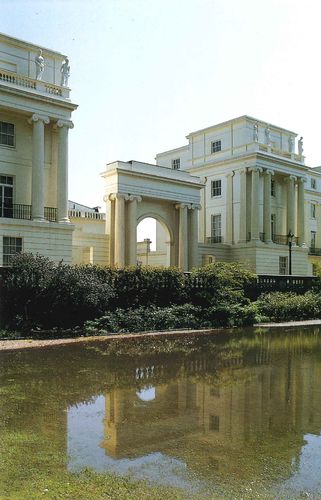
tina.kueng@arch.ethz.chJohn Nash: Cumberland Terrace, London (1826)
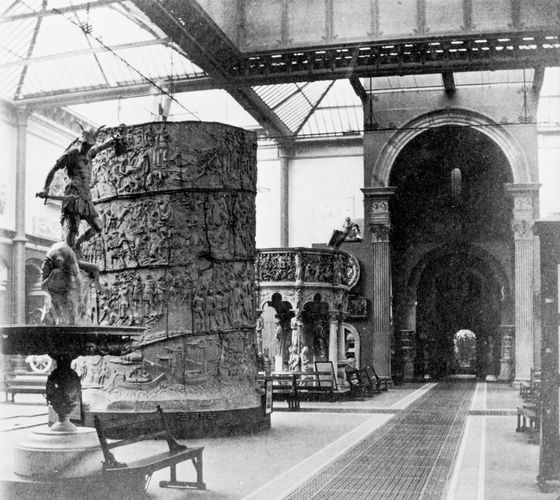
Victoria & Albert Museum’s Casting Collection Room, London
John Nash’s Metropolitan Improvements, London
Edwin Lutyens: Page Street, London (1930)
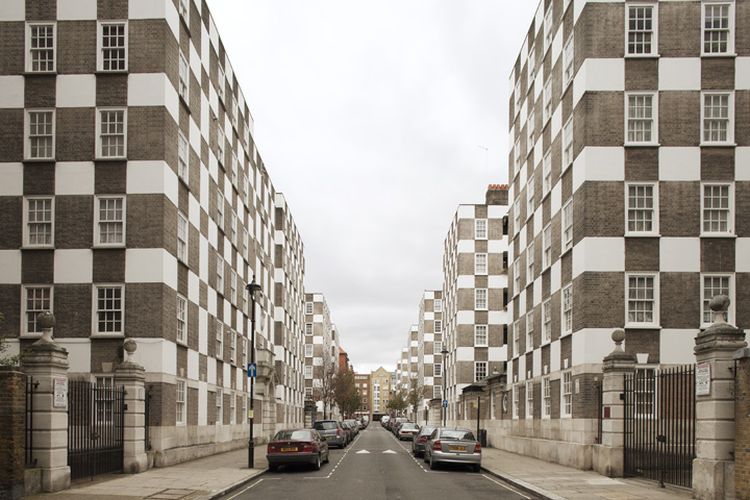
James Stirling: Clore Gallery, Tate Britain, London (1986)
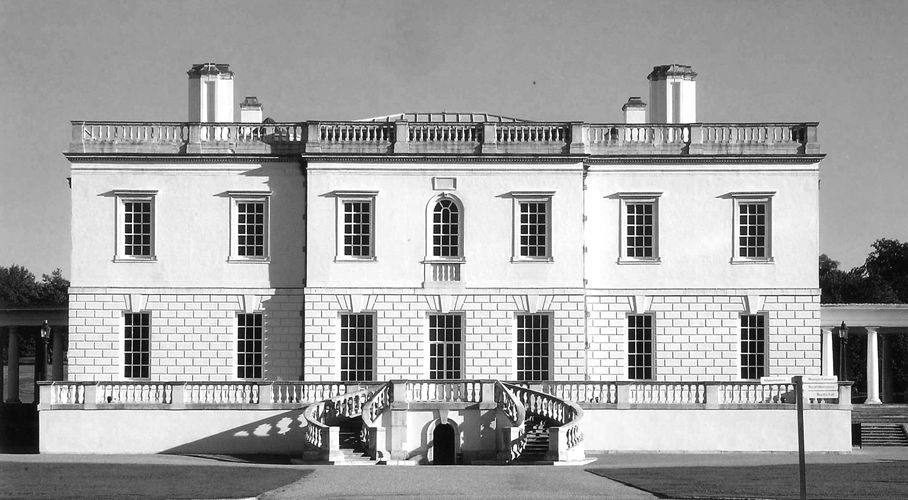
Inigo Jones: Queen’s House, London (1638)
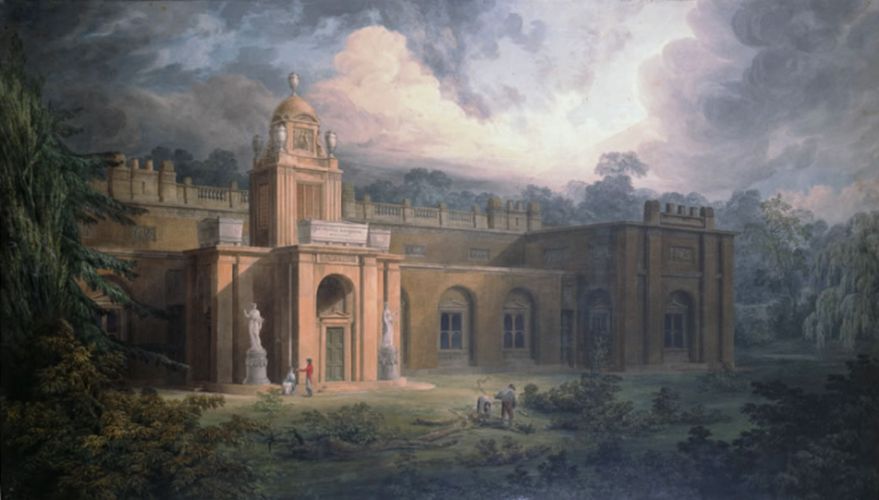
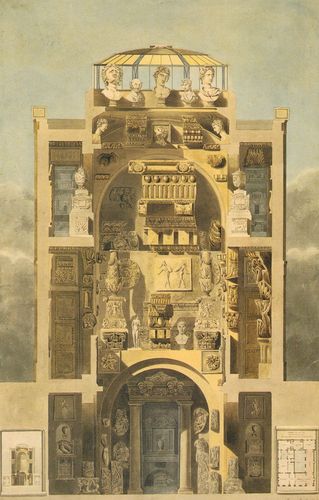
Joseph Michael Gandy: Preliminary Design by Sir John Soane for Dulwich Picture Gallery (1812)
Tony Fretton: Red House, London (2001)
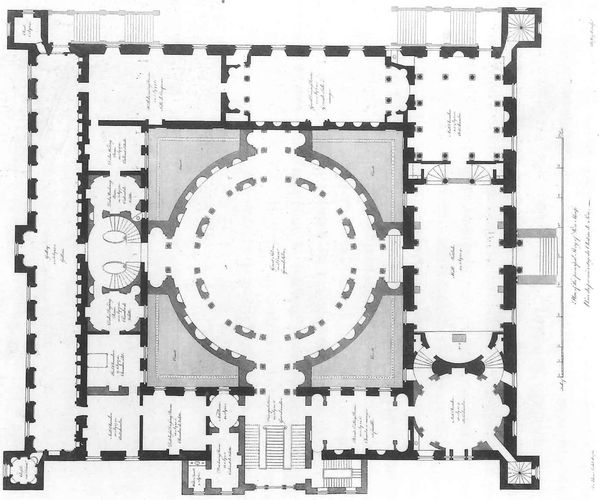
Robert Adam: Syon House, London (1762)
John Soane: John Soane Museum, London (1834)
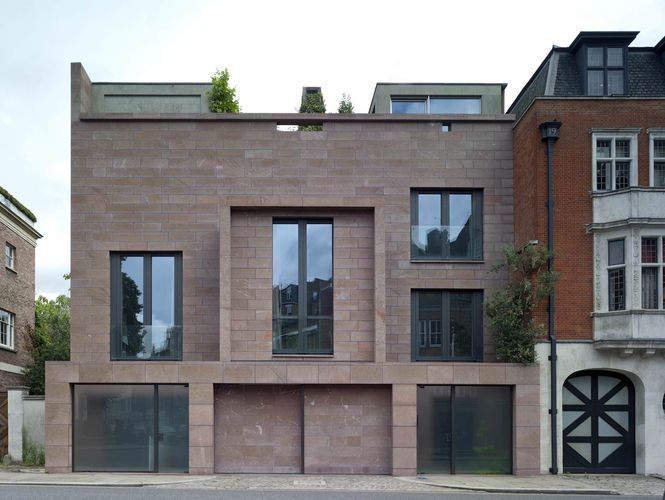
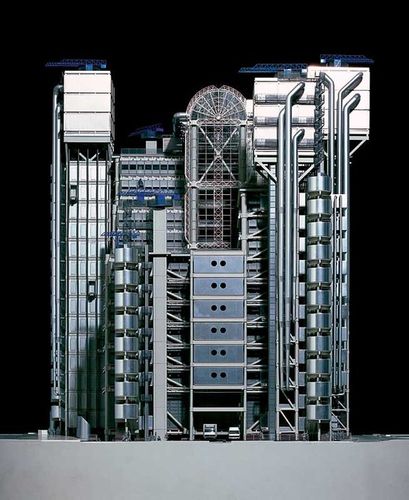
Richard Rogers: Lloyd’s Building, London (1986)
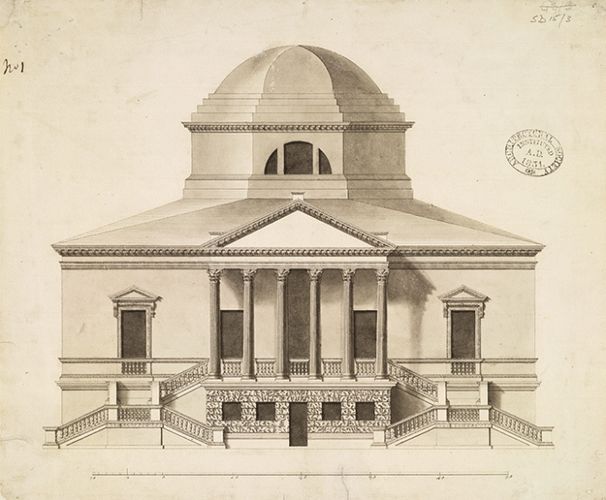
Lord Burlington: Chiswick House, London (1730)
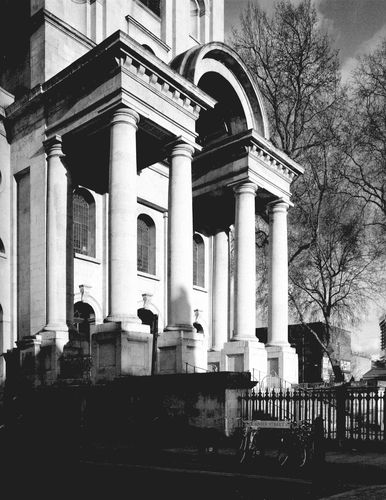
Nicholas Hawksmoor: Christ Church, Spitalfields, London (1729)
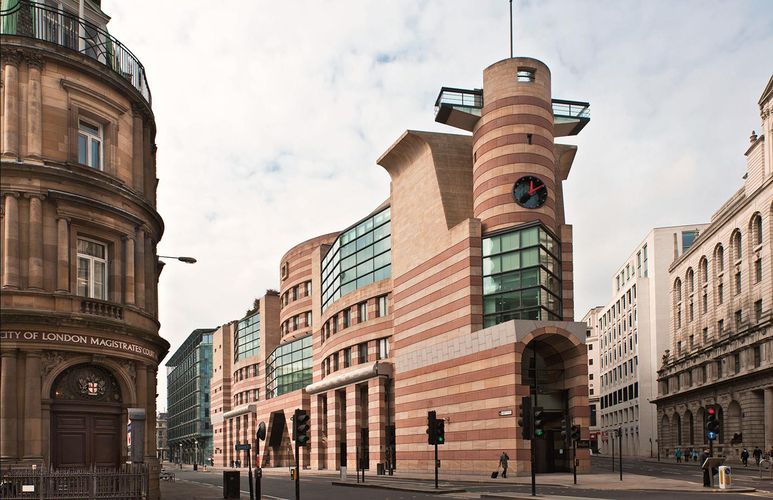
James Stirling, Michael Wilford: No 1 Poultry, London (1994)
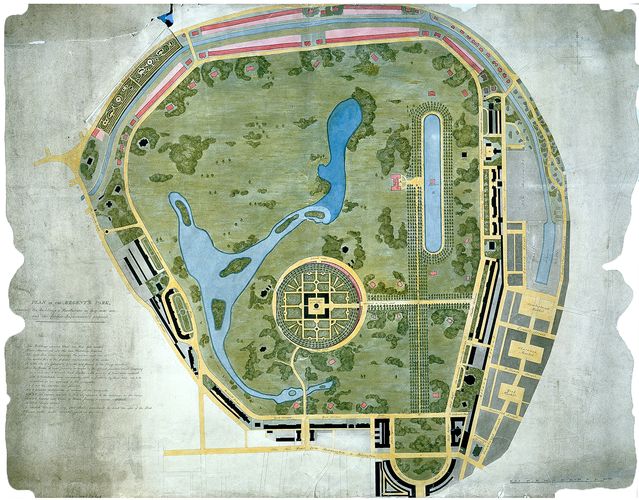
John Nash: Regent’s Park, London (1828)
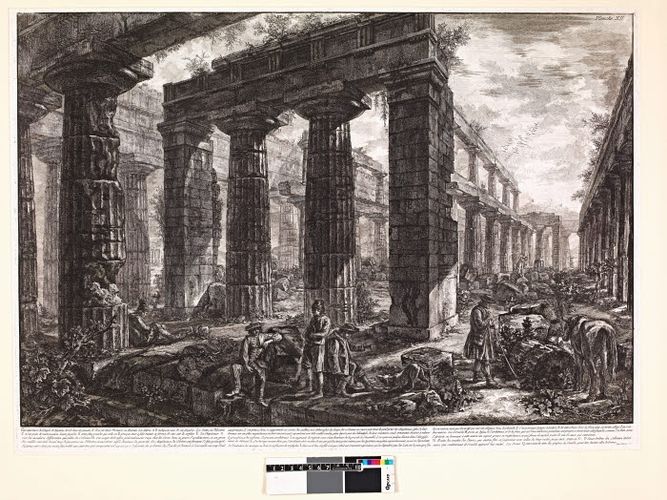
Giovanni Battista Piranesi: Views of Paestum (1778) in British Museum, London
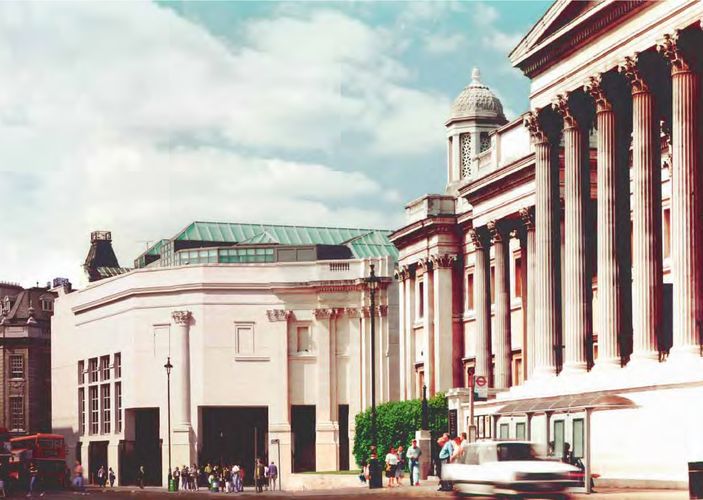
Robert Venturi, Denise Scott Brown: Sainsbury Wing, National Gallery, London (1991)
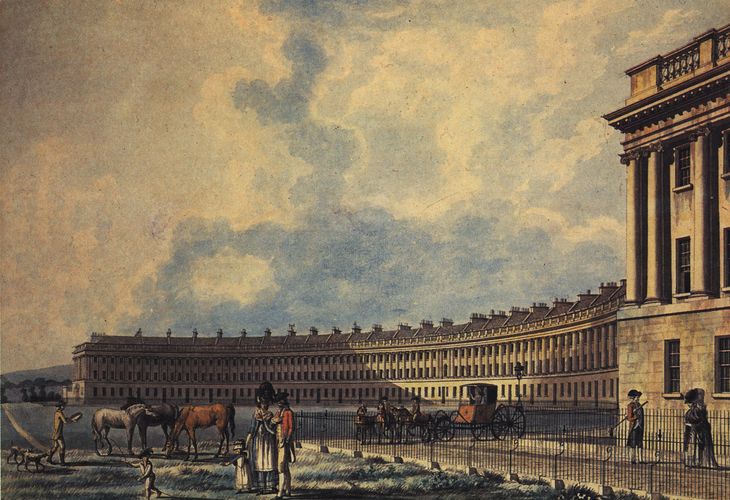
Thomas Malton: Wood’s Royal Crescent, Bath (1777)
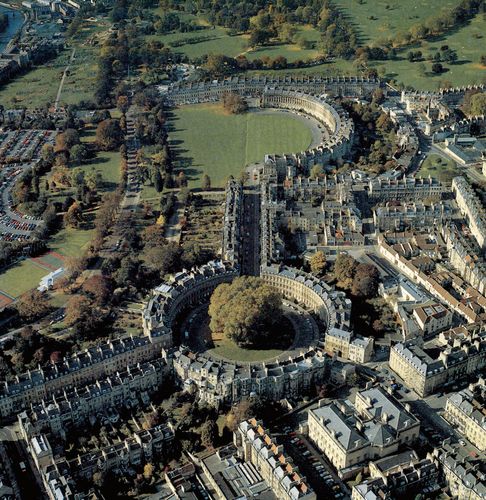
Aerial view of Royal Circus / Crescent, Bath
LECTURE
«HERZOG & DE MEURON: GEBAUTE NATUR»
Course Autumn Semester 2019
Construction III
by Christoph Gantenbein
06.11.19
HIL E 3«ALEJANDRO DE LA SOTA: NO HACER ARQUITECTURA»
Course Autumn Semester 2019
Construction III
by Christoph Gantenbein
30.10.19
HIL E 4«CARLO MOLLINO: JENSEITS DER KONSTRUKTION»
Course Autumn Semester 2019
Construction III
by Christoph Gantenbein
16.10.19
HIL E 4«AFFINITY»
Christoph Gantenbein in discussion with Gion A. Caminada
Course Spring Semester 2019
Ringvorlesung IEA
9.4.19
HIL E 1«POELZIG-ARTIG»
Eine dreiteilige Vorlesungsreihe über Hans Poelzig
Course Spring Semester 2019
Construction IV
by Emanuel Christ
3.4.19
HIL E 1«OBERFLÄCHLICH»
Eine dreiteilige Vorlesungsreihe über Hans Poelzig
Course Spring Semester 2019
Construction IV
by Emanuel Christ
27.3.19
HIL E 1«HANS POELZIG»
Lecture series on Hans Poelzig
Course Spring Semester 2019
Construction IV
by Emanuel Christ
6.3.19
HIL E 1«SERENDIPITY»
Emanuel Christ in discussion with Markus Peter on Serendipity
Course Autumn Semster 2019
Ringvorlesung IEA
27.11.18
HIL E 4RESEARCH
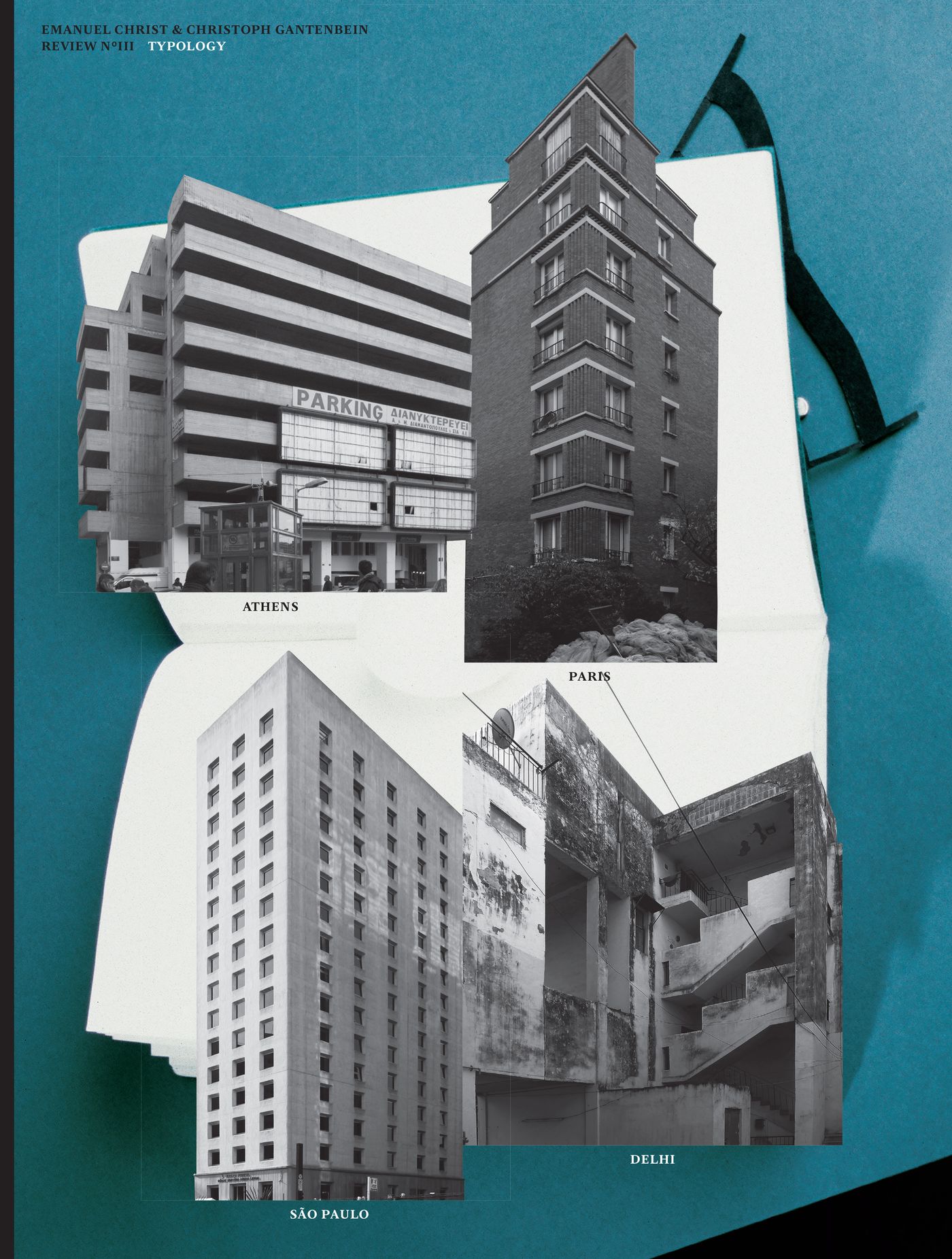
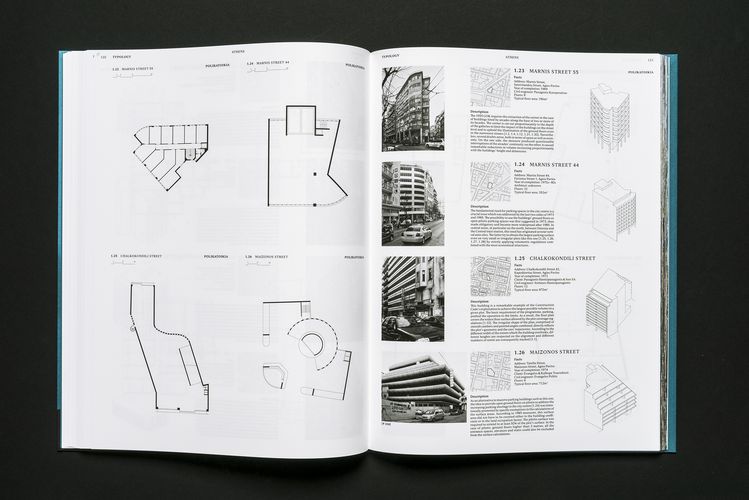
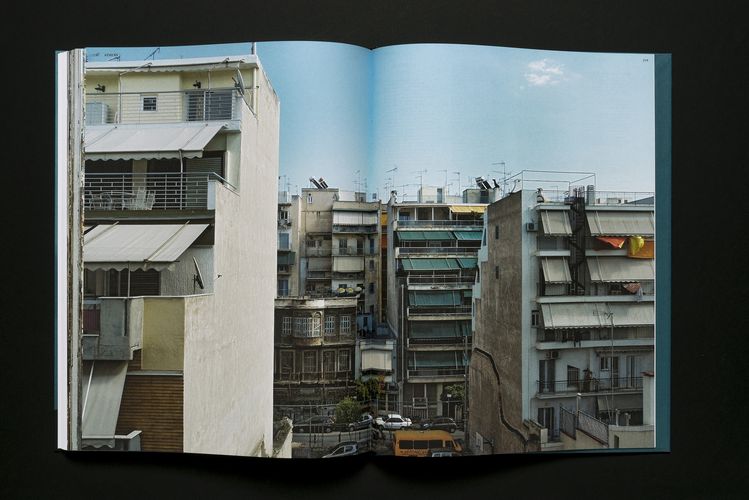
Polykatoikia Type, Athens, from “Typology – Paris, Delhi, Sao Paulo, Athens”
RESEARCH
Research at the chair encompasses different aspects, which all together aim at drawing nearer to the essence of architectural form.
An open lecture series introduces different positions on the relation between architectural form and construction: Alejandro de la Sota’s alternative vernacular Modernism, Herzog & De Meuron subversive use of material and Hans Poelzig’s elaborate construction themes generated through form. Through case studies of different projects, the development and strengthening of an architectural language is investigated, found and lost, or interpreted.
Drawing on the studio travels taken to pick a useful repertoire, the seminar weeks’ conceptual thread follows the idea of the Grand Tour. As travelling became a means of discovery accessible to a privileged few in the 17th century, the Grand Tour grew to be considered as an educational tool. How did these travellers use the information gathered on their journeys, how did they make it available and implement them in their designs? The research looks at the interpretation in order to better look at the interpreted and investigates the influence of travelling on architectural design throughout history, until today when the idea of travelling is questioned by digital mediums and ecological issues.
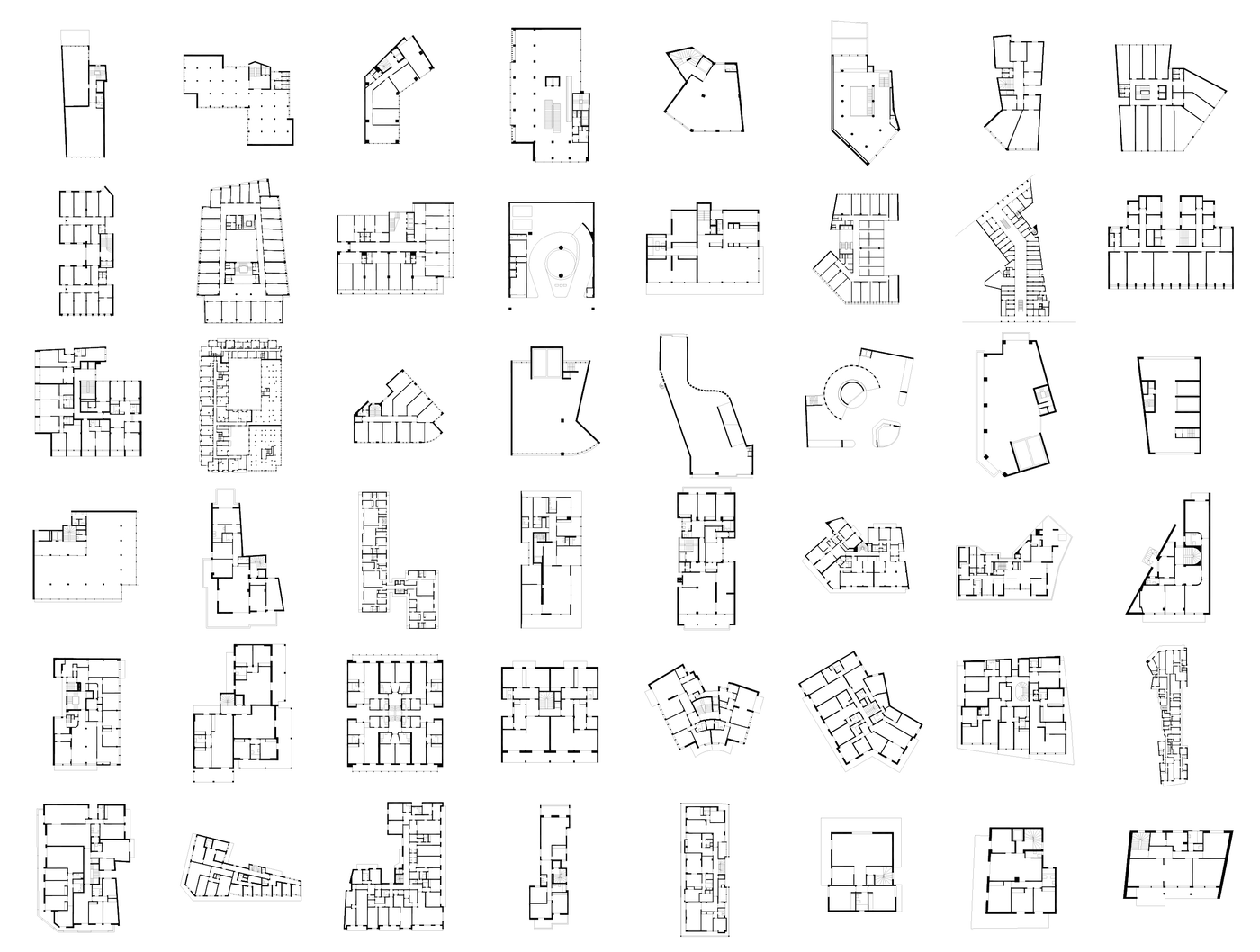
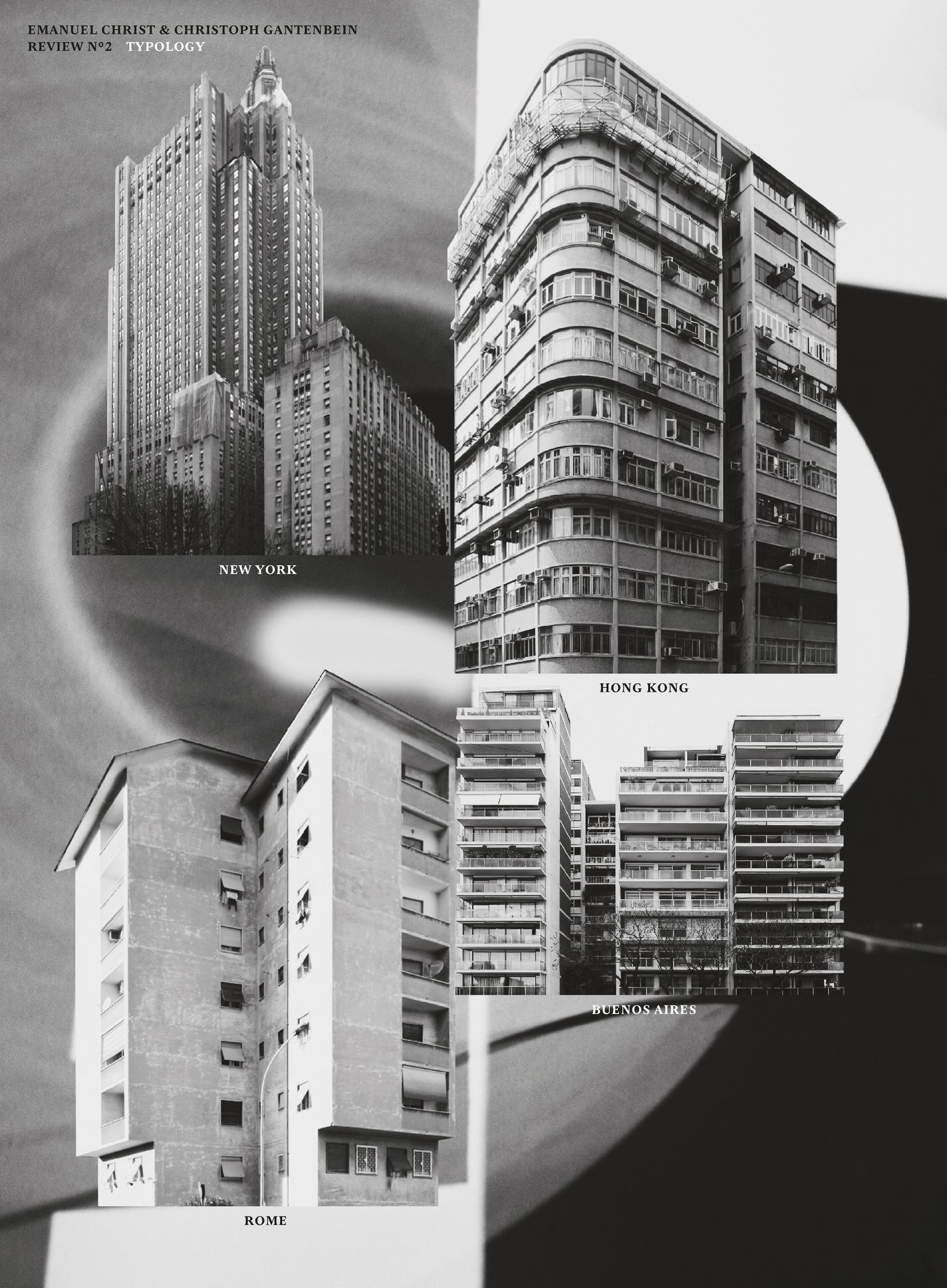
In the course of an earlier assignment at the ETH – the chair proceeded to the exposition of more than 350 buildings from eight cities (Hong Kong, Rome, New York, Buenos Aires, Paris, Delhi, Sao Paulo, Athens), classified according to their typological attributes. Making use of this bulk of documents, as well as precious knowledge on the definition of types, the history of typology and the use of types during design process, the chair is carrying on the research, through the development of an innovative teaching format.
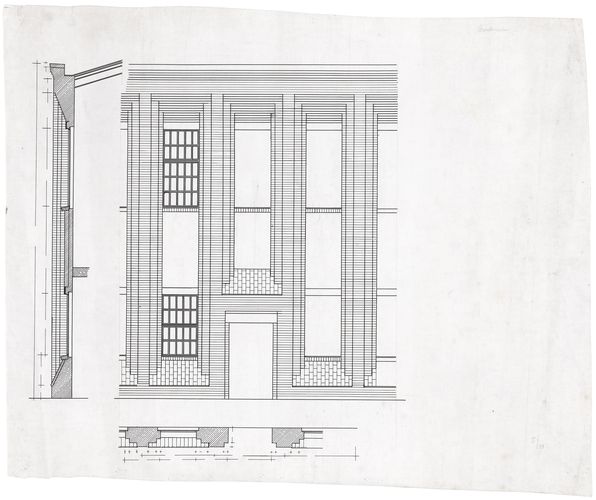
Hans Poelzig, Annagrube, Pschow (Oberschlesien), 1913-15
Machine building, Elevation and Section 1:100Pall Mall 34; Piccadilly at Hyde Park Corner; Robert and James Adam
PUBLICATION
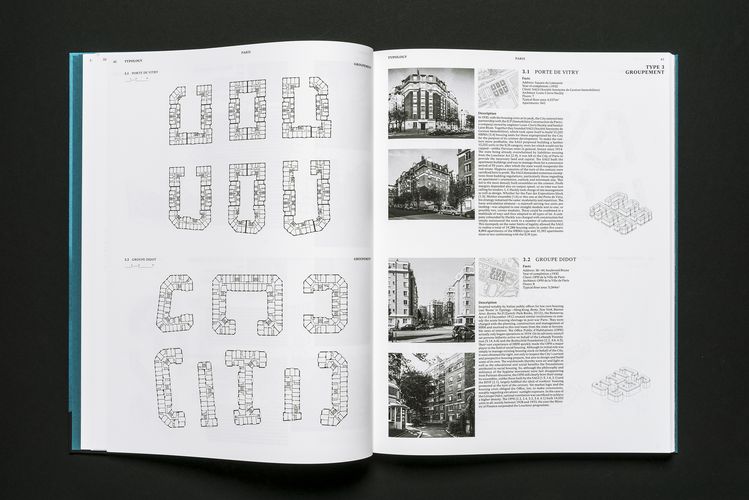
REVIEW N°II TYPOLOGY
REVIEW N°II Typology
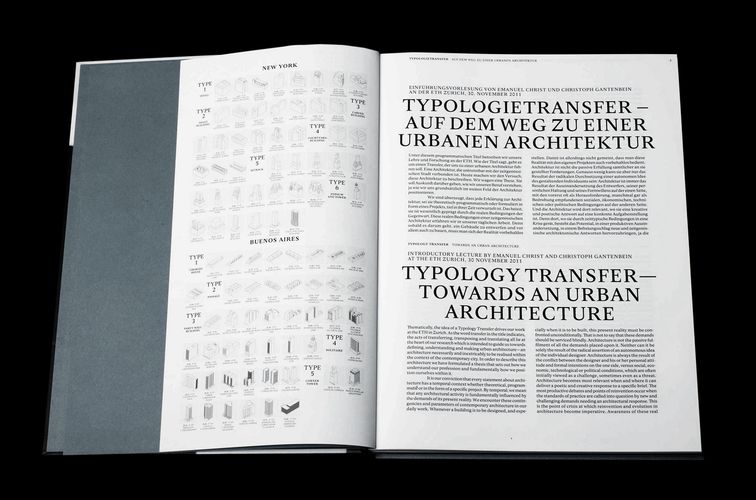
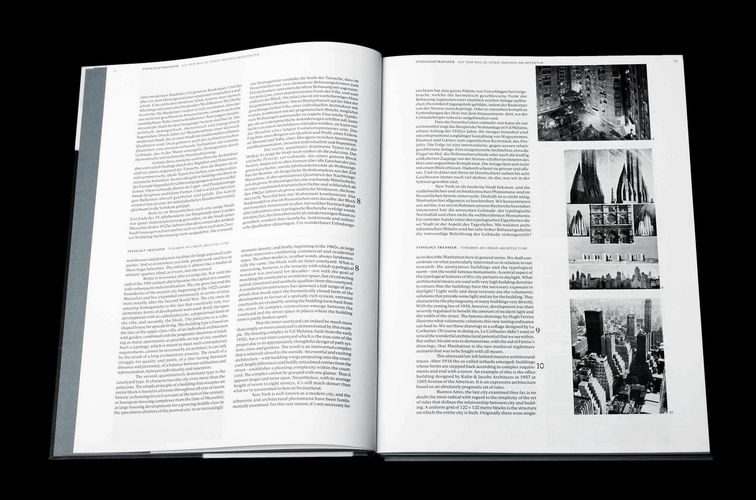
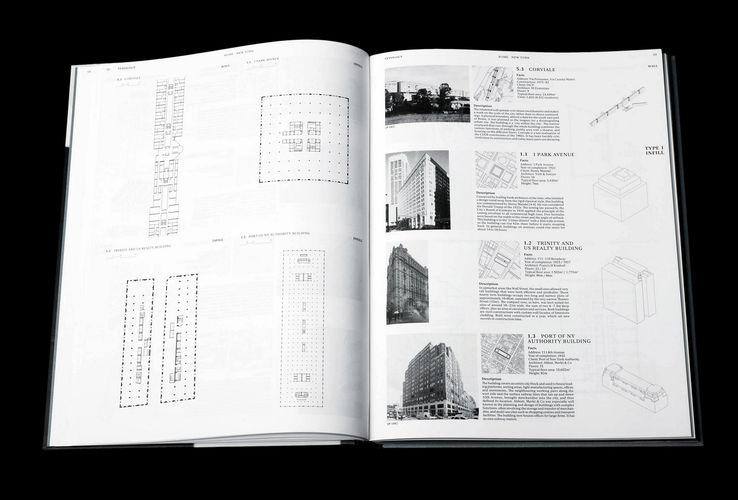
Emanuel Christ & Christoph Gantenbein, «Typology – Hong Kong, Rome, New York, Buenos Aires»
Edited by Emanuel Christ, Victoria Easton, Christoph Gantenbein, ETH Zurich
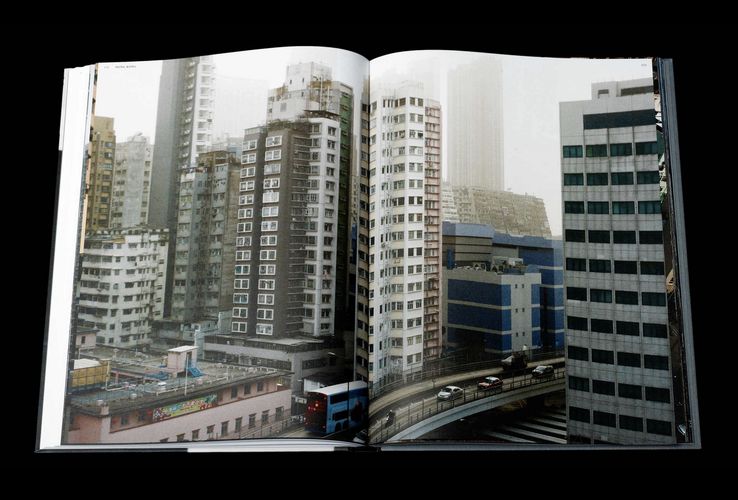
With essays by Fernando Diez, Francesco Garofalo, Carol Herselle Krinsky and Hendrik TiebenOver two years of academic research as Assistant Professors at the Swiss Federal Institute of Technology (ETH) in Zurich, Emanuel Christ, Christoph Gantenbein and their Research Team selectively analysed 160 buildings from Hong Kong, Rome, New York and Buenos Aires.
This inventory of 20th-century metropolitan and essentially ubiquitous building production represents a systematic yet subjective compilation of urban architecture.
Hardcover, 24.5 x 32.4 cm, 160 pages, English/German
Graphic design by Ludovic Balland Cabinet, Basel
Published by Park Books, Zurich
ISBN 978-3-906027-01-2
Out of Print
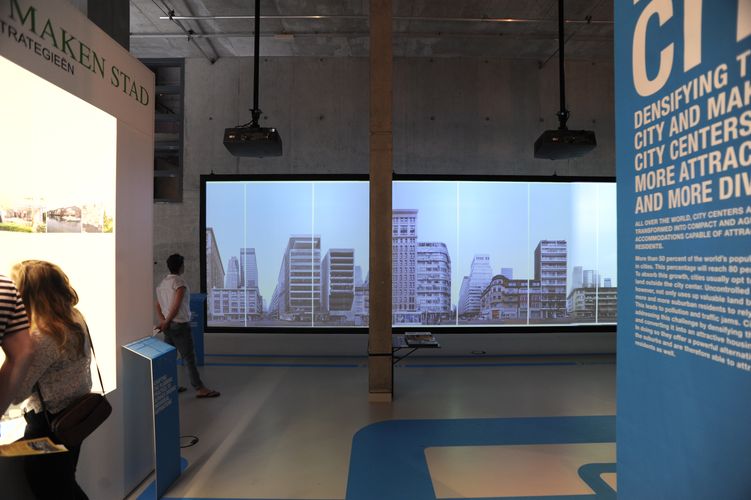
Buy the book here„Remaking Zurich“, motion picture based on the contents of „Typology“. Contribution to the IABR (International Architecturel Biennale Rotterdam) in 2012
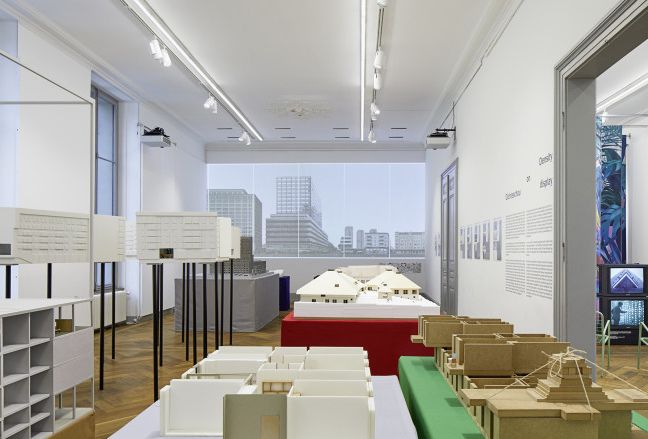
„Remaking Zurich“, motion picture based on the contents of „Typology“. Contribution to the exhibition „Dichtelust“ at the Swiss Architecture Musuem Basel in 2019
REVIEW N°III TYPOLOGY
REVIEW N°III Typology
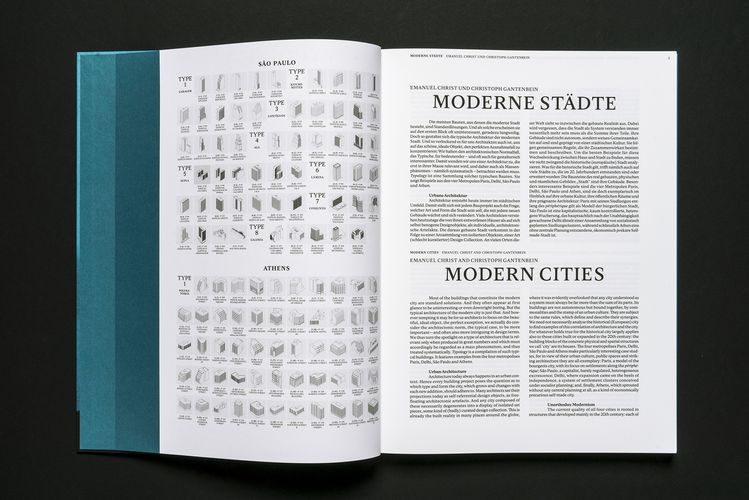
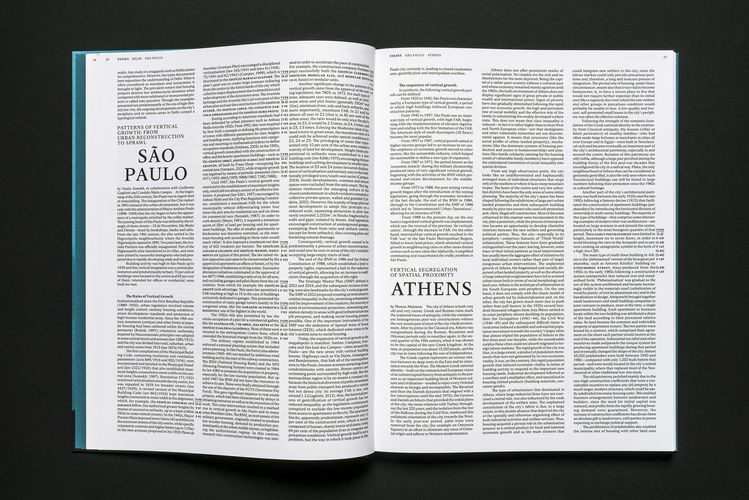
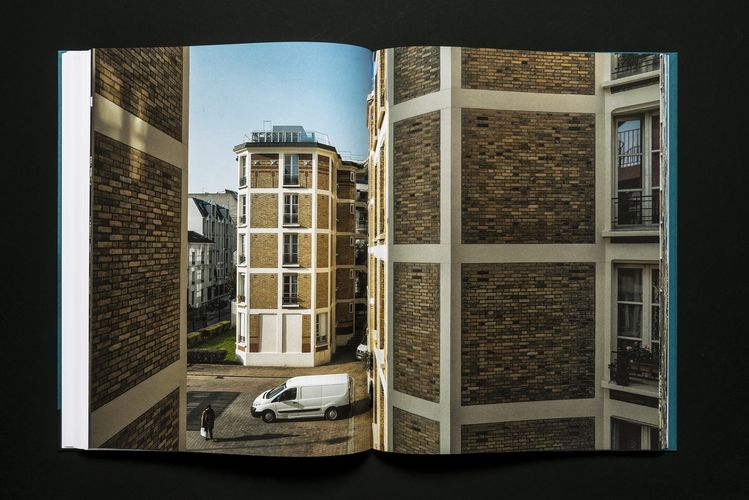
Emanuel Christ & Christoph Gantenbein, «Typology – Paris, Delhi, São Paulo, Athens»
Edited by Emanuel Christ, Victoria Easton, Christoph Gantenbein, Cloé Gattigo, ETH Zurich
With essays by Anupam Bansal, Emanuel Christ, Christoph Gantenbein, André Lortie, Thomas Maloutas, Rafael Moneo, and Nadia SomekhFollowing-up on the preceding “Typology: Hong Kong, Rome, New York, Buenos Aires” published in 2012, the chair expanded its research on building typology to four more metropolises, again in Europe, Latin America, and Asia.
180 buildings were analyzed and documented with an image, site and floor plans, axonometric projection, key data, and a brief description. An introduction and four essays on the interaction between various protagonists and in particular the effect of governing local building regulation show the potential for contemporary urban architecture. The result is a rich sourcebook of great practical value for students, lecturers and practitioners of architecture.
Hardcover, 24.5 x 32.4 cm, 160 pages, English/German
Graphic design by Ludovic Balland Cabinet, Basel
Published by Park Books, Zurich
ISBN 978-3-906027-01-2
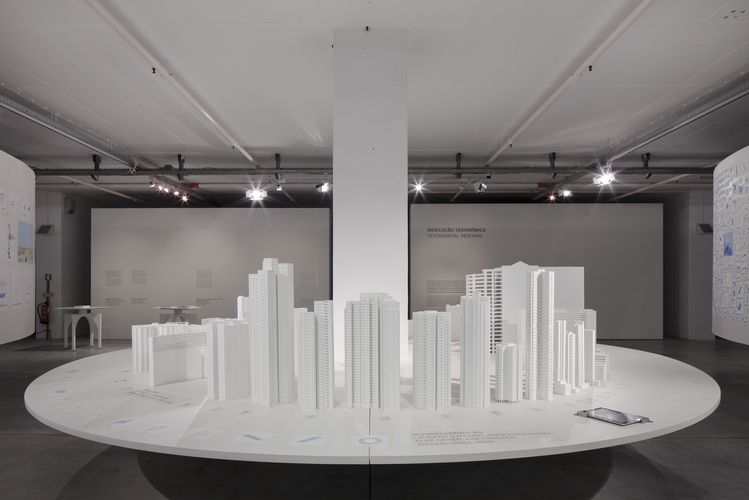
Out of PrintModels and „Typology“ books featured in the 4th Architecture Triennale Lisbon, 2016
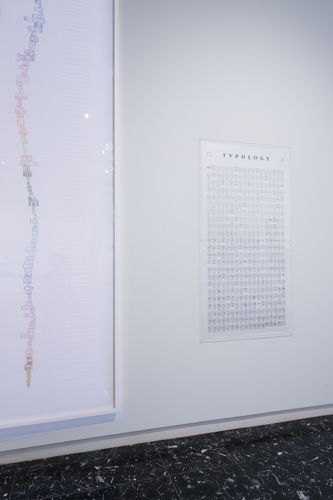
© Tiago Casanova„Typology“ poster featured in „Architectural Ethnography“, Japanese Pavilion, 16th Venice
Architecture Biennale, 2018
© Simona FerrariHONG KONG TYPOLOGY
HONG KONG TYPOLOGY:
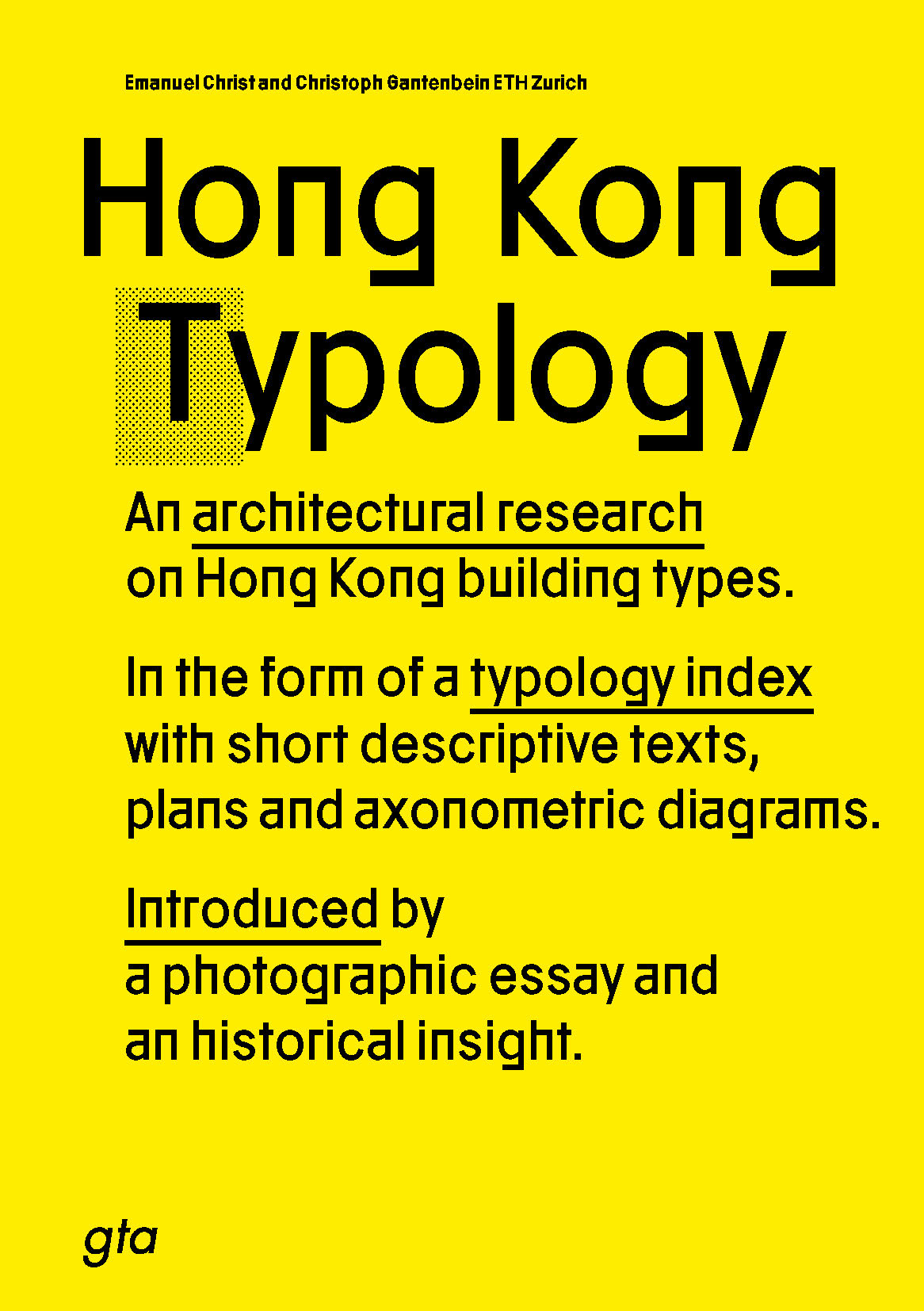
AN ARCHITECTURAL RESEARCH ON HONG KONG BUILDING TYPESBy Emanuel Christ, Christoph Gantenbein, ETH Zurich
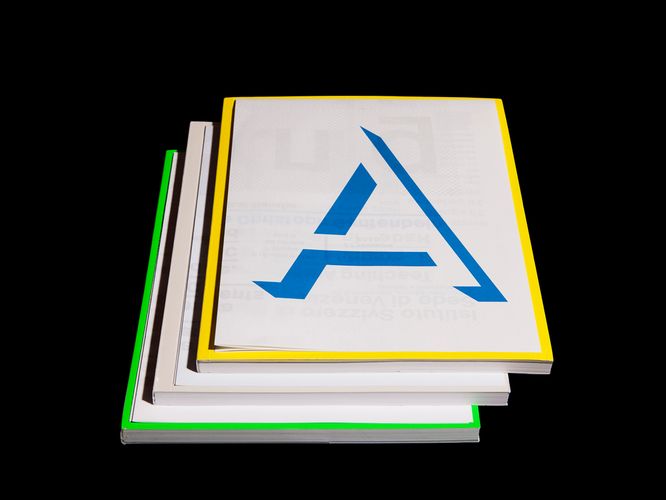
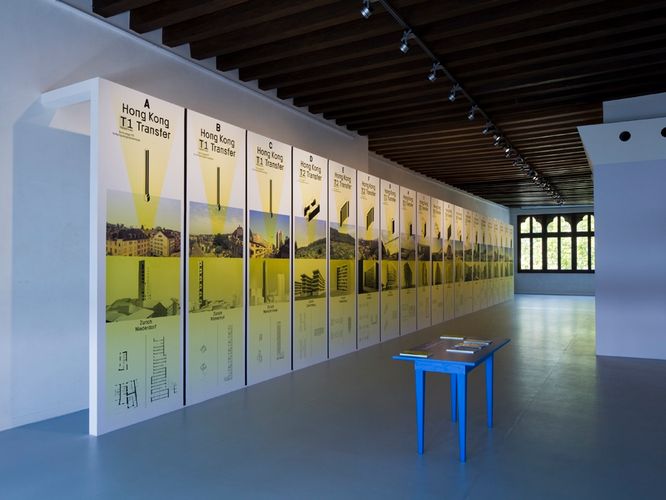
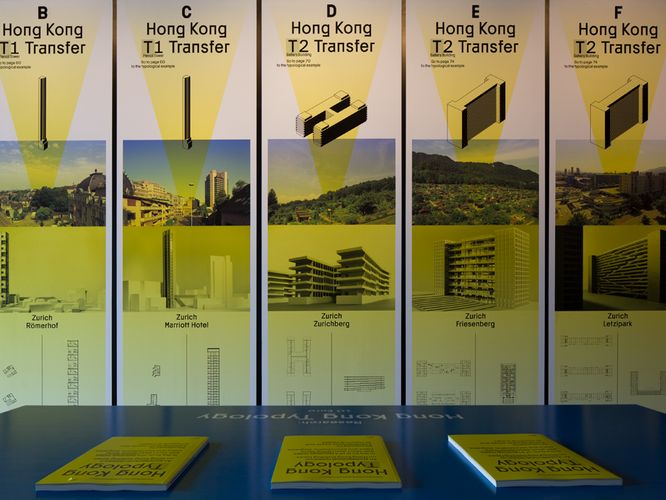
With essays by Emanuel Christ, Christoph Gantenbein, Nele Dechmann and Hendrik TiebenPublished on the occasion of the exhibition “Hong Kong in Zurich: A Typological Transfer” at the Istituto Svizzero, Venice, part of the series Teaching Architecture: 3 Positions Made in Switzerland.
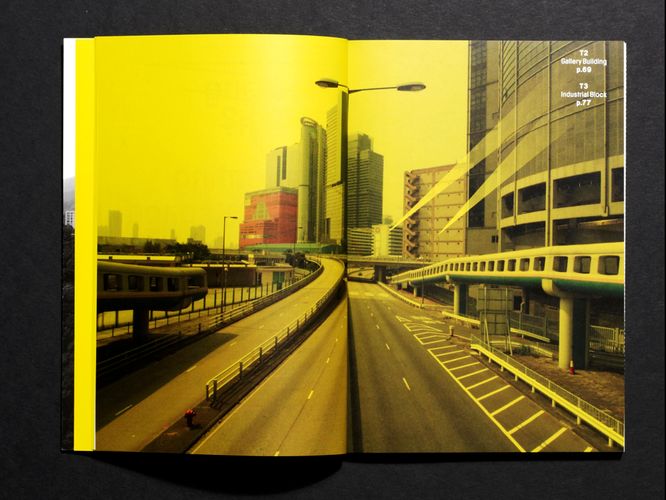
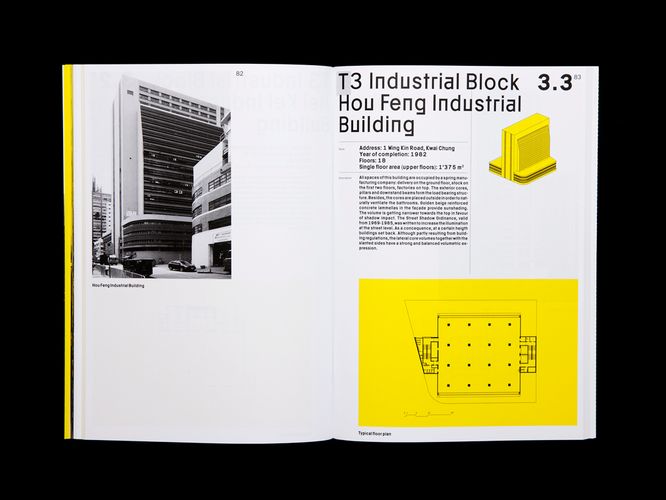
Nowhere do buildings express density better than in Hong Kong. Beyond the fascination with global urban phenomena or romantic patchwork-like images, it is by understanding its built fabric and analysing its architectural legacy that we can begin to grasp its manifest beauty. In Hong Kong, the immediacy of the need for both living and working environments produces pragmatic and radical answers to the lack of space, which all have a strong architectural consequence. This very precise development of new typologies hides a mannerist precision behind an unadorned bare aspect. Hong Kong Typology presents a thorough study and a precise selection of Hong Kong’s relevant building types of the 20th century. As an approach to its multifaceted collection of buildings, 36 case studies were classified in seven different categories and illustrated with photo, floor plan and axon.
150 x 210 x 10mm
Graphic design by Ludovic Balland Cabinet, Basel
Honorary Mention at Most Beautiful Swiss Books 2010
Published by gta Verlag, Zurich
ISBN 978-3-85676-287-2
Out of Print“Hong Kong in Zurich: A Typological Transfer” at the Istituto Svizzero, Venice, part of the series Teaching Architecture: 3 Positions Made in Switzerland, 2010
“Hong Kong in Zurich: A Typological Transfer” at the Istituto Svizzero, Venice, part of the series Teaching Architecture: 3 Positions Made in Switzerland, 2010
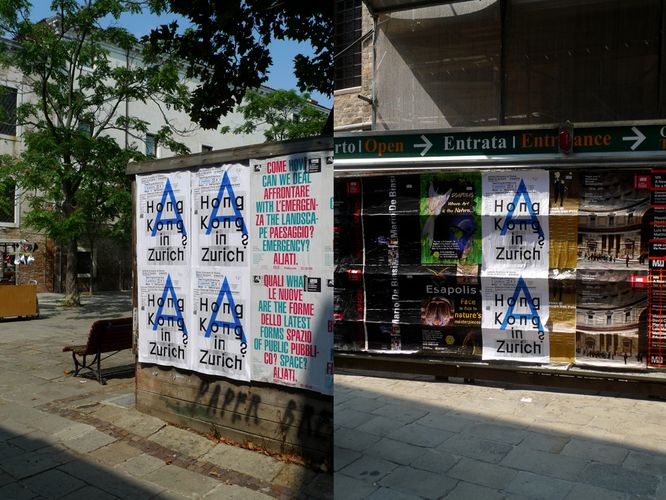
Poster “Hong Kong in Zurich: A Typological Transfer”, Venice, 2010
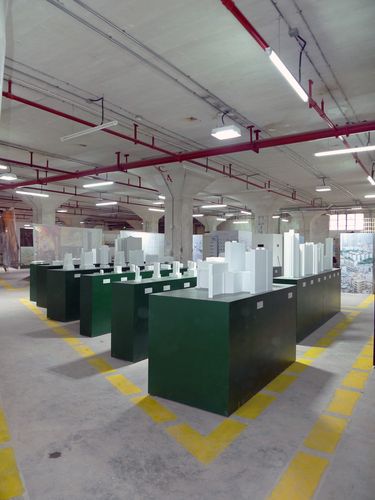
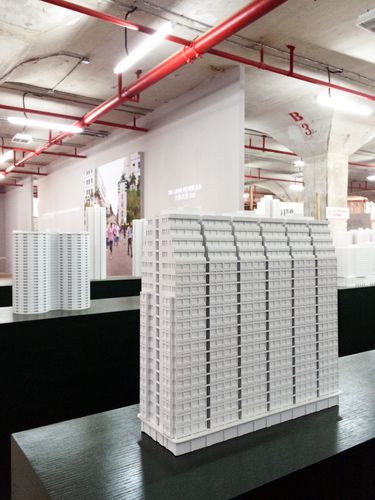
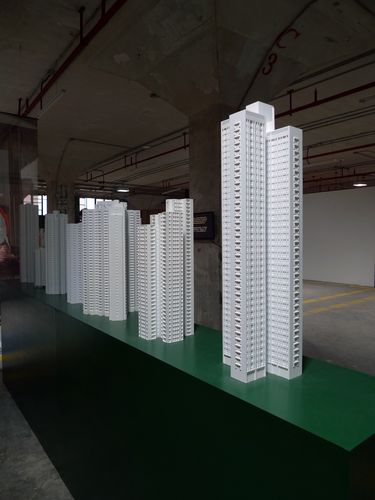
Models of Hong Kong buildings featured in the UABB, Bi-City Biennale Of Urbanism/Architecture, Shenzhen, 2015
Models of Hong Kong buildings featured in the UABB, Bi-City Biennale Of Urbanism/Architecture, Shenzhen, 2015
Models of Hong Kong buildings featured in the UABB, Bi-City Biennale Of Urbanism/Architecture, Shenzhen, 2015
TYPOLOGY APP
TYPOLOGY CITY GUIDES
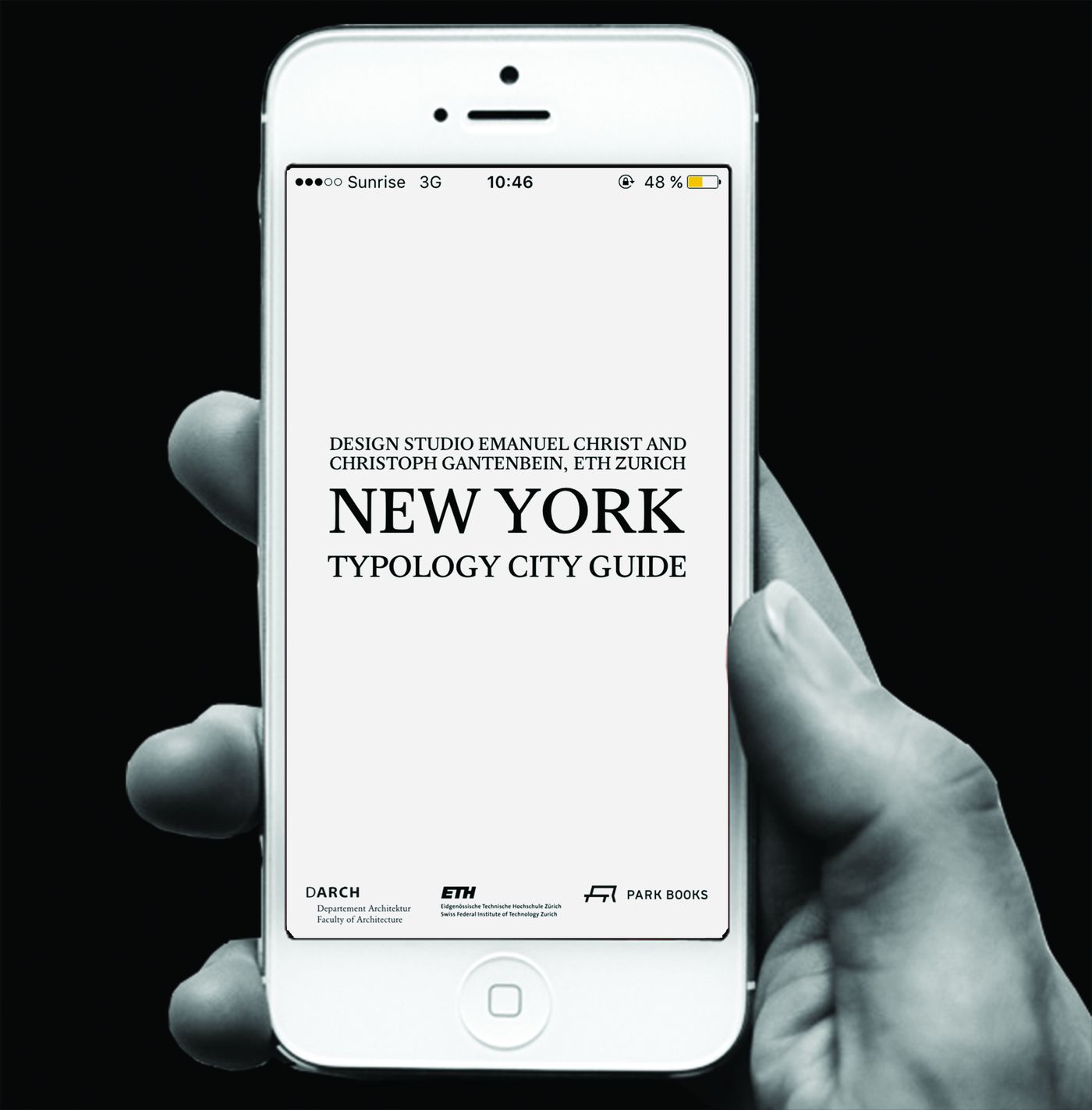
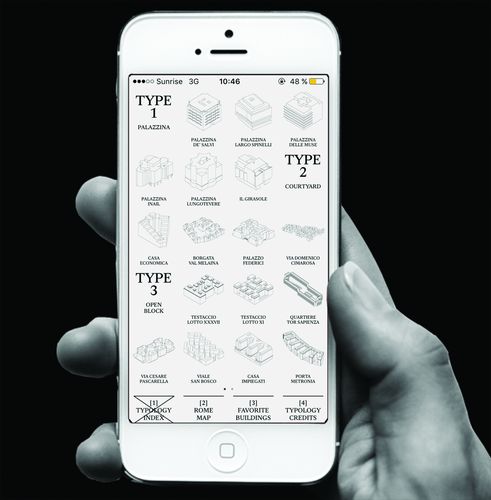
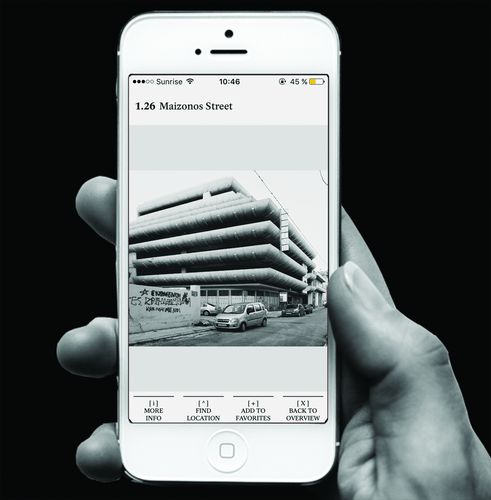
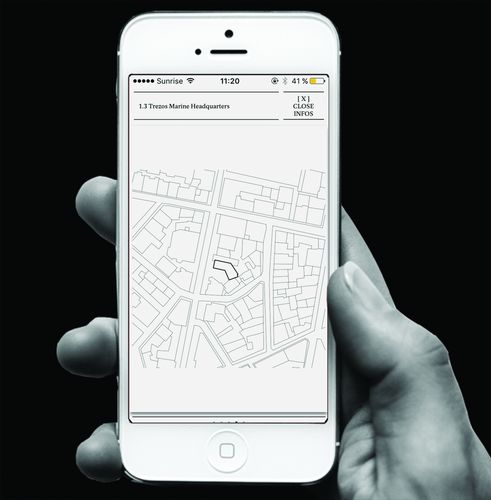
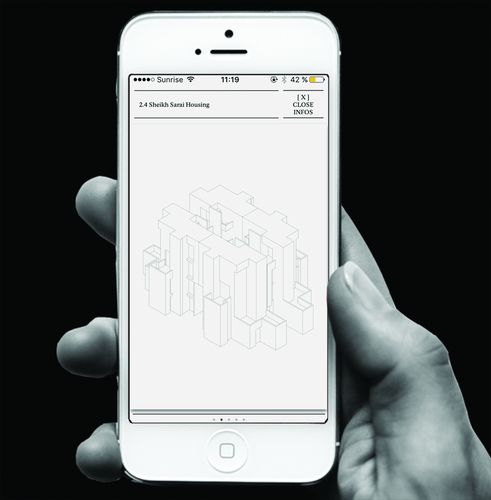
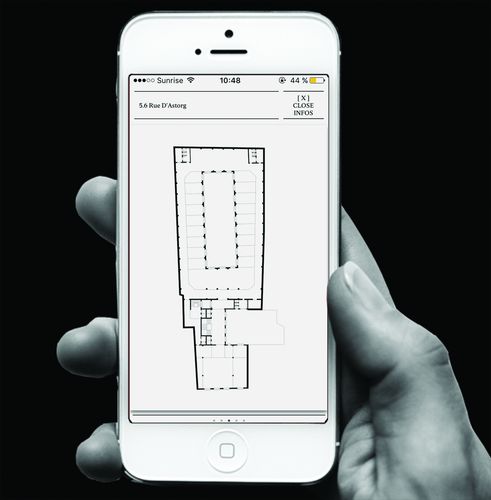
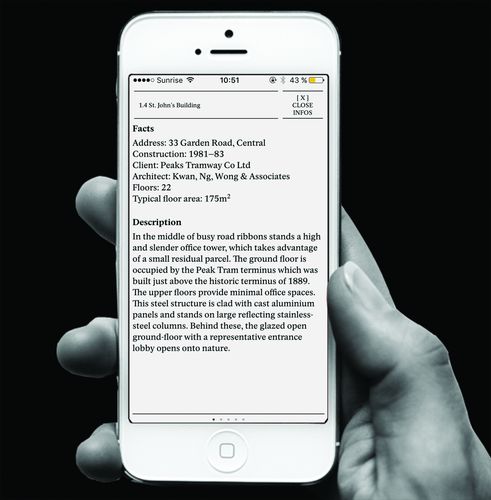
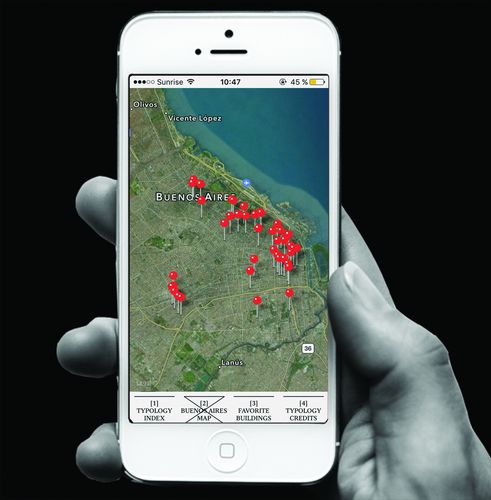
HONG KONG, ROME, NEW YORK, BUENOS AIRES, PARIS, DELHI, SAO PAULO, ATHENSTypology City Guides are unique tools to discover the underlying rules of these fascinating cities. Developed by Christ & Gantenbein at the ETH Zürich, these Applications are free to download on the App Store and Google Play (only Hong Kong). In each App, more than 40 buildings are documented with floor plans, axonometric drawings, facts and located on google map.
This inventory of 20th century metropolitan and essentially ubiquitous architecture represents a systematic yet subjective compilation of urban architecture around the world. The buildings, many relatively unknown, were chosen in order to provide a basis for looking at metropolitan design in the twentieth century, comparing the patterns and differences in building styles found around the world.
App Features:
- Building Index
- Map of All Locations
- Favorite Building List
- Contact Info
Each Typology comes with:
- vital statistics: address, date of completion, architect, number of floors
- description of context & history
- floor plans & axonometric drawings
- photos
- map locator
- interesting buildings nearby
Developed by chair Emanuel Christ and Christoph Gantenbein
Graphic Design Ludovic Balland
Programming Balz Rittmeyer
Applications are currently in actualization processFOLIANT
FOLIANT
The Foliant is a collection of 108 drawings produced by the students in the Fall Semester 2018. It is structured in analogy to the semester in three parts: Portrait, Body and Type. The collection is currently under editing and should be published soon.
210 x 420mm, 112 pages
Graphic design by Studio Marie Lusa
CONTACT
ADDRESS
Emanuel Christ & Christoph Gantenbein
Professur für Architektur und Entwurf
ETH Zürich
Departement Architektur
HIL H 47
Stefano-Franscini-Platz 5
8093 Zürich HönggerbergTEAM
Emanuel Christ
FORMER COLLABORATORS
Prof., dipl. Arch. ETH SIA BSA
2018 – Full Professor of Architecture and Design at ETH Zürich
2015 – 2017 Visiting Professor at Harvard GSD
2010 – 2015 Assistant Professor at ETH Zurich
2009/2006 Guest lecturer at Accademia di Architettura Mendrisio
2008 Guest lecturer at Oslo School of Architecture and Design
2005 Guest lecturer at Robert Gordon University Aberdeen
2000 – 2005 Head of Teaching at ETH Studio Basel
2002 – 2003 Guest lecturer at Hochschule für Kunst und Gestaltung (HGK), Basel
1999 Travel scholarship to Italy of the Schindler-Stiftung Zurich
1998 Architecture firm in joint partnership with Christoph Gantenbein
1998 Diploma of architecture at ETH Zurich with Prof. Hans Kollhoff
1991 – 1998 Student of architecture at ETH Zurich, EPF Lausanne and at HdK Berlin
1970 Born in Basel, Switzerland
Christoph Gantenbein
Prof., dipl. Arch. ETH SIA BSA
2018 – Full Professor of Architecture and Design at ETH Zürich
2015 – 2017 Visiting Professor at Harvard GSD
2010 – 2015 Assistant Professor at ETH Zurich
2009/2006/2004 Guest lecturer at Accademia di Architettura Mendrisio
2008 Guest lecturer at Oslo School of Architecture and Design
2008 – Member of managing board SIA Basel
2002 – 2003 Guest lecturer at Hochschule für Gestaltung und Kunst (HGK), Basel
2000 – 2002 Assistant Designer to Axel Fickert at ETH Zurich
1999 Travel scholarship to Italy of the Schindler–Stiftung Zurich
1998 Architecture firm in joint partnership with Emanuel Christ
1998 Diploma of architecture at ETH Zurich with Prof. Hans Kollhoff
1991 – 1998 Student of architecture at ETH Zurich
1971 Born in St. Gallen, Switzerland
Julien Bellot
MSc. Arch. ETH
2018 – Scientific Assistant at the Chair of Emanuel Christ and Christoph Gantenbein at ETH Zurich
2018 – Independent activity as an architect, Zurich
2017 – 2018 Architect at Smolenicky & Partner Architektur, Zurich
2017 Master thesis with Prof. Adam Caruso at ETH Zurich
2015 Architect at Éric Lapierre Architecture, Paris
2014 Master‘s studies in architecture at ETH Zurich and ENSA Paris la Villette
2012 – 2013 Collaborator at Smolenicky & Partner Architektur, Zurich
2010 Bachelor‘s studies in architecture at ETH Zurich
1990 Born in Zurich, Switzerland
Victoria Easton
MSc. Arch. ETH
2018 – Scientific Collaborator at the Chair of Emanuel Christ and Christoph Gantenbein at ETH Zurich
2017 – Member of the Swiss Federal Art Commission
2012 – Associate at Christ & Gantenbein, Basel
2010 – 2015 Scientific Assistant at the Chair of Emanuel Christ and Christoph Gantenbein, ETH Zurich
2008 – 2009 Scientific Assistant to visiting professor Jean-Paul Jaccaud, EPF Lausanne
2005 – 2008 Architect at Christ & Gantenbein, Basel
2005 Architect at Christian Penzel Architekt, Zurich
2005 Diploma of Architecture at ETH Zurich with Prof. Peter Märkli
1999 – 2005 Student of architecture at EPFL Lausanne and ETH Zurich
1981 Born in Lausanne, Switzerland
Tina Küng
MSc. Arch. ETH
2018 – Teaching Assistant at the Chair of Emanuel Christ und Christoph Gantenbein at ETH Zurich
2016 – Founder of DU STUDIO, Zurich with Steffen Hägele
2014 – Independent activity in Zurich
2013 Collaborator at Go Hasegawa & Associates, Tokyo
2013 Research stay in Sao Paulo/ Tokyo: „Repertoire of Public“
2012 Collaborator at pool Architekten, Zurich
2011 Master thesis with Prof. E.Christ und C.Gantenbein, ETH Zurich
2009 Master’s studies in architecture at ETH Zurich
2005 Bachelor‘s studies in architecture at ETH Zurich
1986 Born in Lucerne, Switzerland
Meng Li
MArch I AP GSD Harvard
2018 – Teaching Assistant at the Chair of Emanuel Christ und Christoph Gantenbein at ETH Zurich
2018 Founder of Studio Pararaum
2017 – 2018 Collaborator at Diener & Diener Architekten, Basel
2015 – 2017 Collaborator at Studio Olafur Eliasson, Berlin
2015 Collaborator at Prof. Hans Kollhoff Architekten, Berlin
2015 Master thesis with Prof. Mach Scogin at GSD Harvard 2014 Master‘s studies in architecture at ETH Zürich (student exchange)
2012 Master‘s studies in architecture st GSD Harvard
2011 Collaborator at Valerio Olgiati, Flims
2007 Bachelor‘s studies in architecture at McGill University, Montreal
1987 Born in Tianjin, China
Christian Portmann
MSc. Arch. ETH
2018 – Teaching Assistant at the Chair of Emanuel Christ und Christoph Gantenbein at ETH Zurich
2018 – Independent activity, Zurich
2016 – 2017 Architect at Christ & Gantenbein, Basel
2015 – 2016 Teaching Assistant at the Chair of Emanuel Christ und Christoph Gantenbein at ETH Zurich
2015 Master thesis with Prof. Dr. Marc Angélil at ETH Zurich
2014 Internship at Conen Sigl Architekten, Zurich
2011 Master‘s studies in architecture at ETH Zurich
2008 Bachelor‘s studies in architecture at ETH Zurich
1987 Born in Wettingen, Switzerland
Nicolas Rothenbühler
MSc. Arch. ETH
2018 – Teaching Assistant at the Chair of Emanuel Christ und Christoph Gantenbein at ETH Zurich
2018 Winner of Swiss Art Award, with TEN.as
2017 – MAS Fine Arts at ZHDK Zurich
2015 – 2018 Collaborator at Schneider Studer Primas, Zurich
2015 – Member of TEN (TEN.as), Zurich
2015 Collaborator at Christian Kerez, Zurich
2014 – 2016 Collaborator at Park Architekten, Zurich
2012 Master thesis with Prof. Peter Märkli at ETH Zurich
2009 – 2012 Student Assistant to chair for Theory of Architecture of Prof. Dr. Akos Moravanszky at ETH Zurich
2006 Bachelor‘s studies in architecture at ETH Zurich
1985 Born in Bern, Switzerland
Julia Tobler
Dipl. Arch. ETH
2018 – Teaching Assistant at the Chair of Emanuel Christ und Christoph Gantenbein at ETH Zurich
2017 – Richter Tobler Architekten, Basel
2007 – 2016 Associate at Christ & Gantenbein, Basel
2004 – 2016 Architect at Christ & Gantenbein, Basel
2003 Diploma at ETH Zurich
1999 Internship at Staufer & Hasler Architects, Frauenfeld
1997 – 2003 Architecture studies at the ETH Zurich
1977 Born in Frauenfeld, Switzerland
Léonie Zelger
MSc. Arch. ETH
2018 – Teaching Assistant at the Chair of Emanuel Christ and Christoph Gantenbein at ETH Zurich
2016 – Independent activity, Zurich
2016 – 2017 Postgraduate in Sound Art, KASK Ghent and ENSATT Lyon
2009 – 2016 Architect at pool Architekten, Zurich
2009 Master thesis with Prof. Dr. Peter Märkli, ETH Zurich
2007 Internship at Conen Sigl Architekten, Zurich
2007 Master‘s exchange studies in architecture, KTH Stockholm
2006 Master‘s studies in architecture, ETH Zurich
2006 Internships at Metro arquitetos and Pedro Mendes da Rocha, Sao Paulo
2005 Internship at City Department for Architecture, Geneva
2003 Bachelor‘s studies in architecture, ETH Zurich
1984 Born in Geneva, Switzerland
Stefano Zeni
MSc. Arch. IUAV
2019 – Teaching Assistant at the Chair of Emanuel Christ und Christoph Gantenbein at ETH Zurich
2018 – Independent activity, Zurich
2016 – 2017 Architect at Jan Kinsbergen Architekt, Zürich
2016 Architect at De Vylder Vinck Taillieu, Ghent
2015 Architect at Baukunst, Brussels
2014 Overseas Program at Escola da Cidade São Paulo
2012 Master‘s studies in architecture at IUAV Venice
2012 Internship at 2a+p/a, Rome
2008 Bachelor‘s degree in architecture at IUAV Venice
1987 Born in Cavalese, Italy
Francesco Zorzi
MSc. Arch. Politecnico di Milano
2018 – Teaching Assistant at the Chair of Emanuel Christ und Christoph Gantenbein at ETH Zurich
2014 – Founder of Raumplan (raumplan.info), Milan
2017 Architect at Matei Manaila Architekten, Zurich
2016 Architect and Researcher at l’AUC, Paris
2015 Academic Assistant at the Chair of History of Architecture of Marco Biraghi at Politecnico di Milano
2014 Academic Assistant at the Chair of Architectural Design of Fabio Alessandro Fuscoat at Politecnico di Milano
2014 Researcher at OfficeUS, American Pavillion of the 14th Architectural Biennale
2011 – 2015 Architect at Salottobuono, Milan
2015 Master‘s degree in architecture at Politecnico di Milano
2011 – 2012 Collaborator at San Rocco Magazine, Milan
2011 Bachelor‘s degree in architecture at IUAV Venezia
1989 Born in Cavalese, ItalyFrancesco Zorzi
WEBSITE
Graphic design by Studio Marie Lusa
Programming by Computed·By